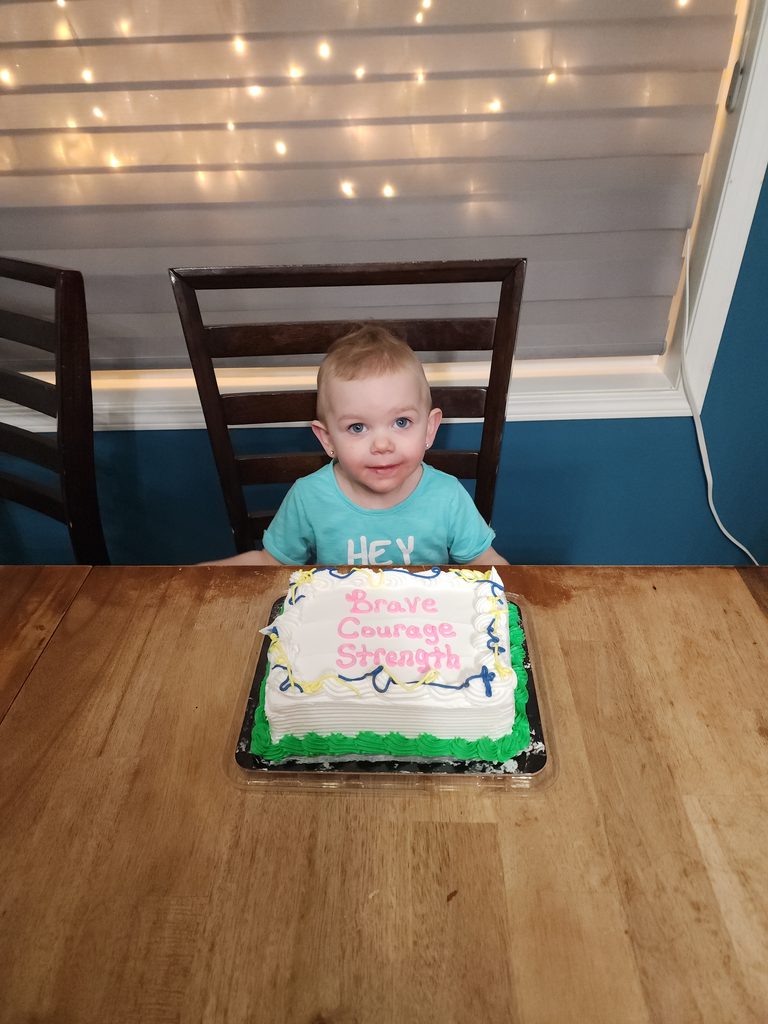
Our Cancer Journey started just after Hollis’s first birthday.
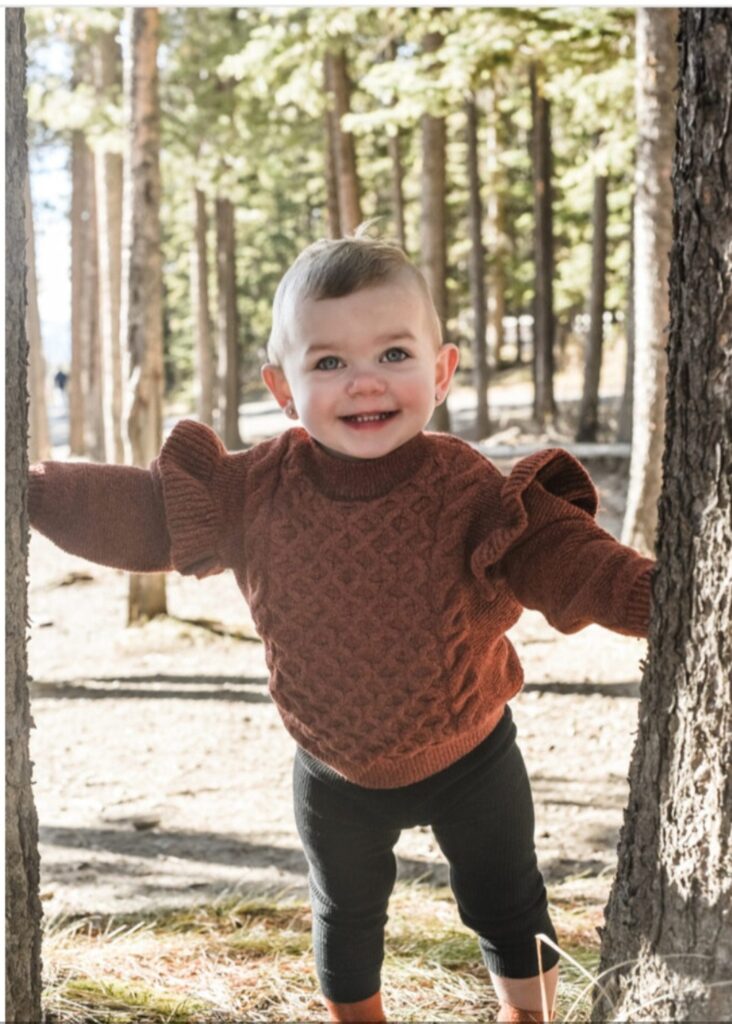
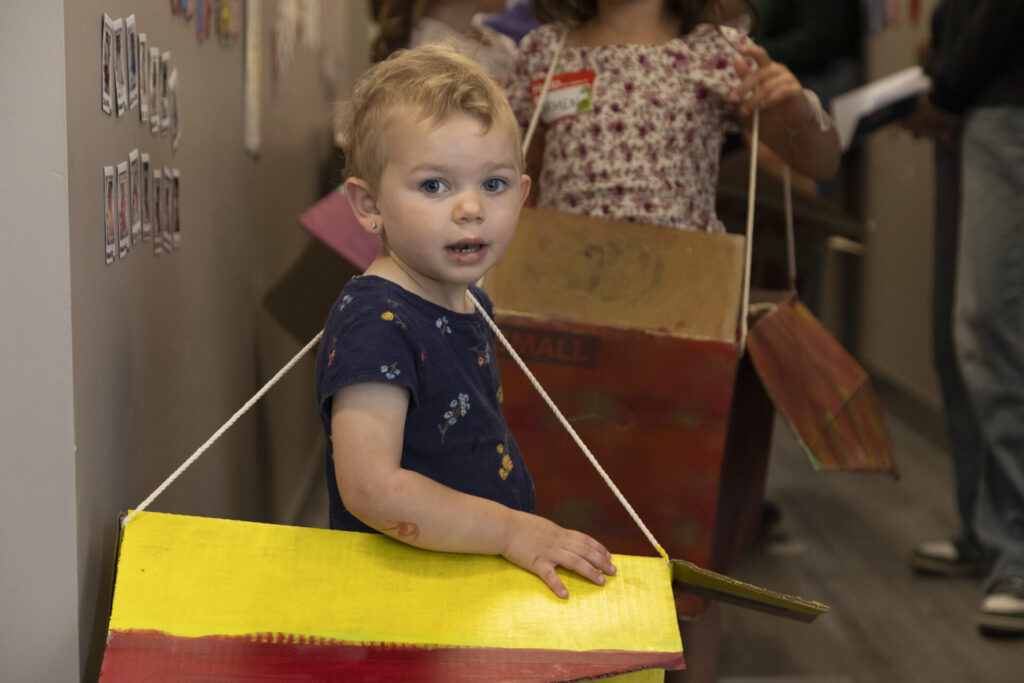
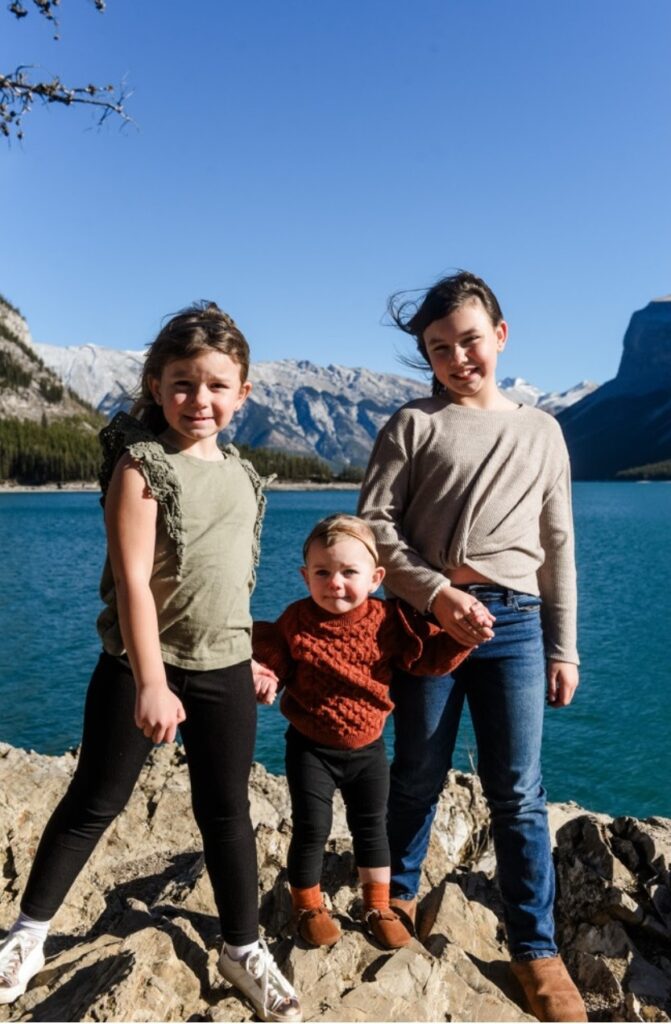
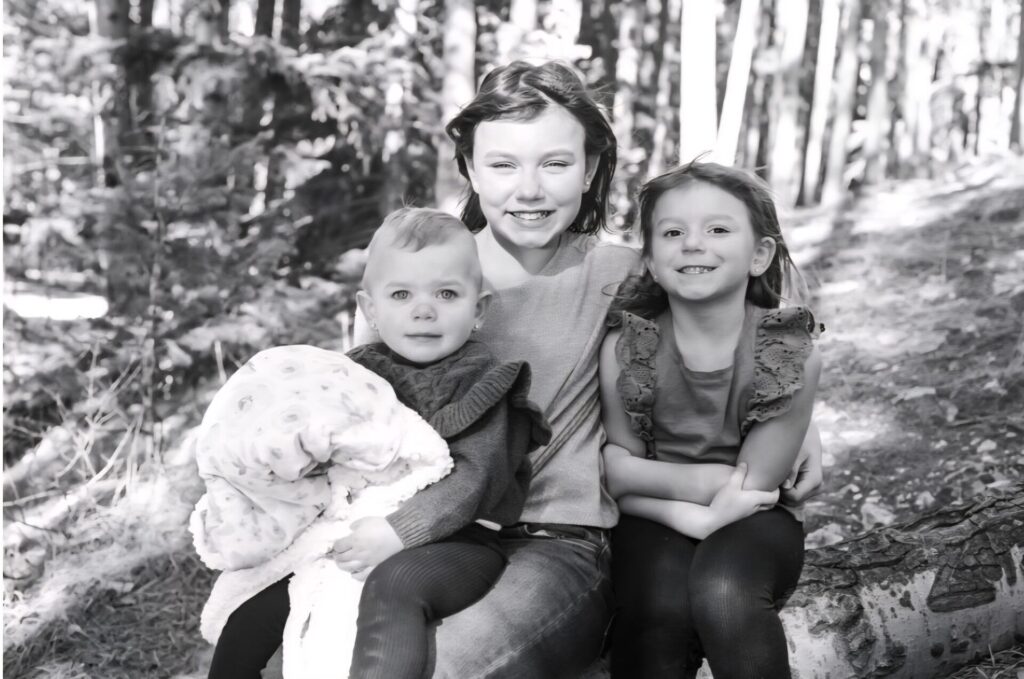
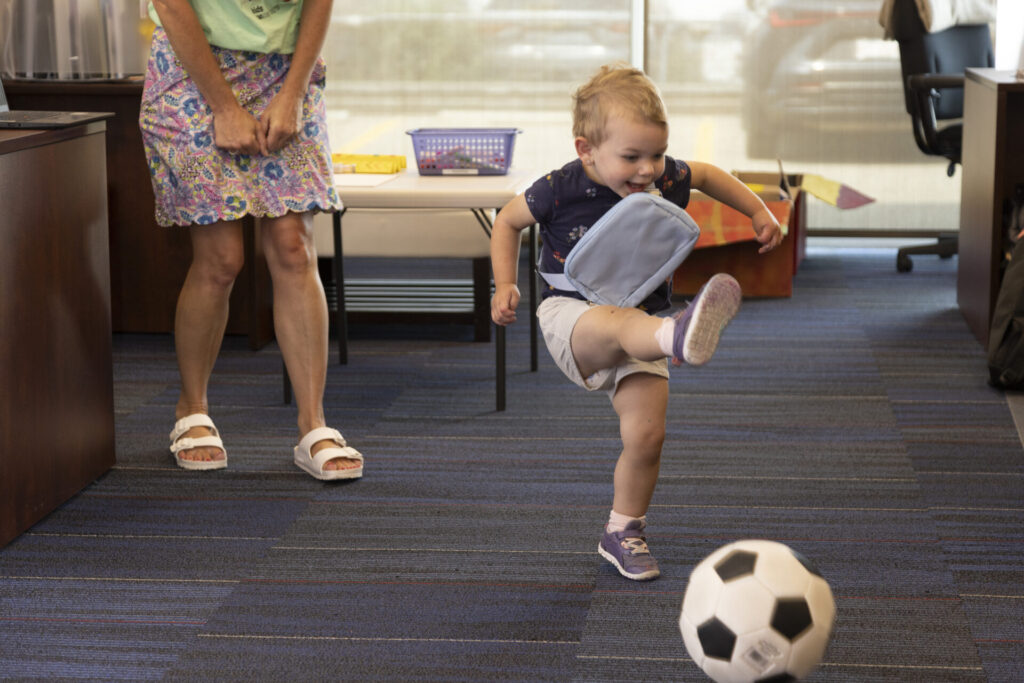
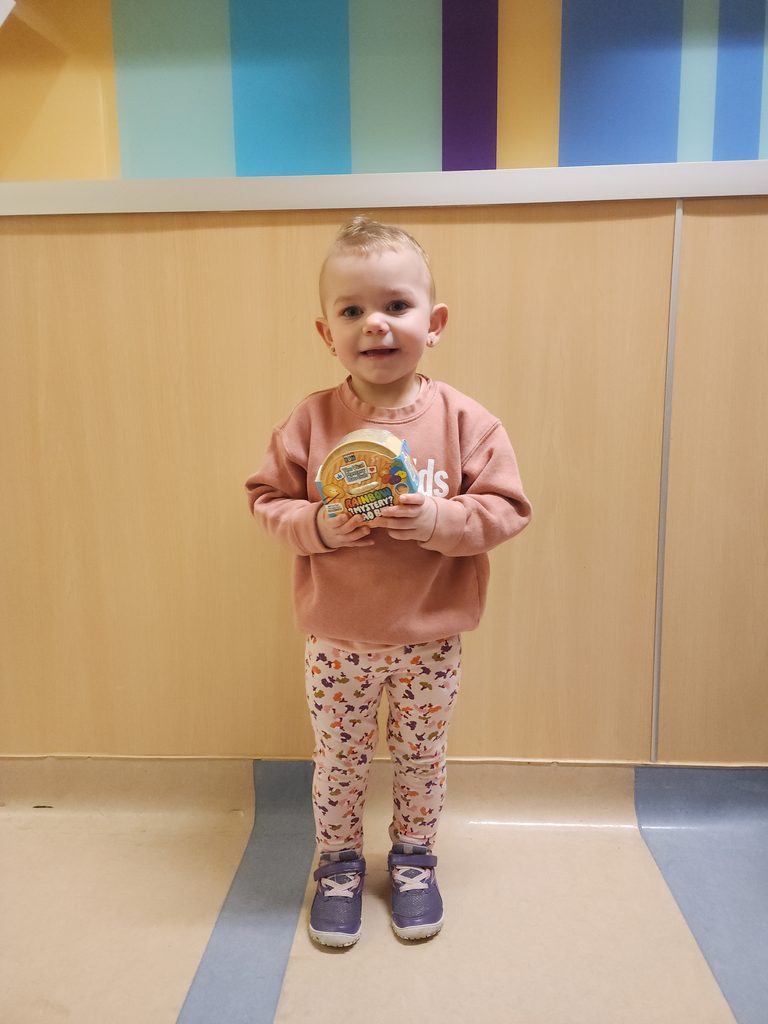
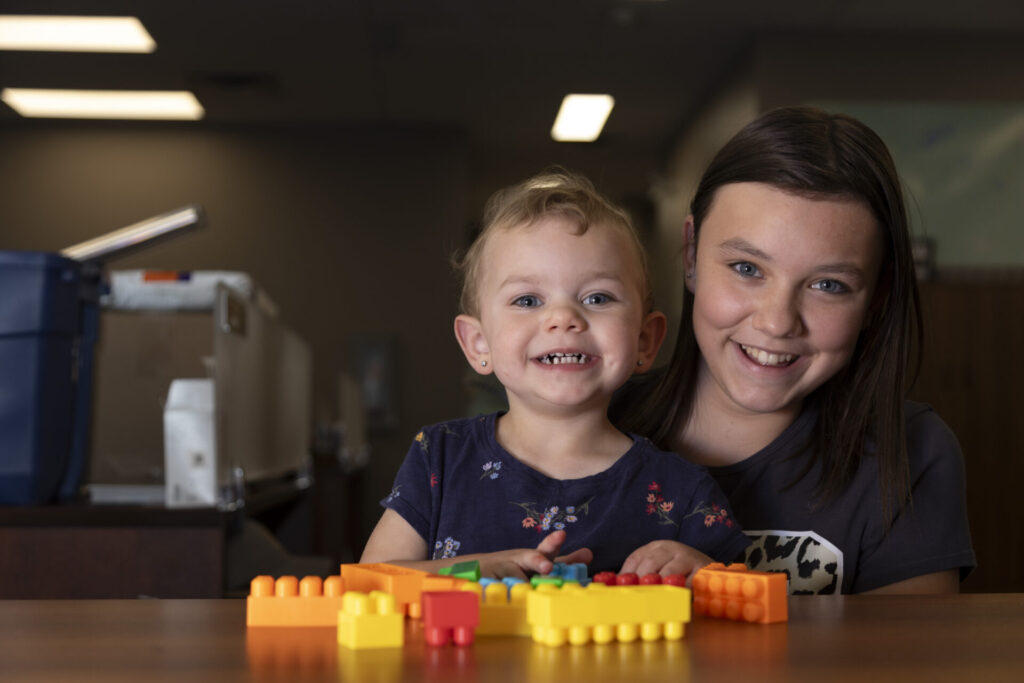
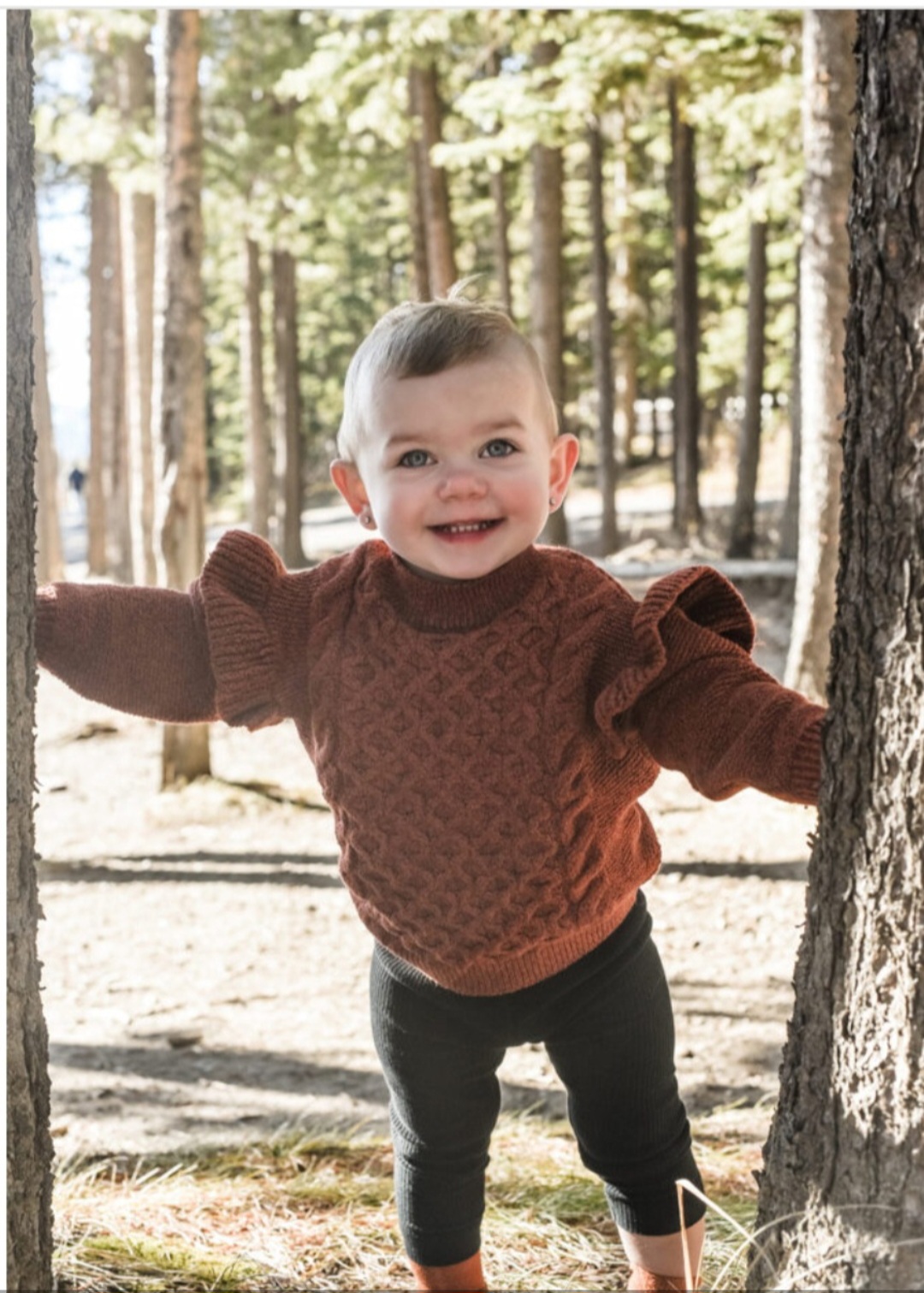
Hollis is one of the most amazing humans. So sweet, kind, and loving. Enjoying all the love from her big sisters. Her beautiful blue eyes just full of joy and wonder to see what the world has to offer. Always sparkling.
We had gone to the eye doctor for a “happy visit” to introduce her to the eye doctor, see all the tools and letters on the wall.
What we thought would be a quick visit turned into our worst nightmare. Our ophthalmologist brought in his apprentice to take a look at her eyes, as most ophthalmologists may never see retinoblastoma in their career.
At the time, I didn’t know what was happening; no one was saying anything to me. The pit in my stomach became heavy with fear and worry. The ophthalmologist said, I need to get to the Alberta Children’s Hospital as soon as possible.
We went home and waited for a referral. The Alberta Children’s Hospital didn’t have an ophthalmologist on staff, so we were rushed to the Rockyview Hospital the next day to see the head ophthalmologist. After a very assertive ultrasound on her eye of concern, confirming her cancer, they requested an ultrasound on the other eye, confirming her cancer is bilateral, meaning in both eyes.
The fellow asked me to step into the room where my life changed forever. No tissue, no please sit down… The words of every parent’s worst nightmare, their fear… Your daughter has bilateral retinoblastoma … Cancerous tumours in both eyes.
My stomach turned. I got dizzy. What does this mean? How did she get it? How do we cure it?
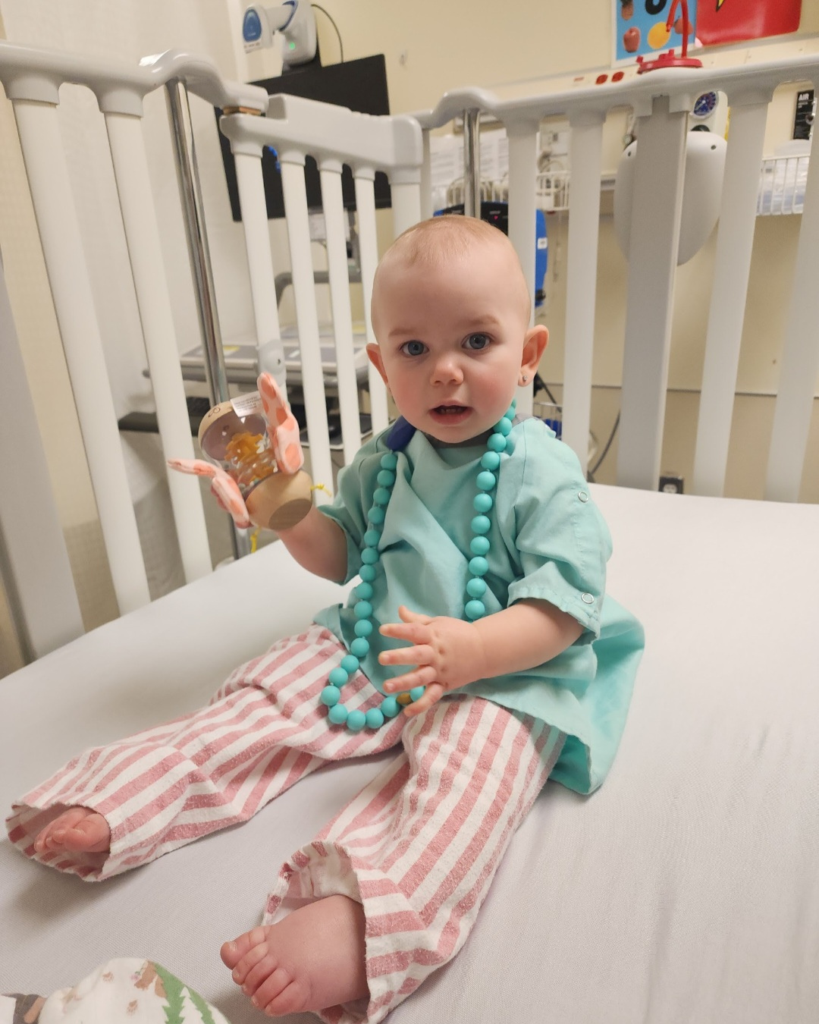
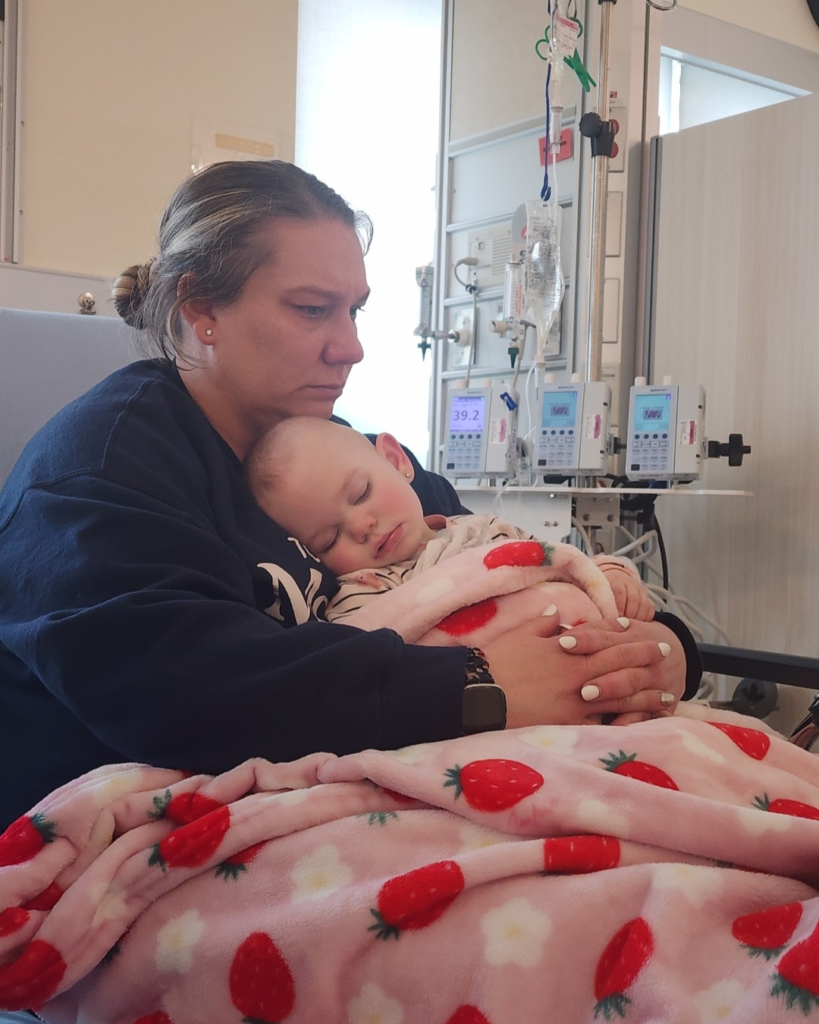
I sat down staring at my sweet miracle sleeping away so peacefully, having no idea her life was about to change. How do I handle this? How do I tell my husband, our other 2 daughters, our family and friends? I couldn’t even think.
The head ophthalmologist of Rockyview came in. He advised me that things were going to move very fast, to be strong, as the tumours were rapidly growing, and fast. They were greatly concerned about the cancer not only spreading to another part of her body, but to her brain.
He had made a call to the Mitchell Eye Center where Canada’s best and only pediatric retinal specialist works to get us in. We rushed over where we had more eye exams and a plan of execution.
She pulled up the Canadian Cancer website with bilateral retinoblastoma and told me to read, and if I had any questions, to ask. Meanwhile, she was working behind the scenes, making plans for us to be seen by Canada’s best ophthalmologists in Toronto at SickKids Hospital, immediately.
We were informed that the type of cancer is rare, let alone bilateral, which makes her case more unique.
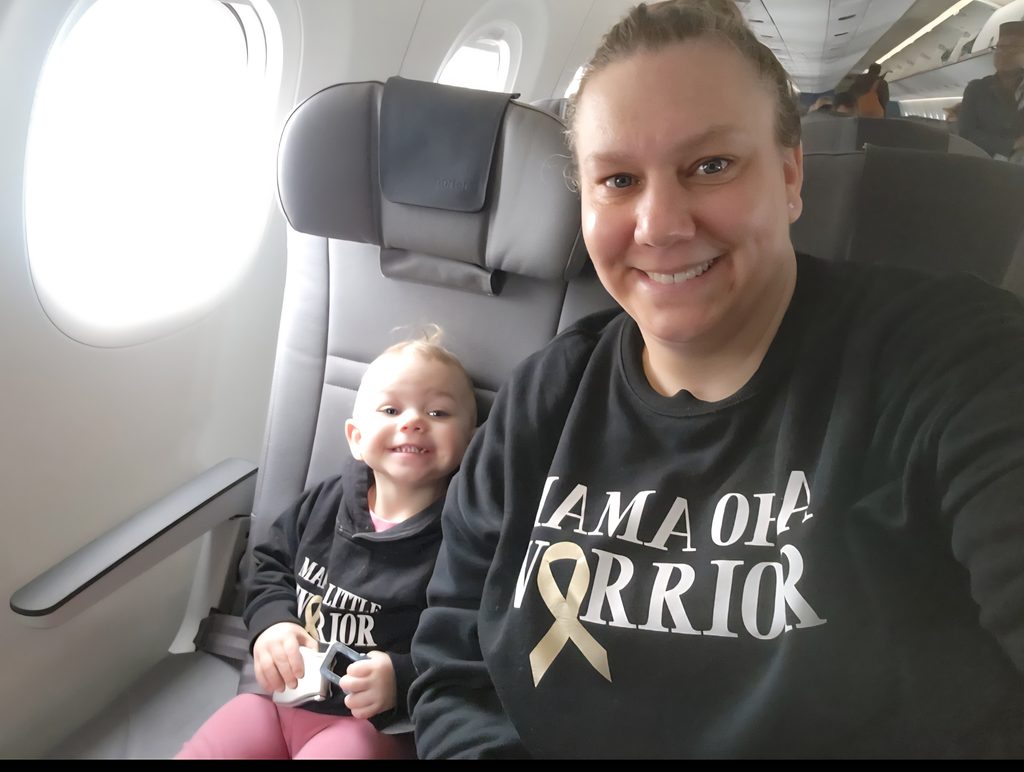
Non-heritable retinoblastoma (also called sporadic retinoblastoma) happens by chance. About half the number of children with retinoblastoma have non-heritable retinoblastoma.
Children are born with 2 normal copies of the RB1 gene. A mutation of both copies of the RB1 gene in a retinoblast cell causes a retinoblastoma tumour to form in the eye.
Sometimes non-heritable retinoblastoma can happen even though the RB1 genes are normal. In this case, there are too many copies of the gene called MYCN. When there are too many copies of a gene, it’s called an amplification. The amplification of the MYCN gene causes retinoblastoma that grows quickly and usually occurs in children around the age of 4 months.
Retinoblastoma starts in the cells of the retina in the eye. It’s the most common type of eye cancer in children. A cancerous (malignant) tumour is a group of cancer cells that can grow into nearby tissue and destroy it. The tumour can also spread (metastasize) to other parts of the body.
I sat there. Trying to process all of this. The doctor came in and said that we needed to be rushed to Toronto SickKids for further information. Still, at this time, not knowing what is happening with my child, where the cancer is, how serious, or what stage?
Toronto requested an MRI to see if the tumours had travelled into her brain through her pineal gland. This can lead to pineoblastoma, which is a type of childhood brain tumour that occurs in the pineal gland.
We were admitted to the ACH for an emergency MRI. Then we were rushed to Toronto SickKids after being admitted at ACH for 2 days for a plan of execution.
I had to uproot my life fast, not being able to think, scared, worried about leaving our other kids behind. My husband had to take an unpaid leave from work for several weeks to care for our 2 daughters and ensure some normalcy in their routine.
We met with the SickKids ophthalmology team on day one when we got our answers.
We were informed that in her right eye, the tumour was very close to her central vision and was growing fast. If not treated soon, it could hit her central vision, and she would lose her full vision and her eye would have to be enucleated.
In her left eye, the tumour was in the upper left side, not as severe as the right, but four times larger than the tumour in her right eye. We needed to move fast and come up with a plan, as the cancer could spread? We are the type who like to research options before diving into anything, especially a life decision for our daughter. They gave us 3 options:
- Enucleation of both eyes (removal)
- Systemic chemotherapy to stop the activity in the tumours and shrink them so that focal eye therapy can be worked on if the chemotherapy works.
- Direct chemotherapy, which would only be useful if it was unilateral, which in this case wouldn’t be beneficial as it was bilateral.
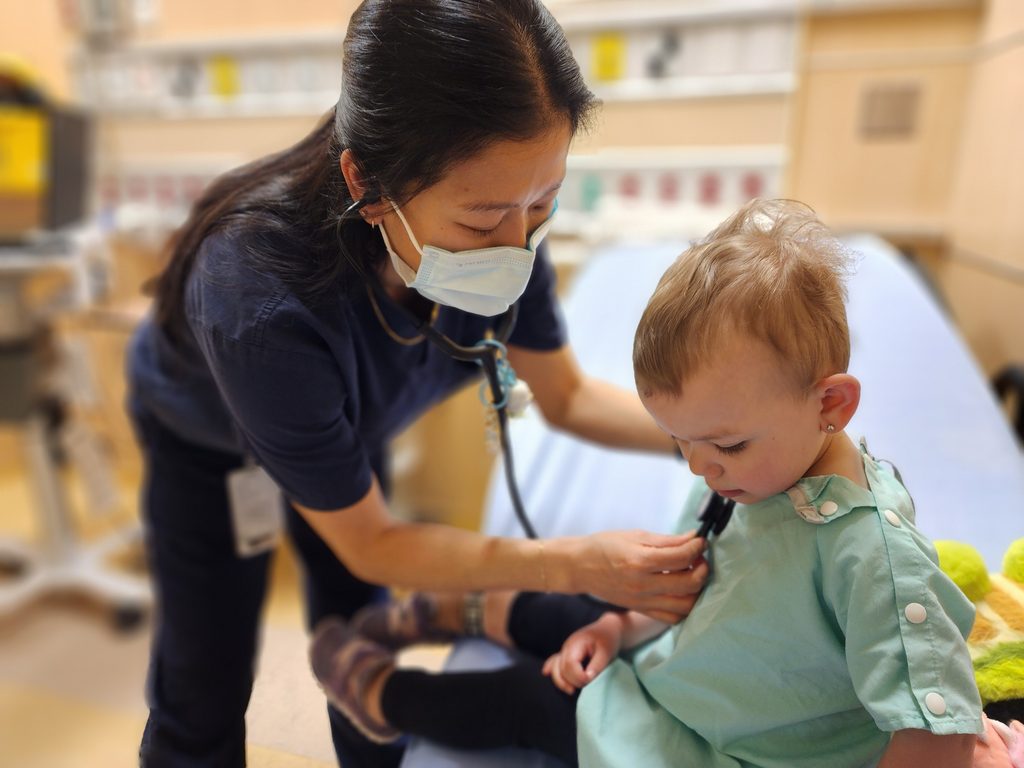
There was no time to research. We needed to act fast as the rapid growth of the tumours would become detrimental to her life. With my husband on Facetime, we decided chemotherapy back in Calgary was the best option. They needed to get it set up and ready for us upon our arrival.
We had a really hard conversations on day two with the oncology team about how chemotherapy could make her infertile, the possibility of hearing loss and many more uncertainties. Can you imagine having to make that decision for your child to save their life? The next conversation was secondary cancers that may occur as her journey continues in life? And how life will never be the same.
We continued our conversations with the pediatric oncologist at Toronto SickKids. There, he walked through the plan to isolate the tumours. We would do four rounds of chemotherapy with sedated eye exams and photos in Calgary, which would be reviewed with the doctor from Mitchell Eye Centre and sent back to Toronto for further instruction.
We flew back to Calgary, where we started our first round of chemotherapy.
We needed to decide how we were going to inject the medication. We were given two options. The first option was through an IV for every treatment, or a port-a-cath. The IV option wasn’t the best, as she was little and would try to pull out the IV, especially if it’s in there for a few days. So many pokes and it would make her veins weak. The port-a-cath was the best option in this case as she was receiving frequent doses of chemotherapy over a long period.
We then started our medical journey and were admitted to Unit 1 at ACH.
As I am writing this, I realize my most challenging obstacle as a mother. Seeing your tiny one-year-old baby getting this horrible medicine injected into her body that will change her life forever to kill a horrible disease that may take her life.
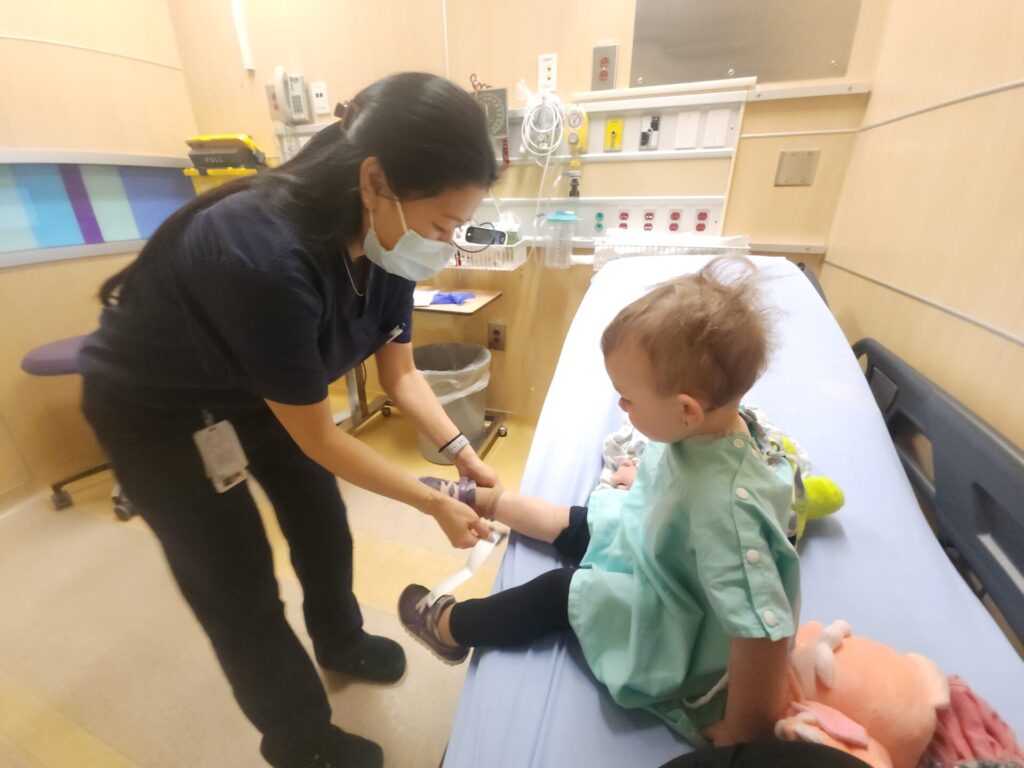
Each round of chemotherapy is two days, with a third day having an injection. As she received her vhemo, she also contracted a horrible bacterial virus that made her very sick. Her blood cell counts were low. She was throwing up, not eating, and had a high fever.
We continued this journey for four months. Eight hours a day of screaming and crying because of the pain. Weekly blood draws, sedated photos, audiology appointments to see if one of the chemotherapies had caused hearing loss. Our little girl, who is so full of life, caring and loving, and always smiling even though she is going through one of the worst moments of her life.
After monthly reviews between Calgary and Toronto, chemotherapy had worked and shrunk the tumours to an appropriate size where sedated focal therapy and exams could take place.
We have been flying to Toronto monthly since May, 2025 where focal eye treatment takes place. Every visit to Toronto includes cryotherapy, laser therapy, EUA (examination under anesthesia), RETCAM, OCT Scan Tomography, and sometimes an angiogram.
Cryotherapy uses intense cold, typically via a liquid nitrogen or nitrous oxide probe, to treat retinal tears, detachment, and advanced glaucoma. It works by creating localized freezing that causes inflammation, forming a scar that seals tissue or destroys abnormal, fluid-producing areas.
Laser therapy utilizes focused light energy for precise, minimally invasive treatments of retinal disease, glaucoma, and refractive errors. Common applications are for vision correction, significantly reducing blindness risks and improving vision
EUA is an exam under anesthesia.
RETCAM is a specialized, wide-field digital ophthalmic imaging system designed primarily for pediatric retinal imaging.
OCT (Optical Coherence Tomography) is an imaging test that uses light waves to produce high-resolution, cross-sectional images of the retina and optic nerve.
We will continue our monthly visits until the team in Toronto sees no consecutive activity for a full year in both eyes. At that point, when the doctors are feeling comfortable, they will allow us to stay in Calgary and receive sedated optic imaging every three months. Doctors will continue to monitor very closely because she is at high risk of developing new tumours. We will still have to go for yearly visits to SickKids Toronto.
To date, Hollis has had 19 sedations by the age of 2.
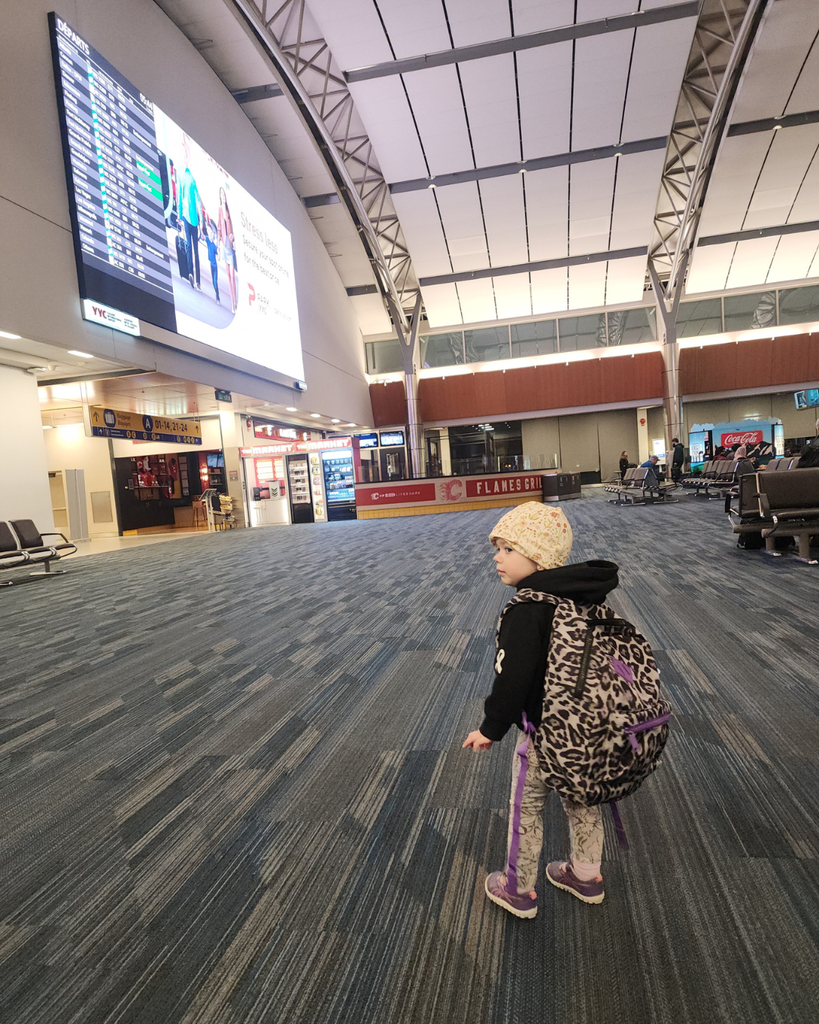
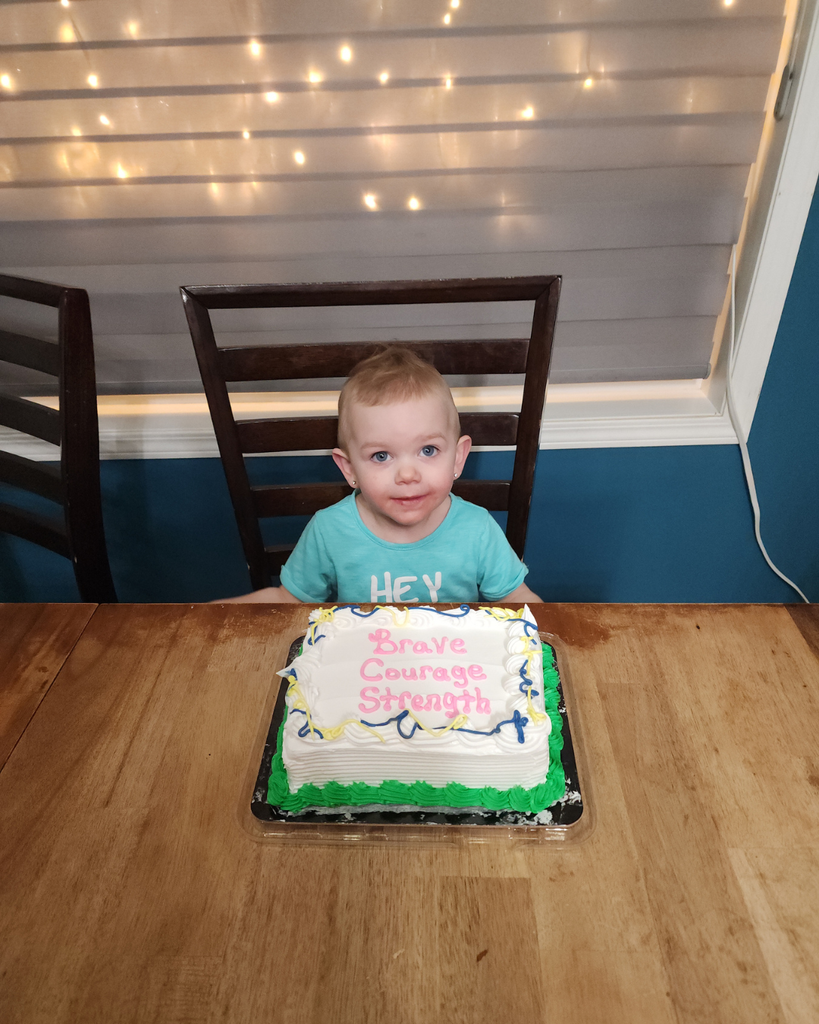
We had a very challenging and detailed conversation with our Calgary and Toronto oncologists regarding second malignancy risk. At this point in our journey, it was important to be aware of what the future might hold for Hollis.
Any child with an RB1 mutation is at increased risk of second malignancies throughout their lifetime, and therefore the family should know what to watch for. During the first five years of life, children are at increased risk of new retinal tumours, and at a small risk of developing a pineal gland tumour called pineoblastoma. From the age of approximately eight years to their late teens or early adult years, patients are at increased risk of developing a bone tumour called osteosarcoma. The most common locations for this are around the knee or below the shoulder. In adulthood, patients are at risk of soft tissue sarcomas, such as muscle sarcomas or uterine leiomyosarcomas. The risk of these begins around age 35 years and is around 10 per cent. These may present without pain but would present with an unusual lump or bump or swelling. In older life, patients are at increased risk of melanomas.
I am so incredibly proud of Hollis. Her strength, resilience, and bravery are what keep me going every day.
We are navigating this unexpected journey together as a family, and as a community. It’s important to remember the things we can control and the things we can’t control. Our job is to love and enjoy every moment with our children. Don’t take any moment for granted, the good and the bad. It’s the doctor’s job to keep her safe and healthy.
I have learned so much as we are on this journey, which has shaped me into a different person and will continue to in so many ways.
The help of so many people as we navigate this journey has been so incredible. Our family and friends, teachers supporting our other two daughters as we tend to life-threatening situations with their sister, our community, Alberta Children’s Hospital staff, Toronto SickKids staff, Mitchell Eye Care, and most importantly, Kids Cancer Care.
I first heard about Kids Cancer Care when we were admitted to Unit 1 at the Alberta Children’s Hospital. My head was spinning with so many feelings, emotions, unanswered questions, and uncertainty.
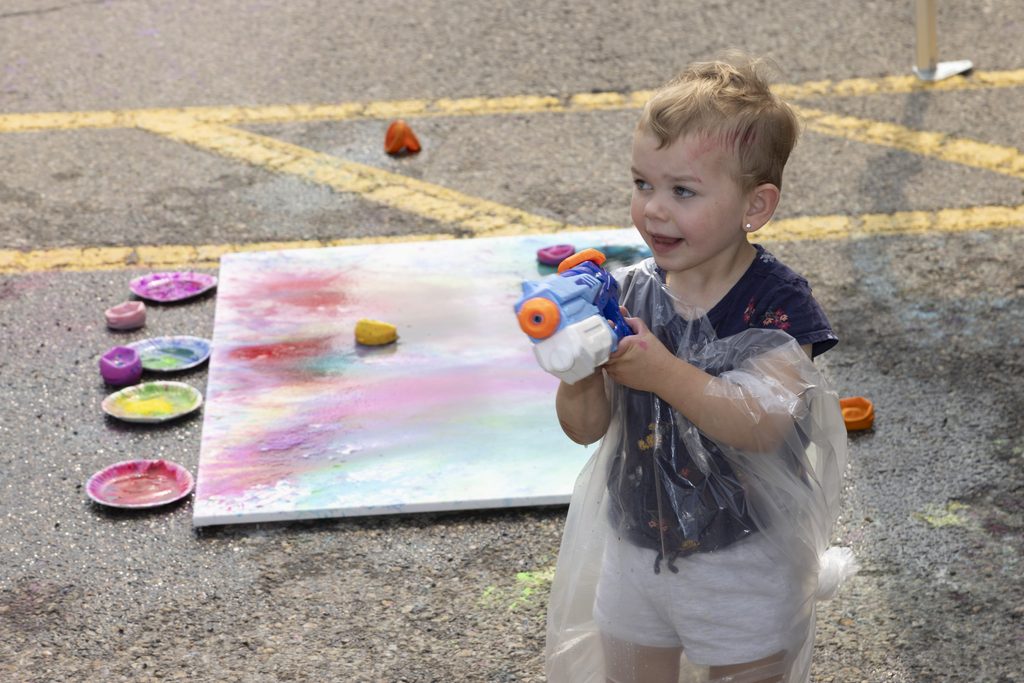
I had one of the nurses tell me that every Wednesday it’s Pizza Night in the Sunshine room, and that’s where I met the amazing Suzanne. We had a basic conversation; she gave me her card and all the information I needed to start this journey. I never imagined the support that would rally around me.
I didn’t reach out to KCC until July of 2025. Wow, they have been such a huge anchor in this journey for our family.
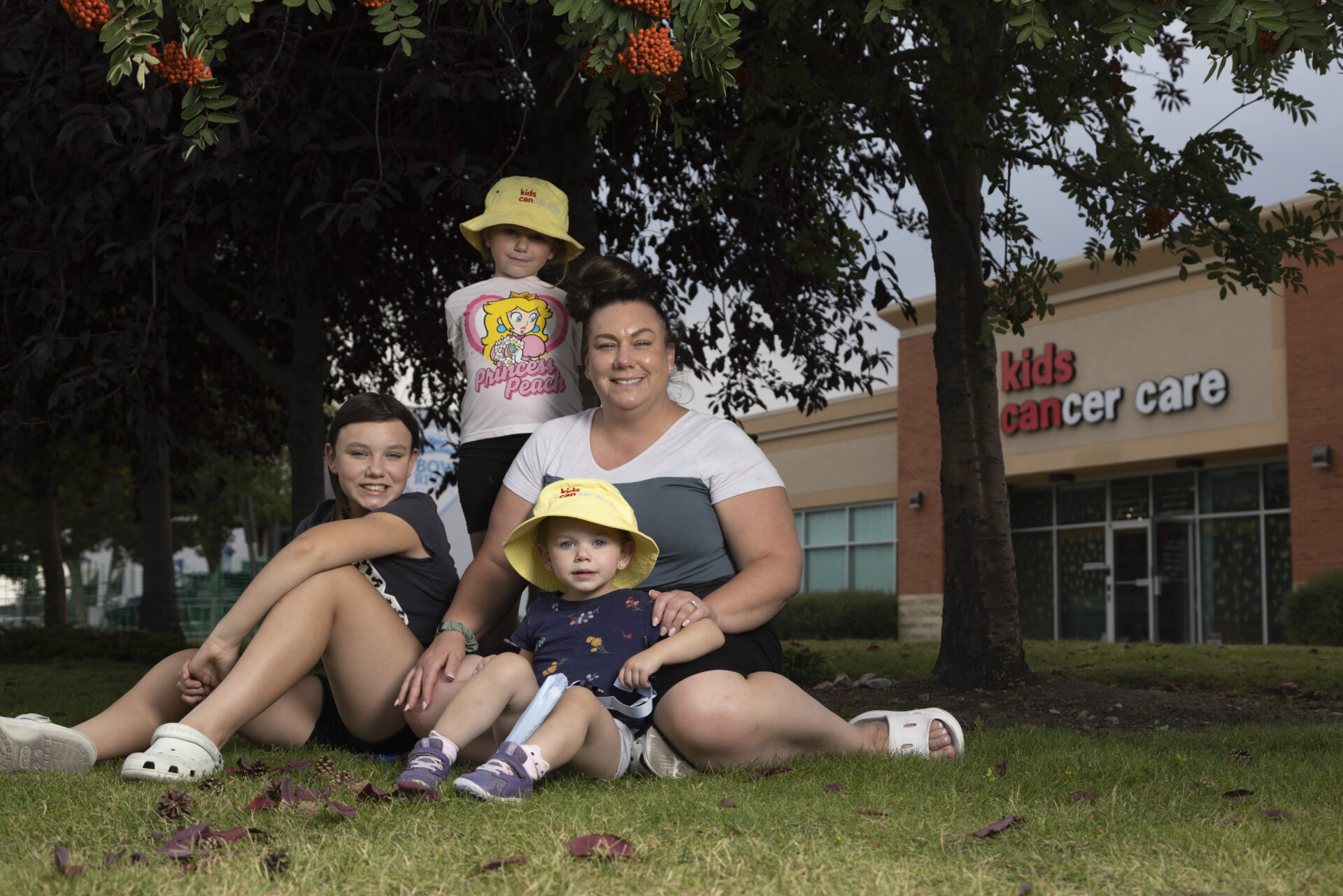
From personal guidance for myself to Sibling Meet-Ups for our other two children. Our girls can have one-to-one time with the amazing staff and meet other siblings who are going through the same process. Mackenzie has been such a great support for our girls.
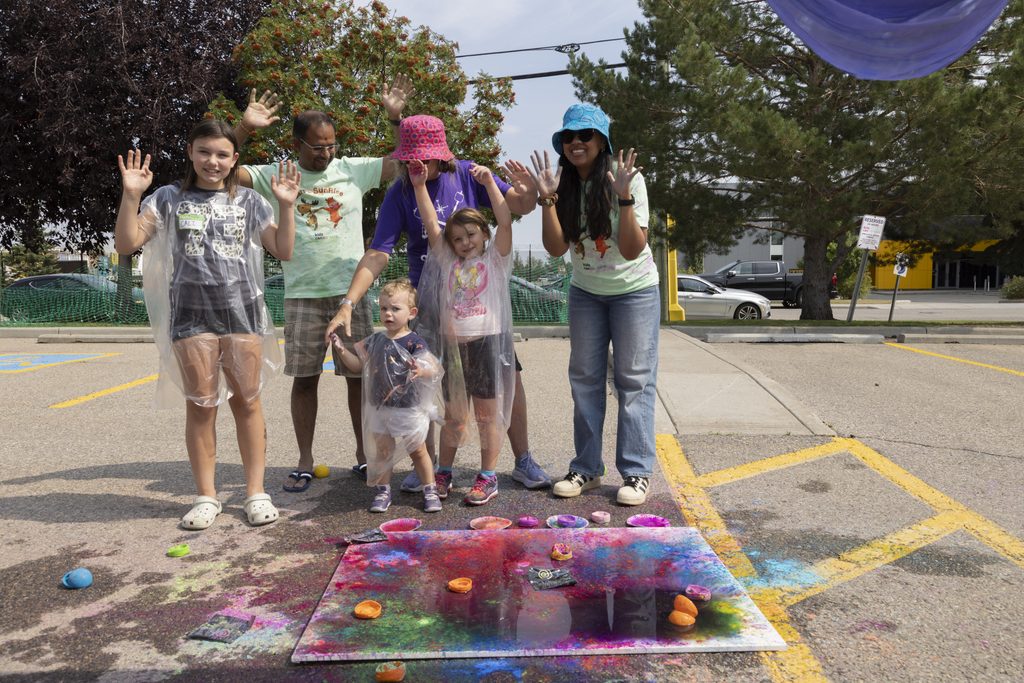
Camp Kindle Family Camp was very impactful to me. Being around other families who understand your situation and can give guidance and support. It has become a safe and comfortable place for my children to be. The volunteers are absolutely outstanding. The camp has made a world of difference. We were able to make not only great connections with other families, but the staff as well.
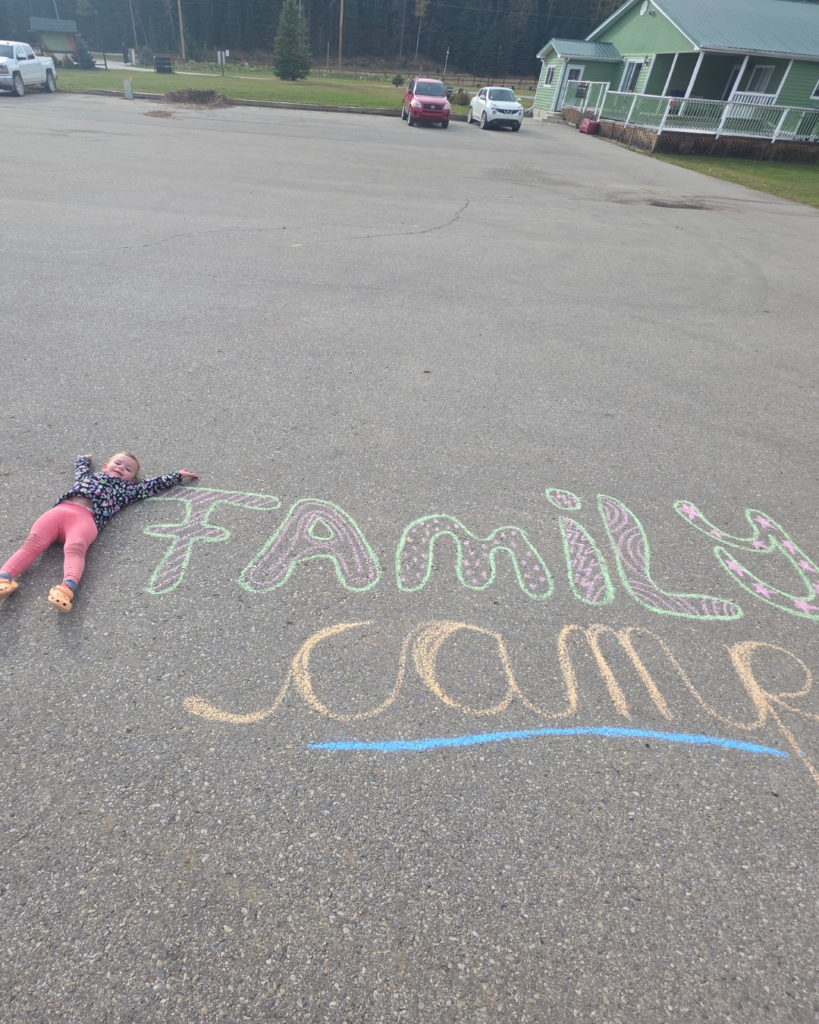
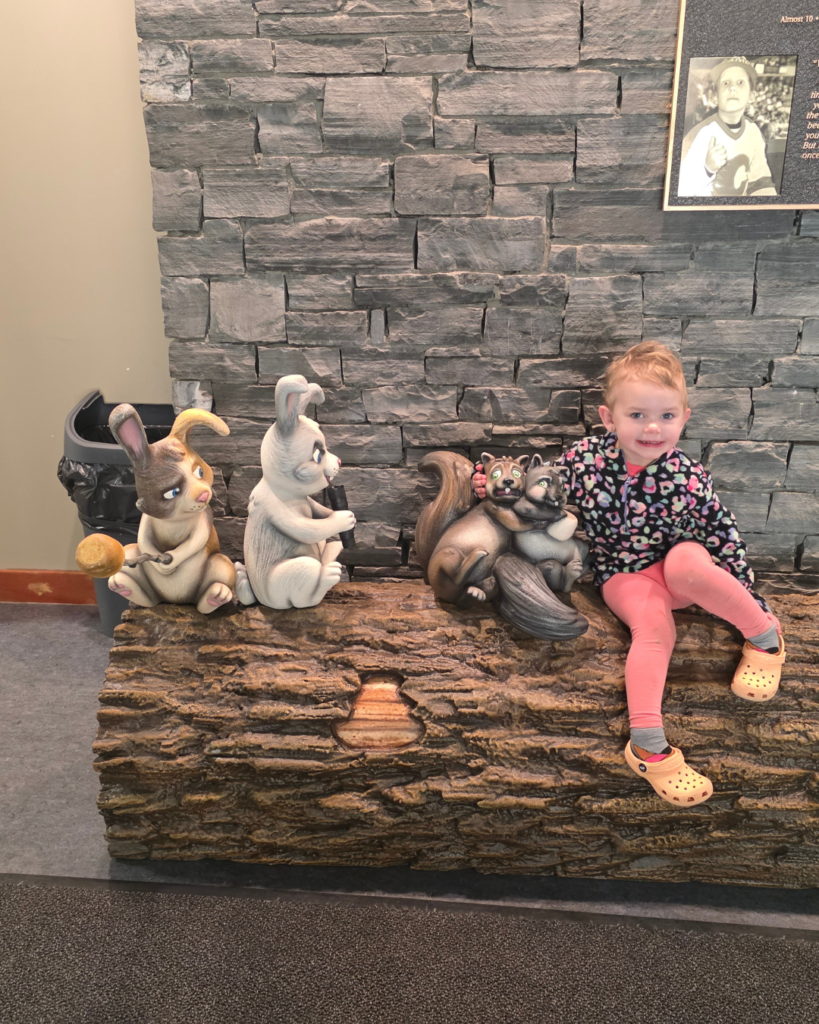
Child life support has been very meaningful to help guide our other two children through this horrible, unspeakable journey. They have been very reassuring of our guidance so far and offered outstanding resources to help navigate our situation.
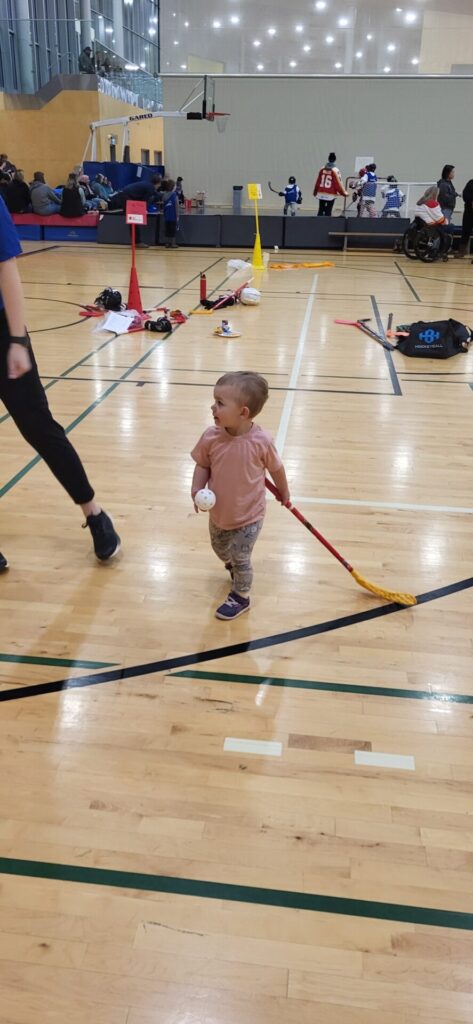
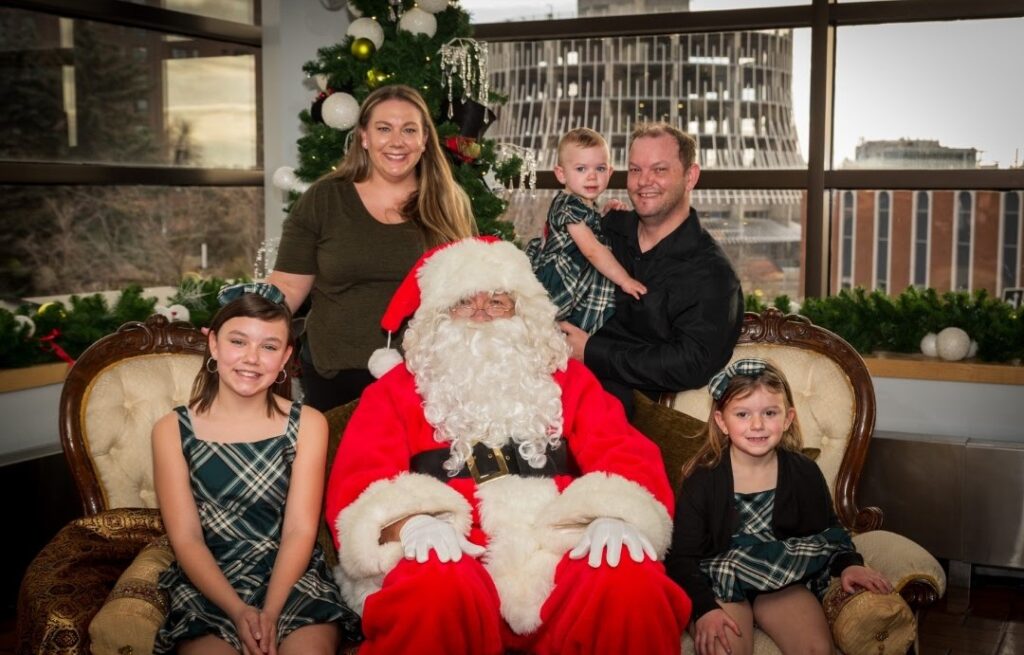
We have been able to enjoy a lot of fun-filled family activities, which have become even more important and close to my heart now. Hockey games, hockey tournaments, Polar Express, summer camp, Family Camp, A Christmas Carol, and so many more amazing events they put on for families. To see the love and joy in your children’s eyes is priceless, and I am so much more grateful for these wonderful experiences that have been provided by Kids Cancer Care.
Without the support, love, and community that Kids Cancer Care has provided for myself and my family during this very unexpected and challenging time, we would be lost.
– Bre, Hollis’s mom
This holiday season, your generosity can make a life-changing difference for families like Hollis’s. Thanks to our generous matching donors, every donation received by December 1 will be doubled, helping more children and families find the care, connection and support they need when childhood cancer changes everything.
Huge thank you to our generous matching donors: Dilawri Group, Gage Foundation Fund through the Victoria Foundation, Gary & Janeen Nissen, Rodney & Karen McCann and Anonymous Donor.
Photo gallery