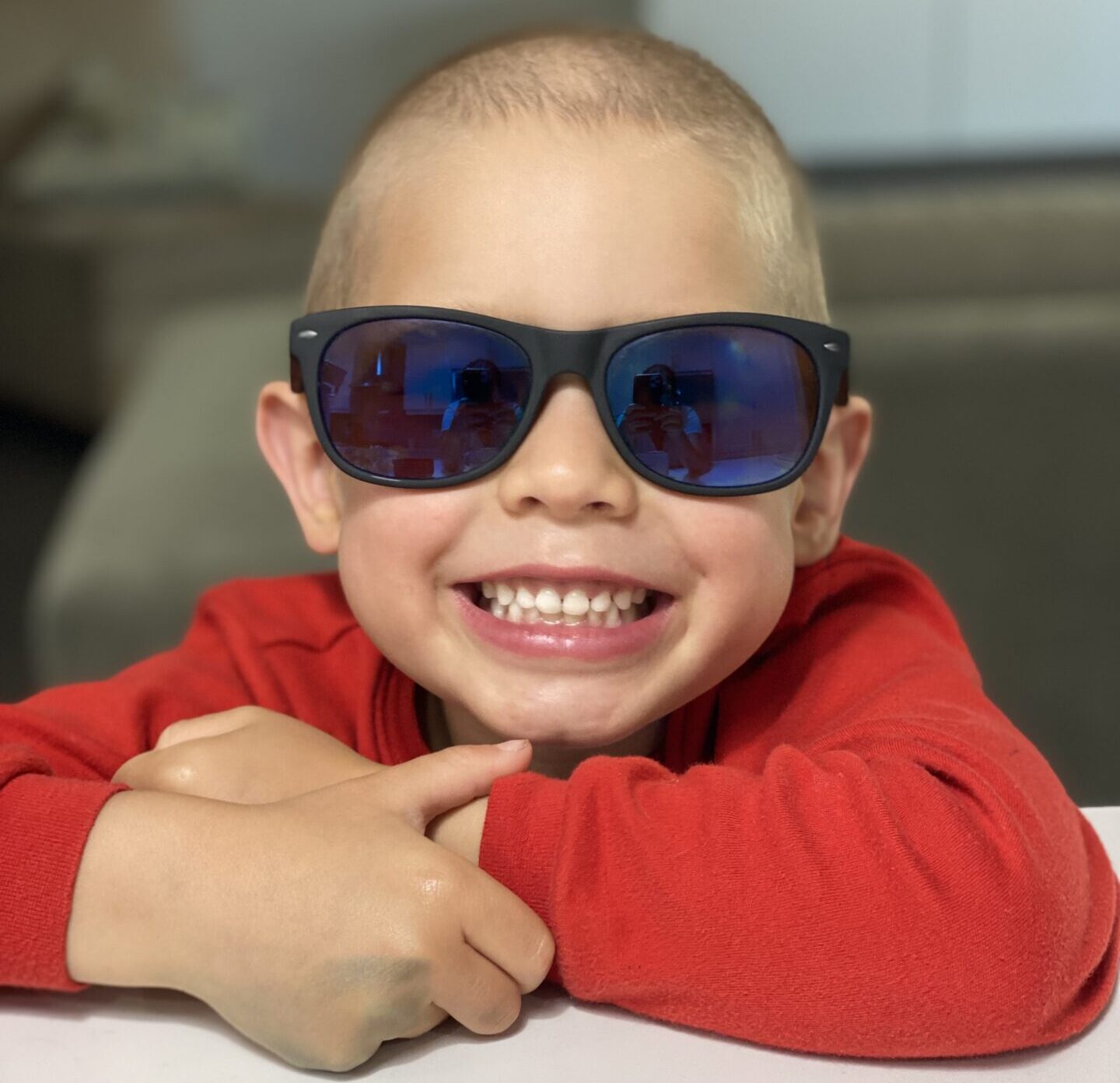
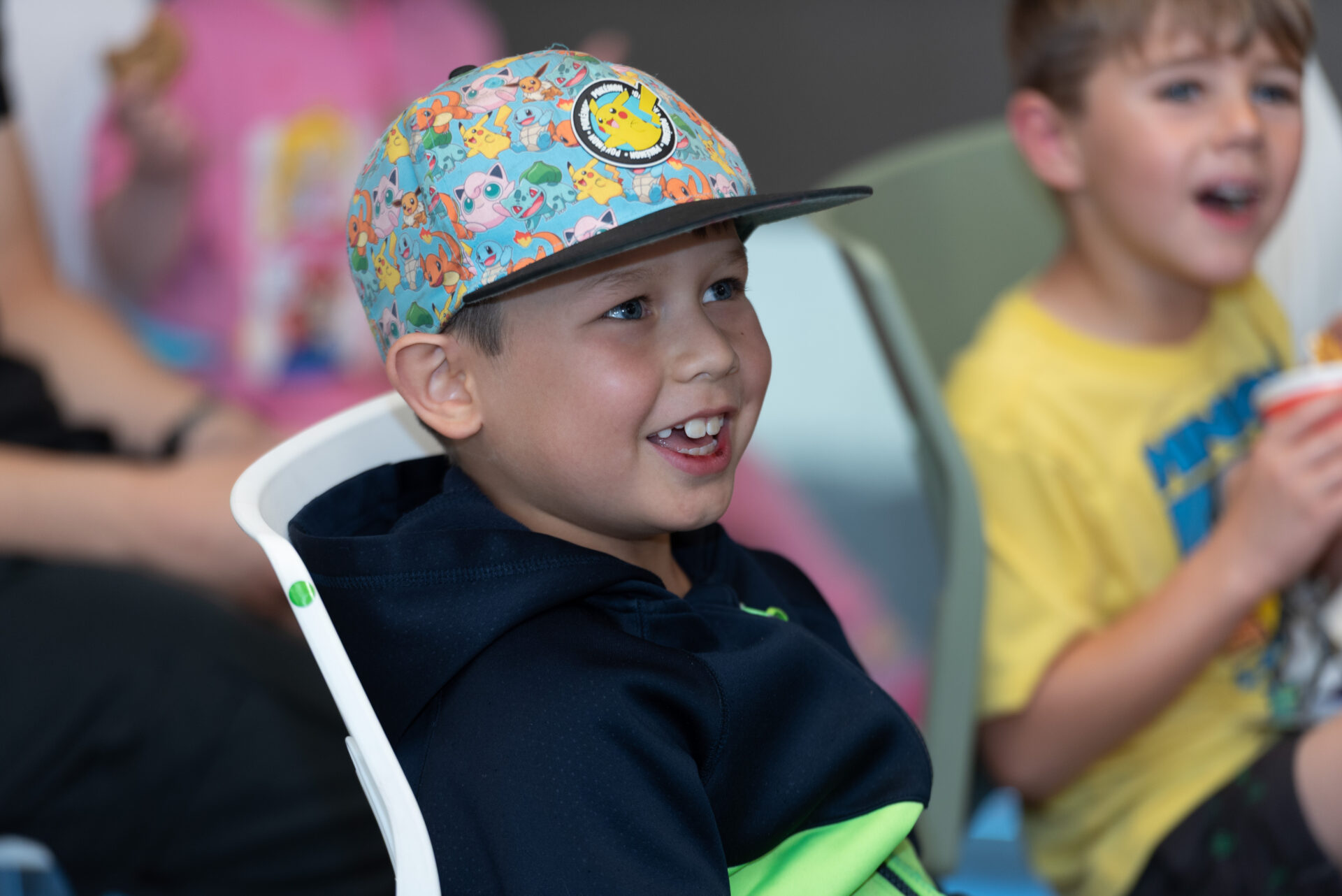
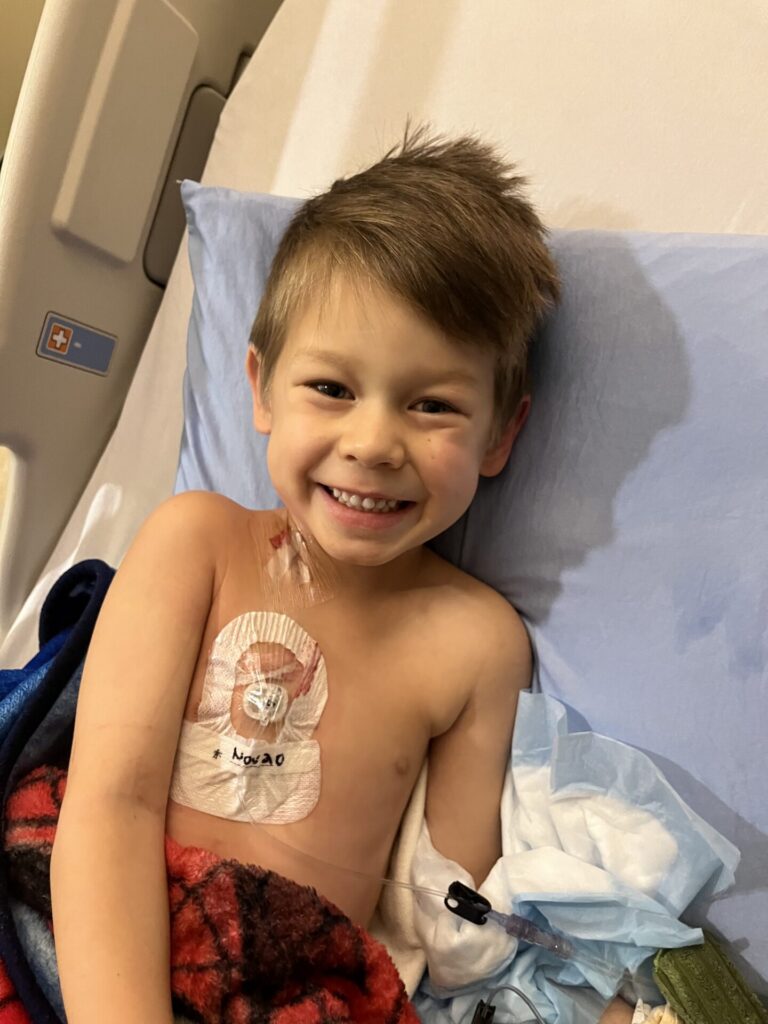
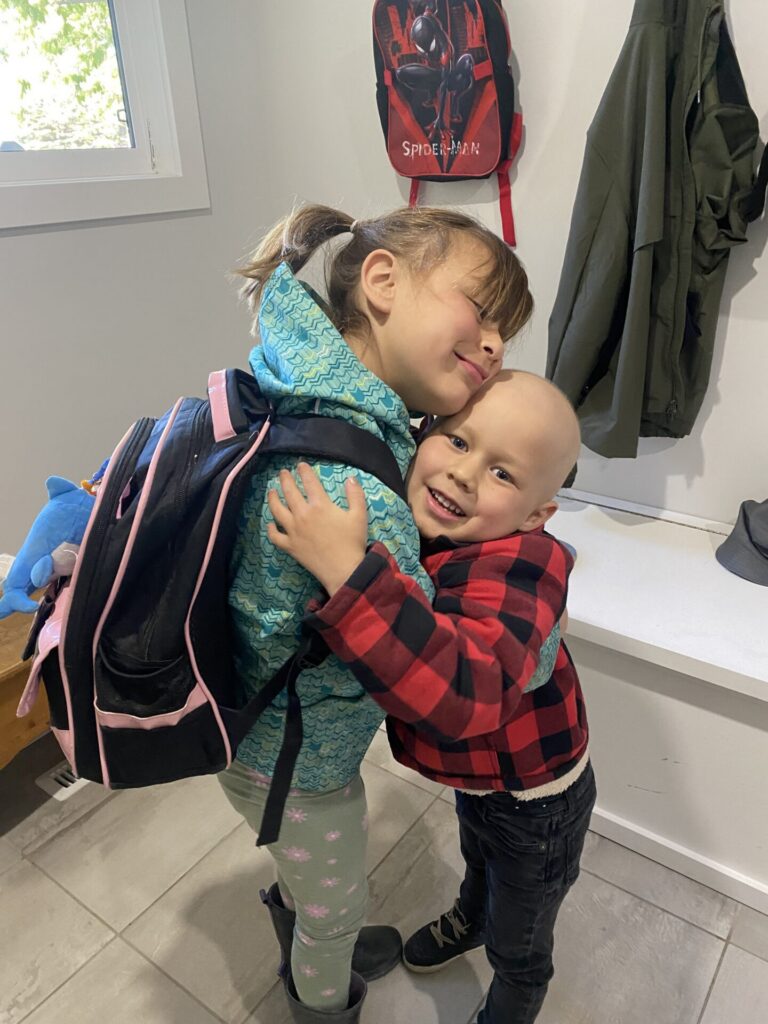
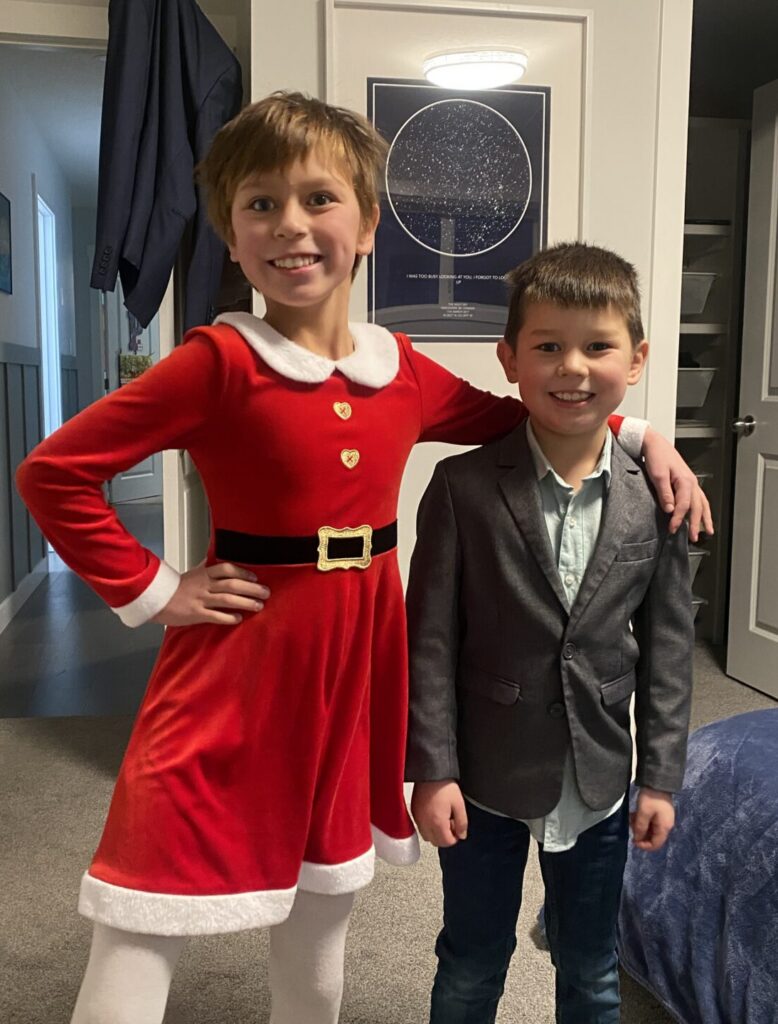
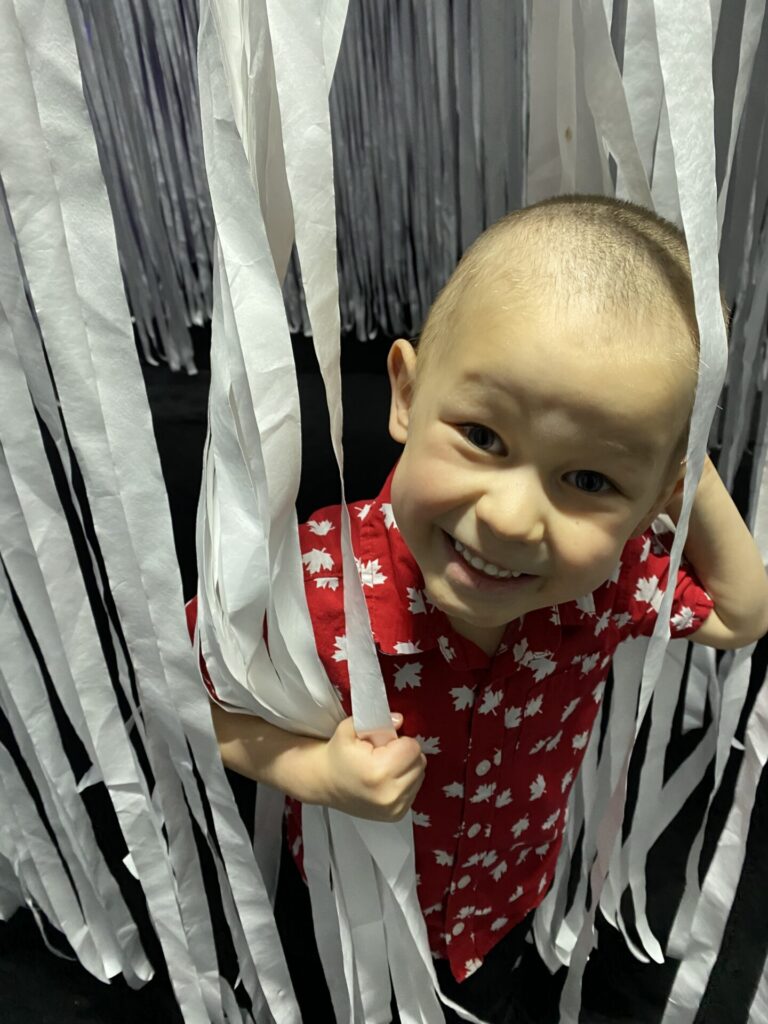
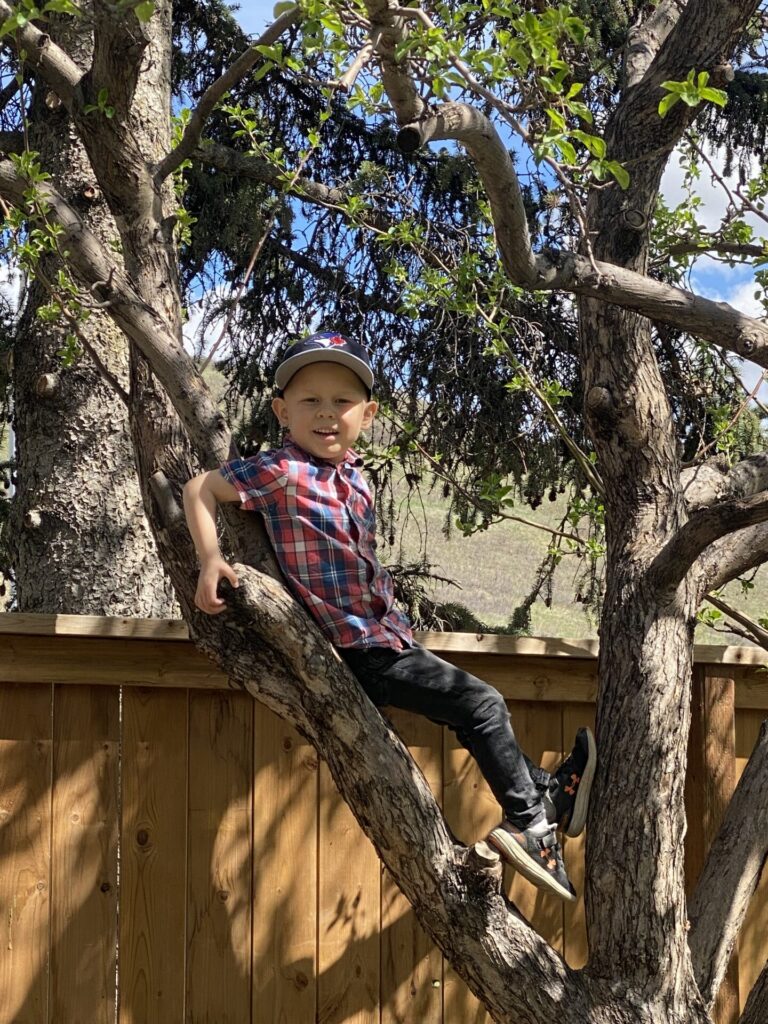
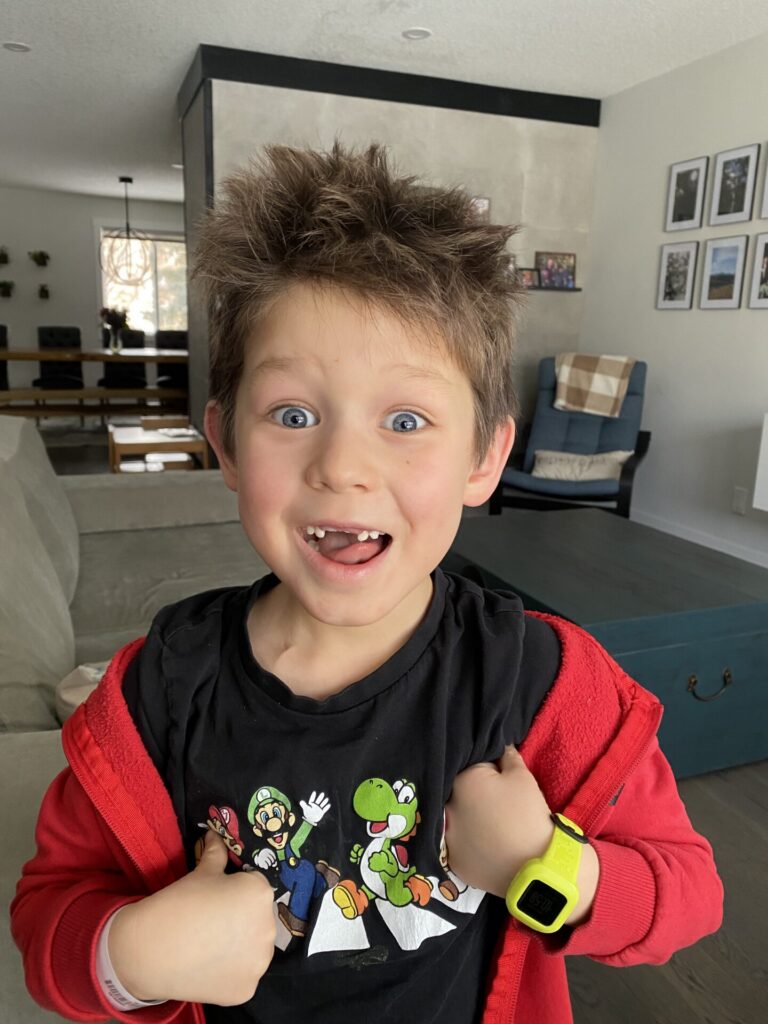
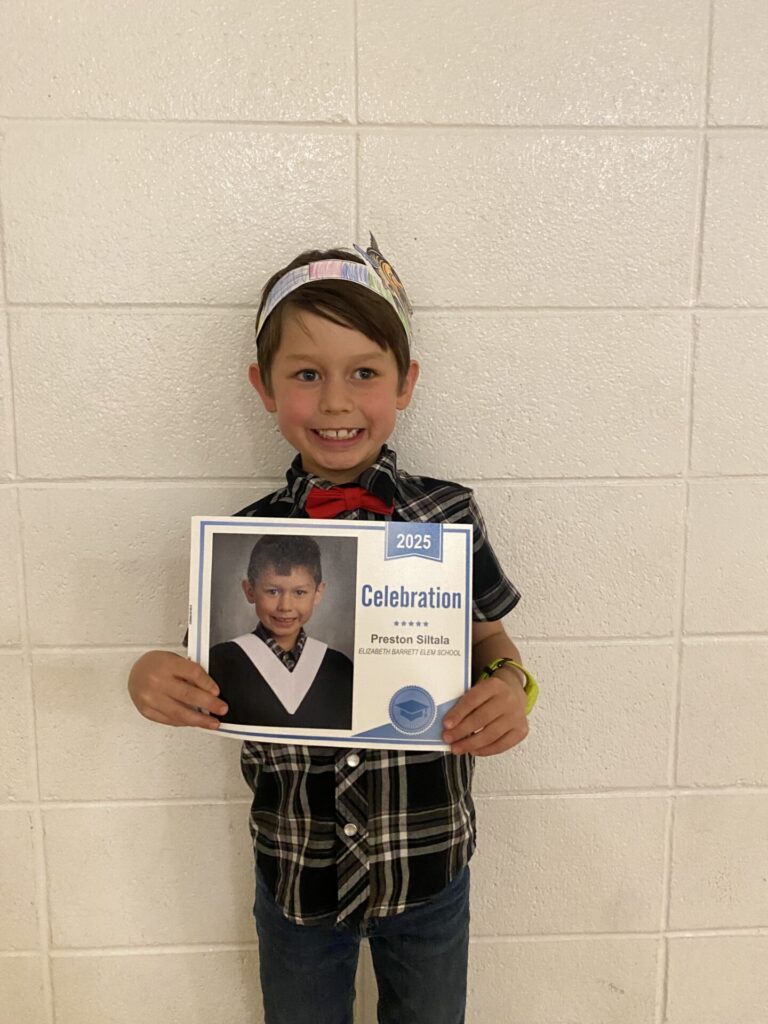
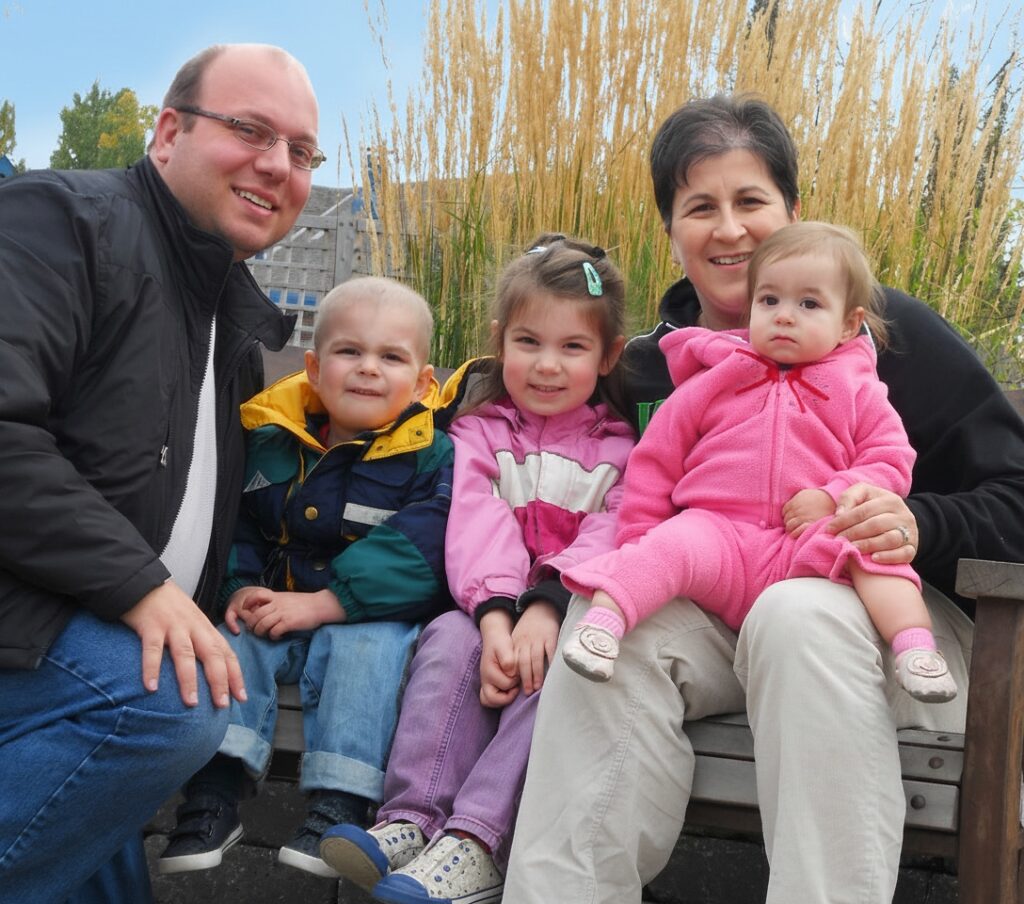
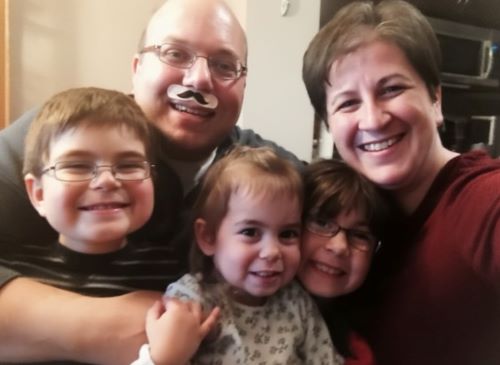
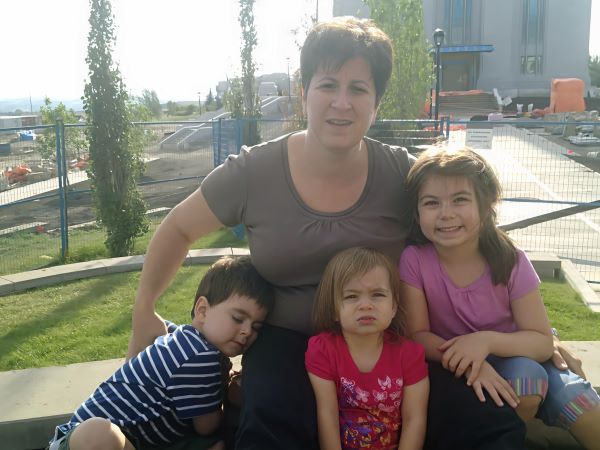
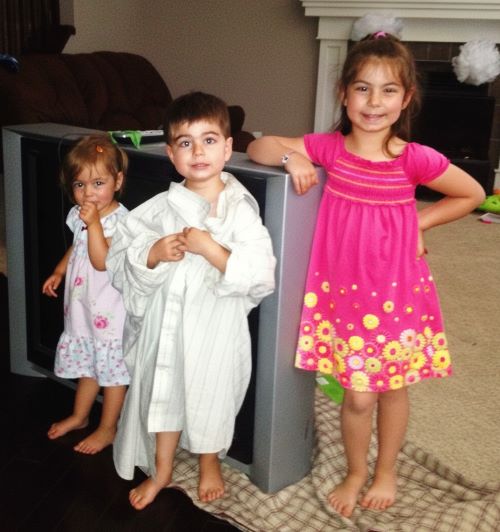
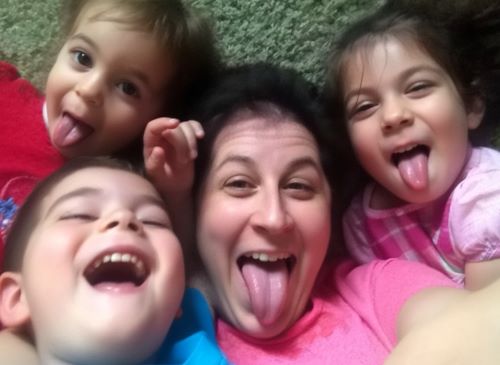
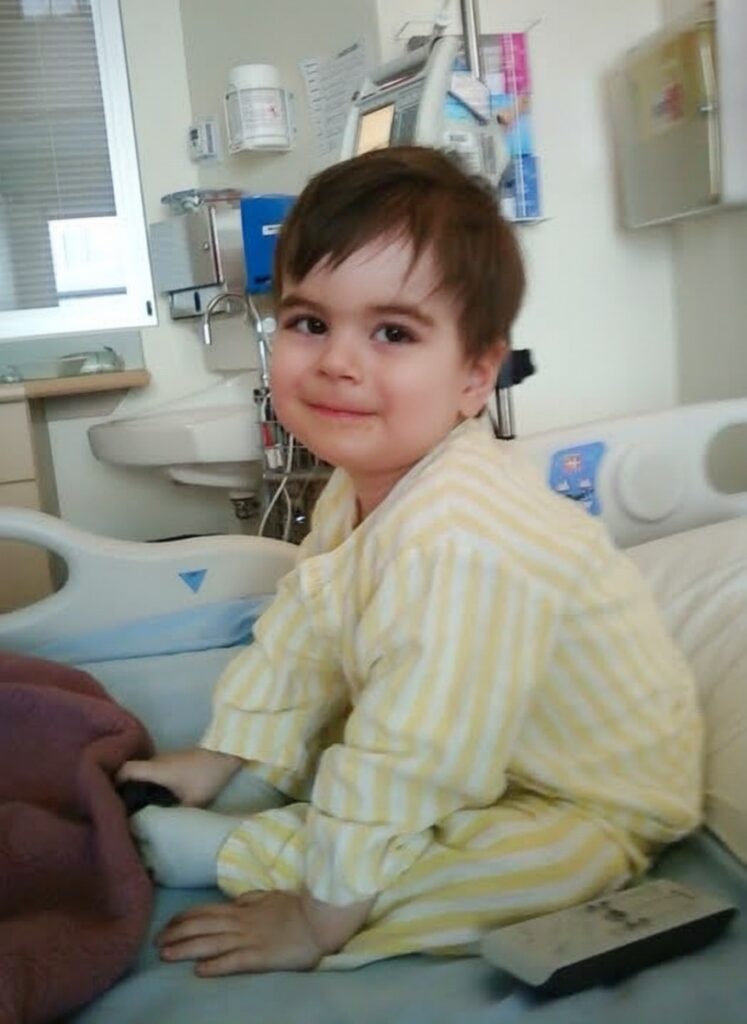
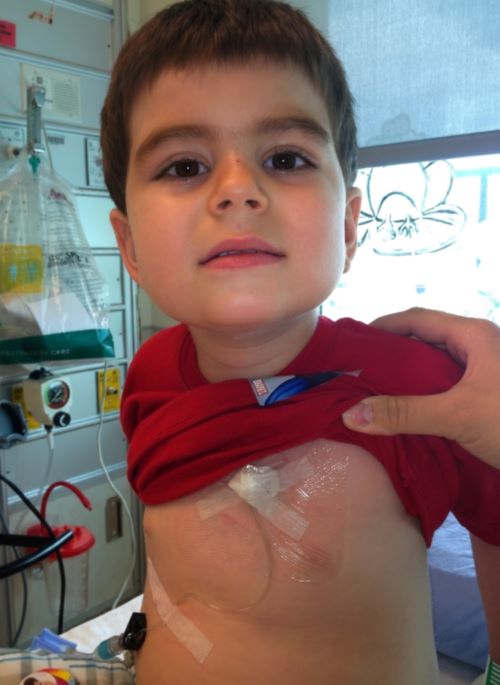
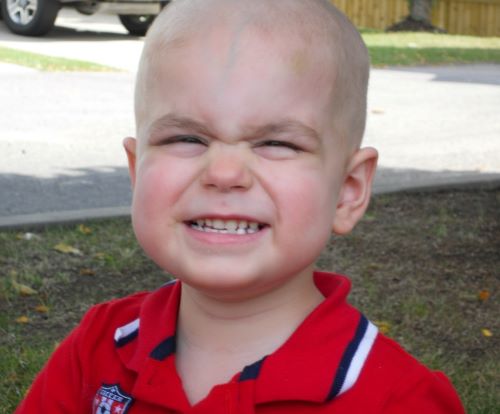
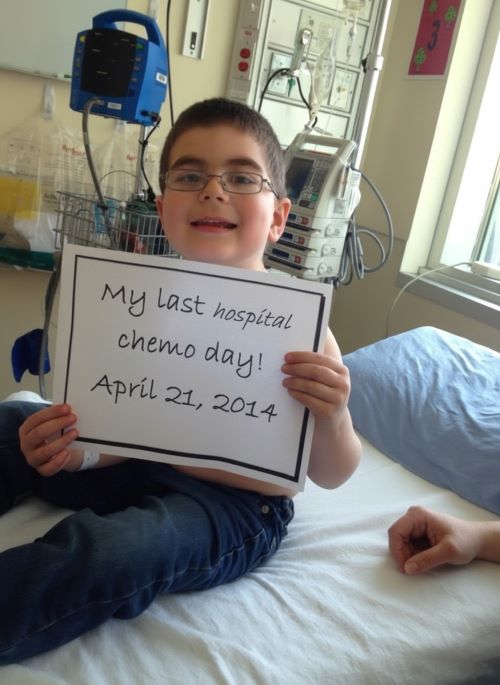
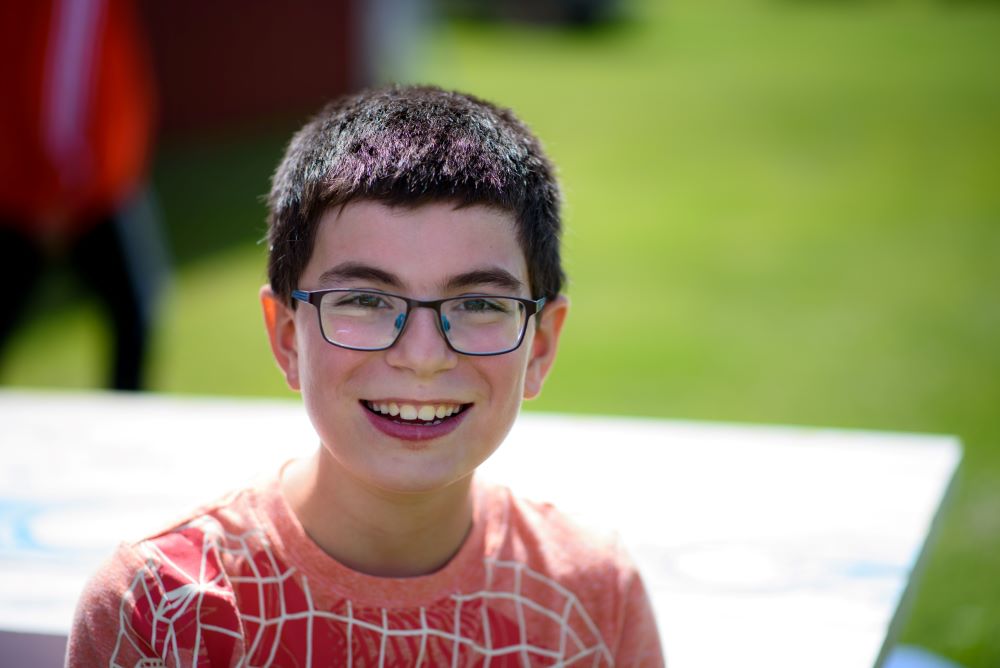
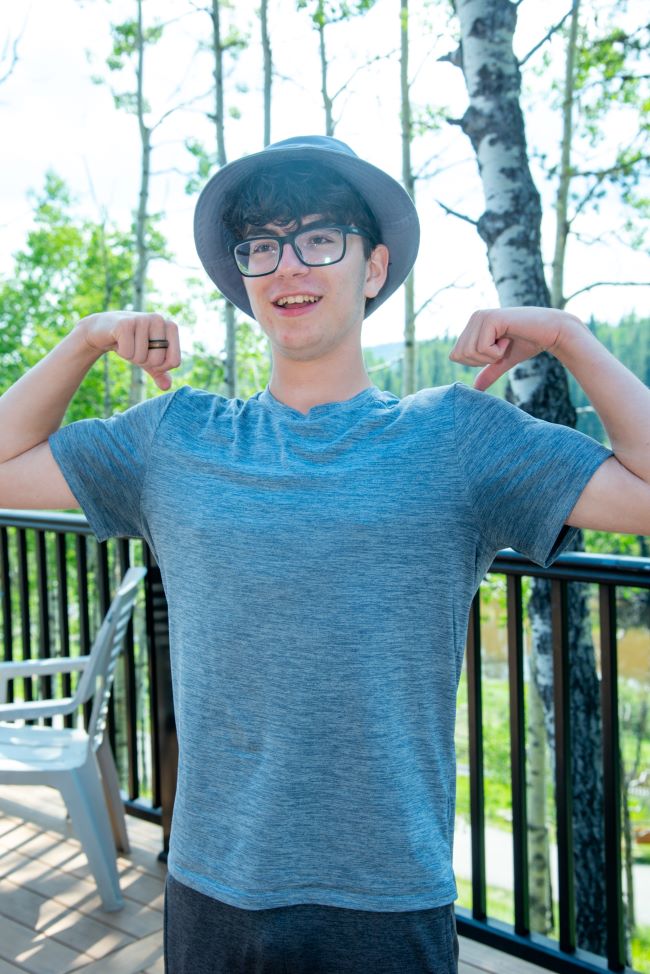
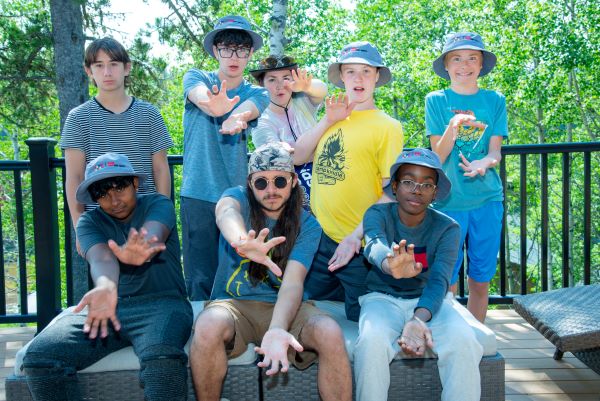
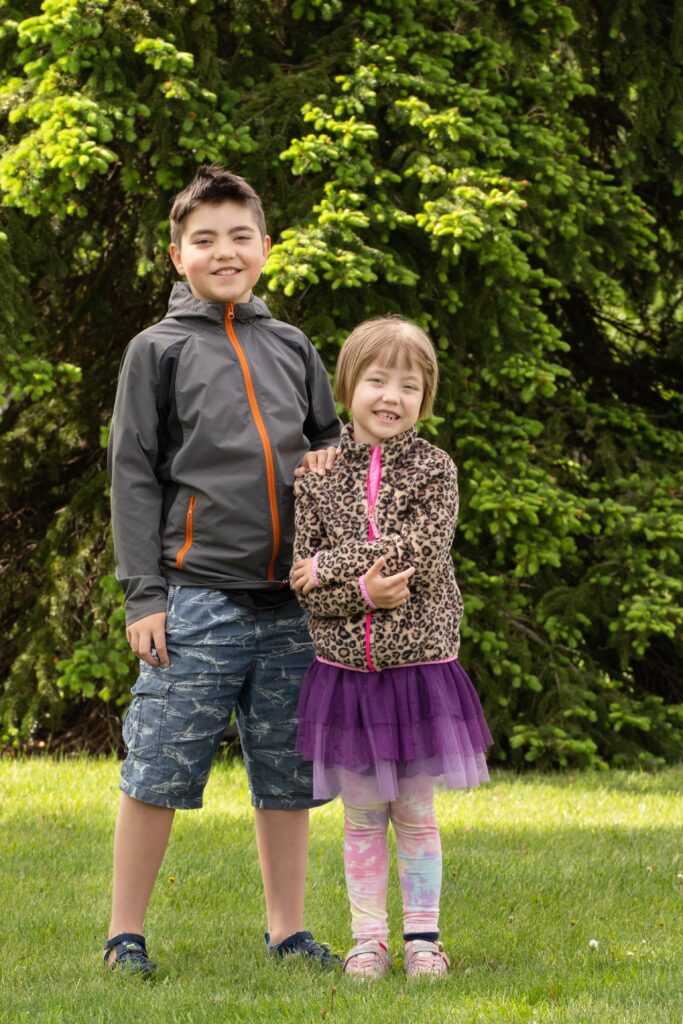
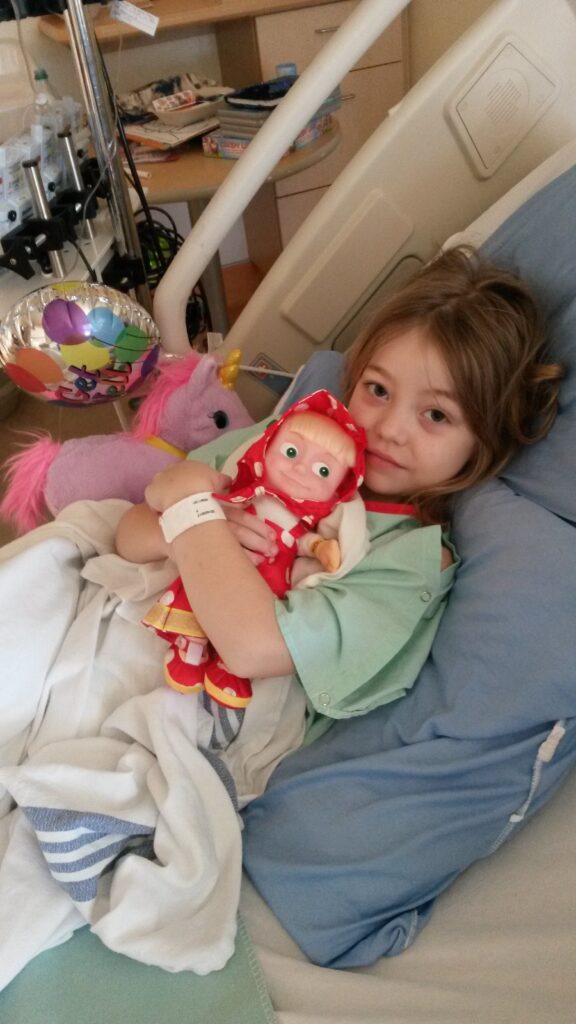
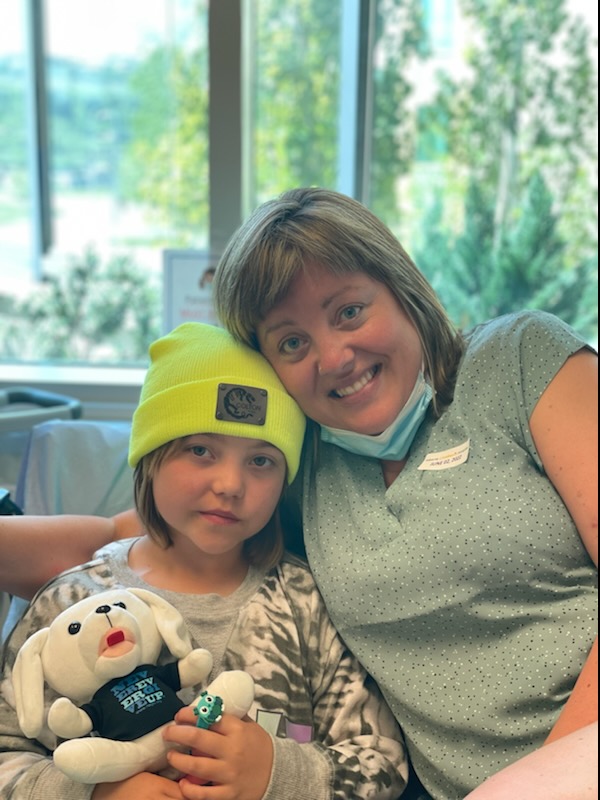
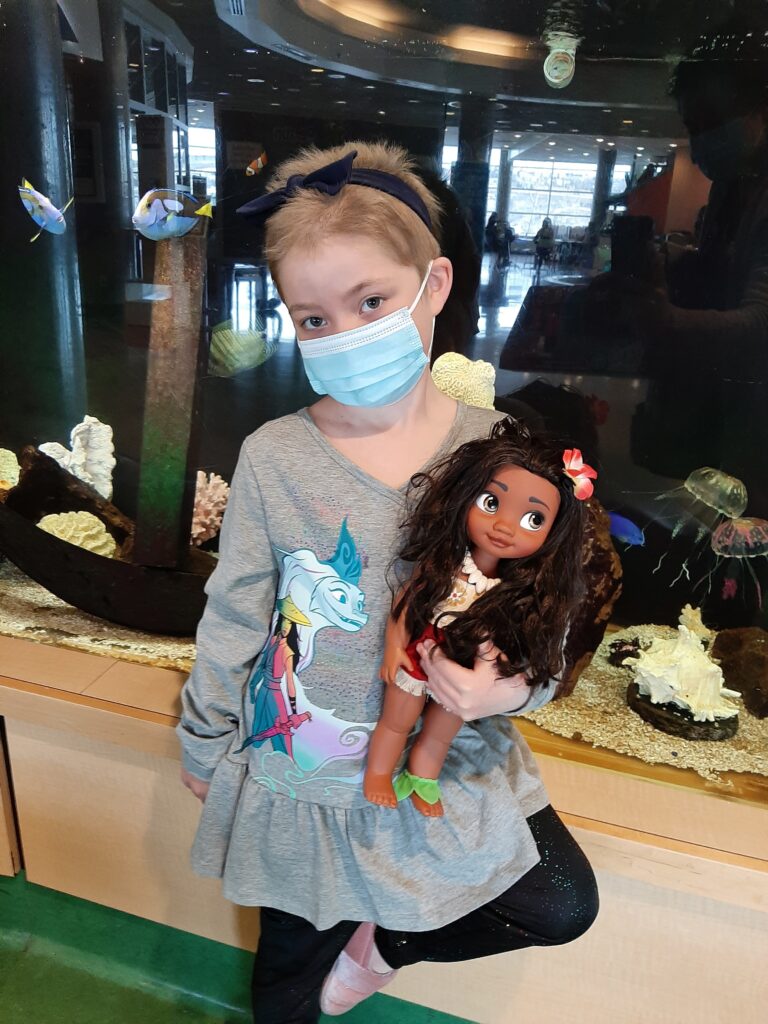
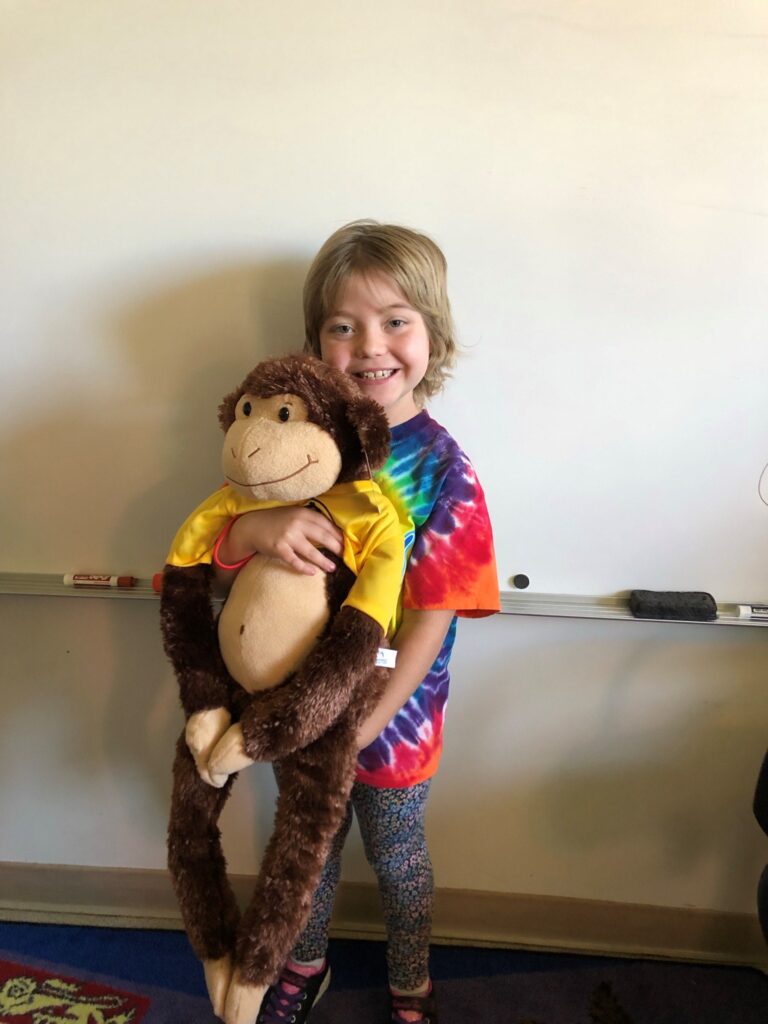
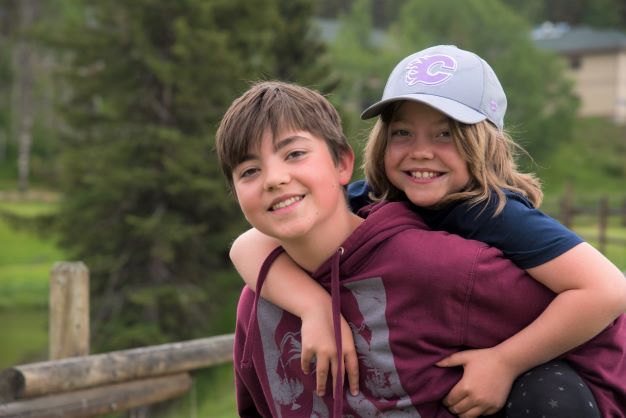
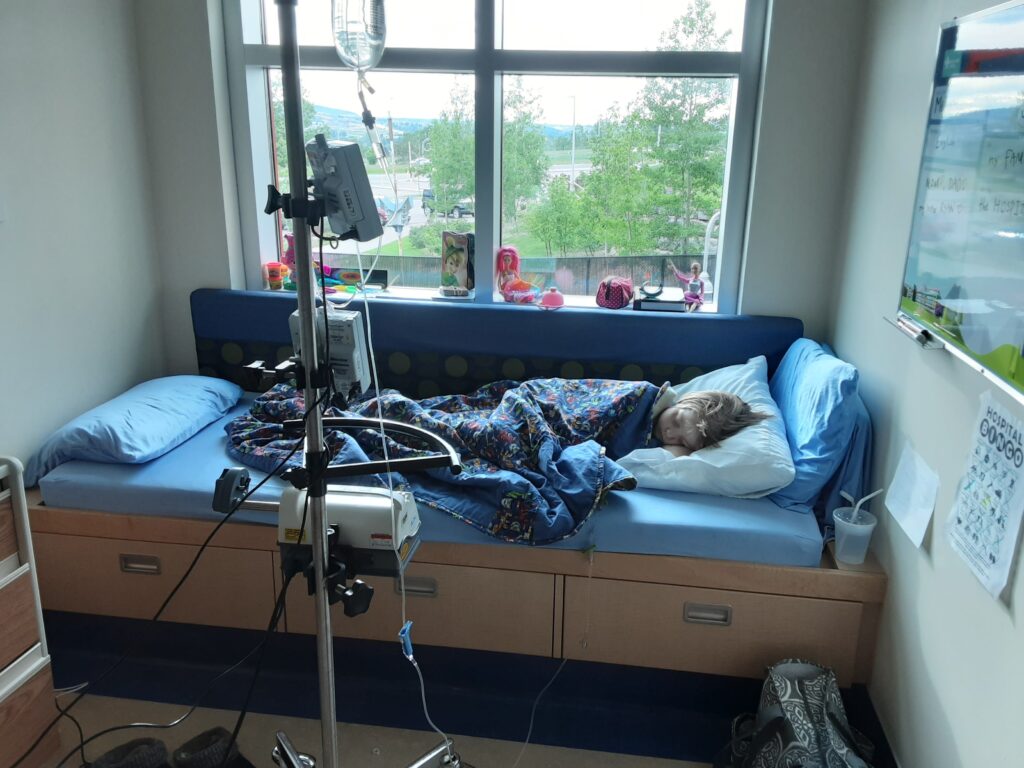
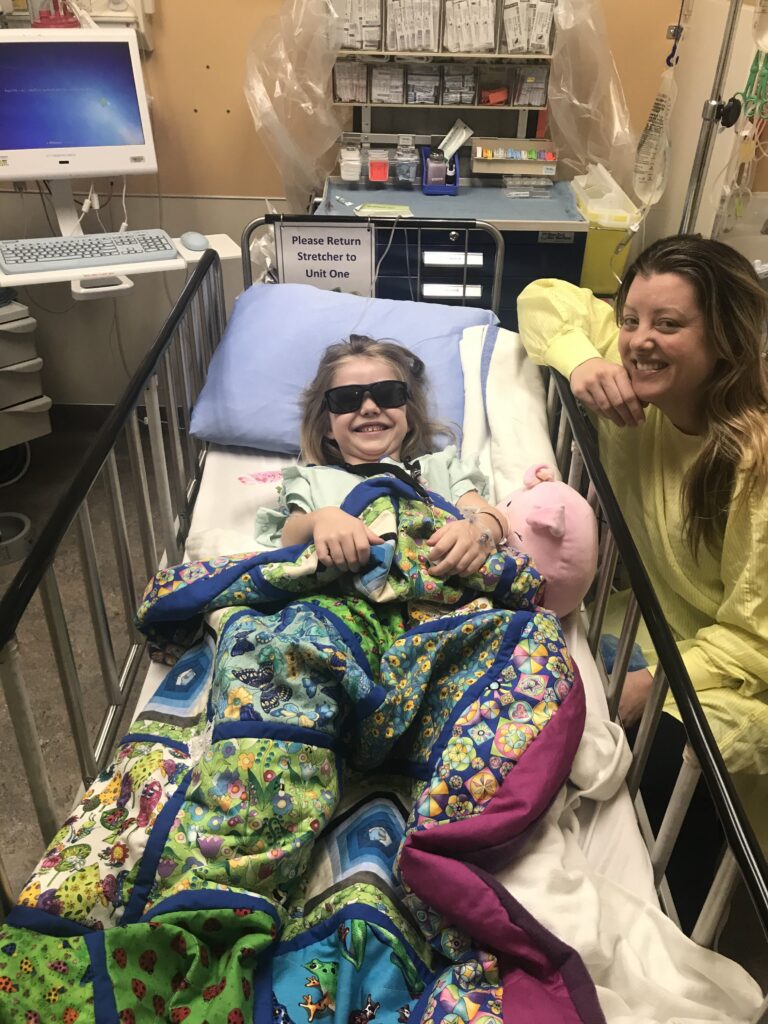
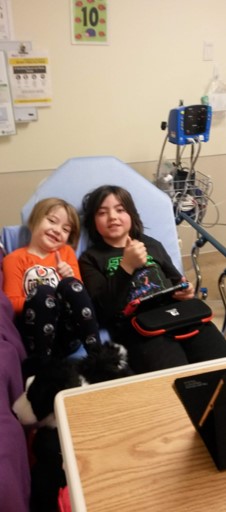
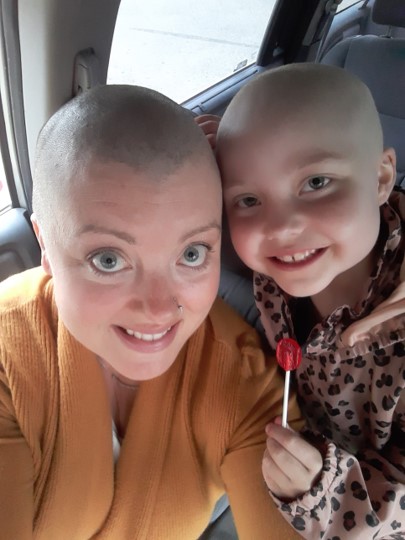
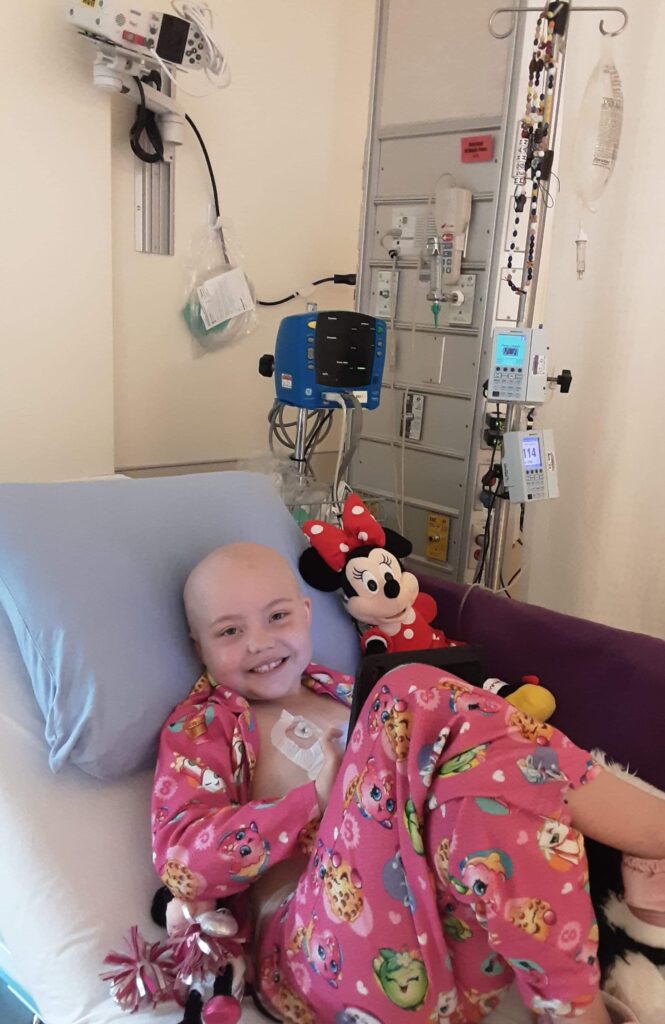
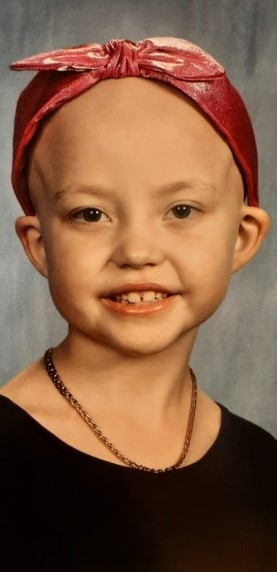
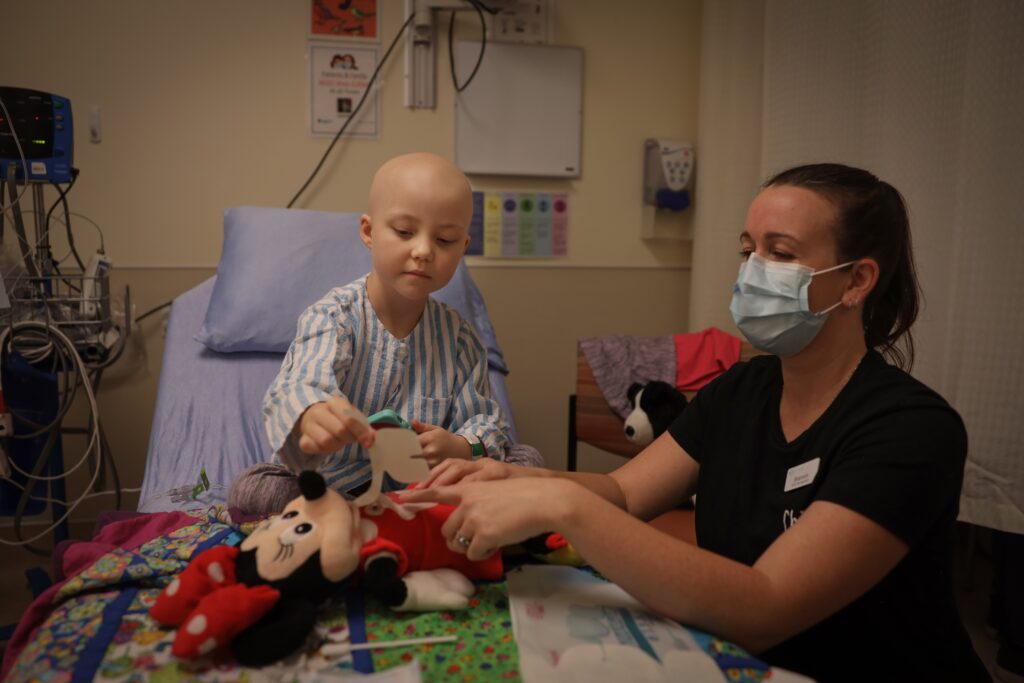
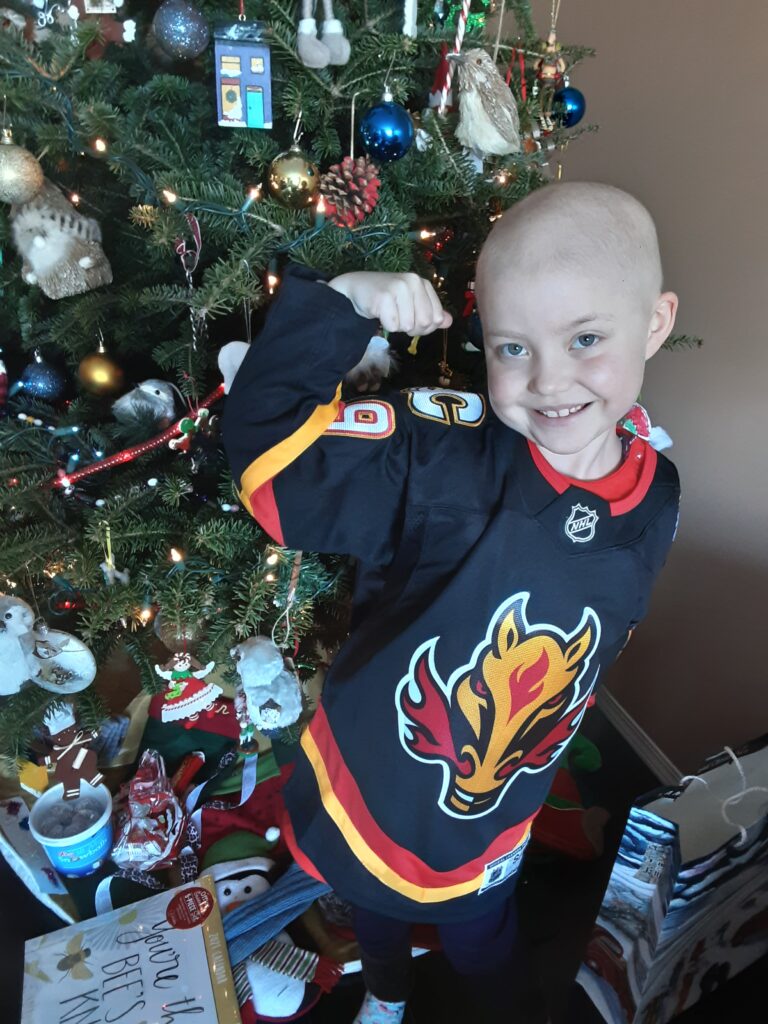
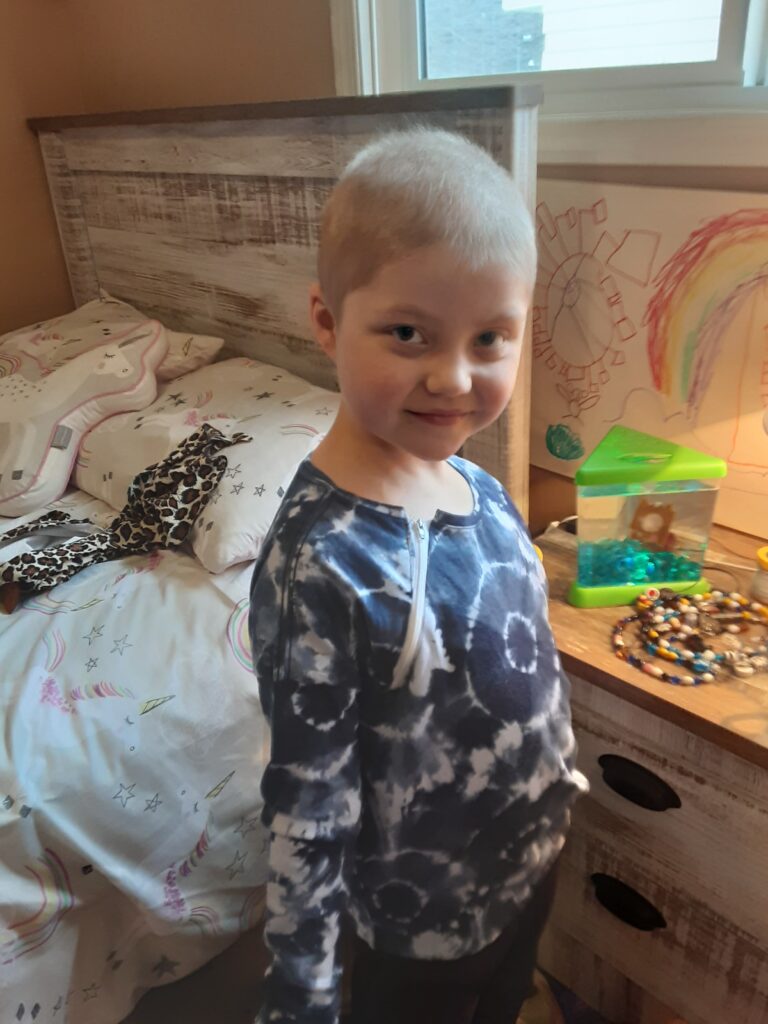
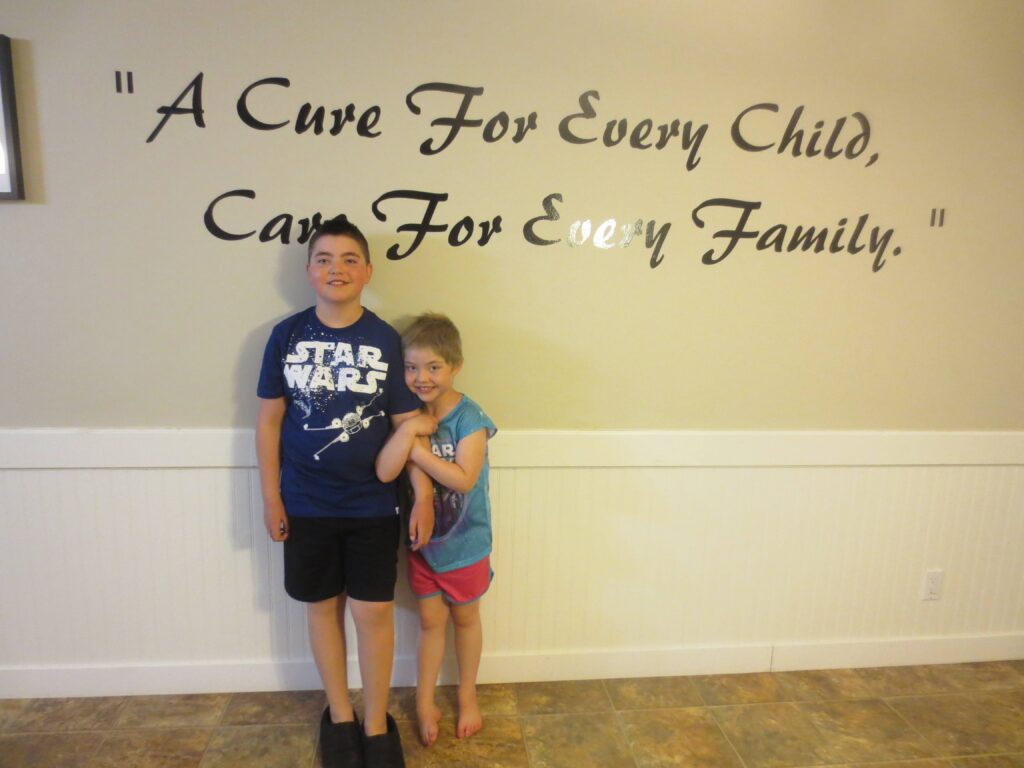
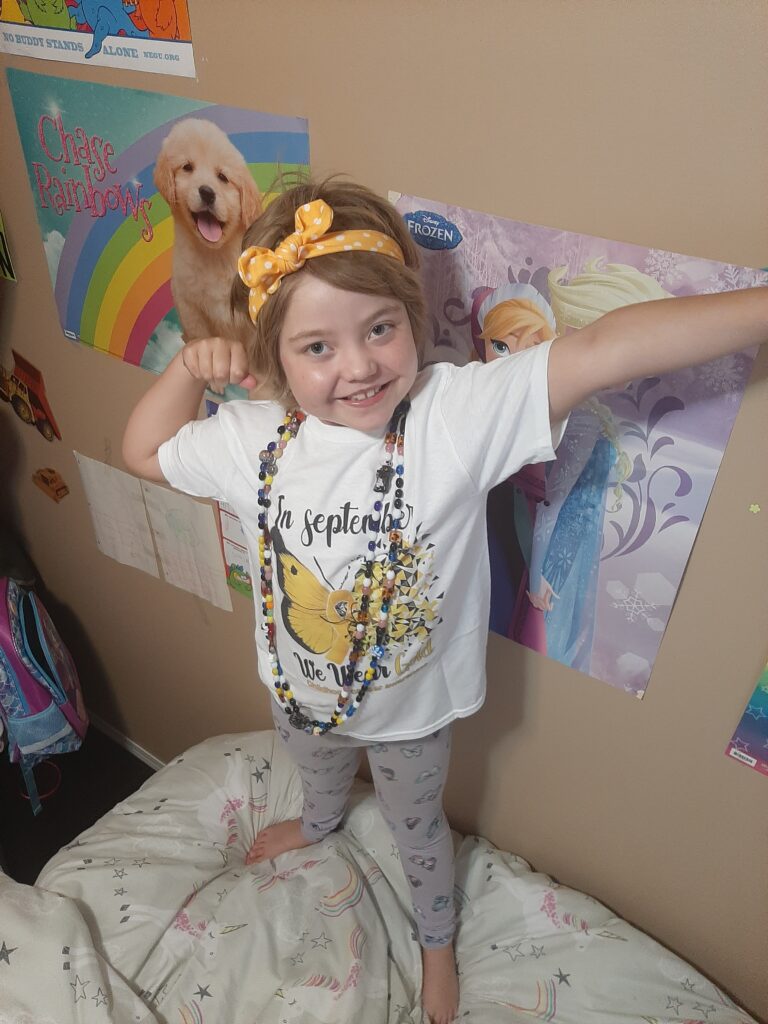
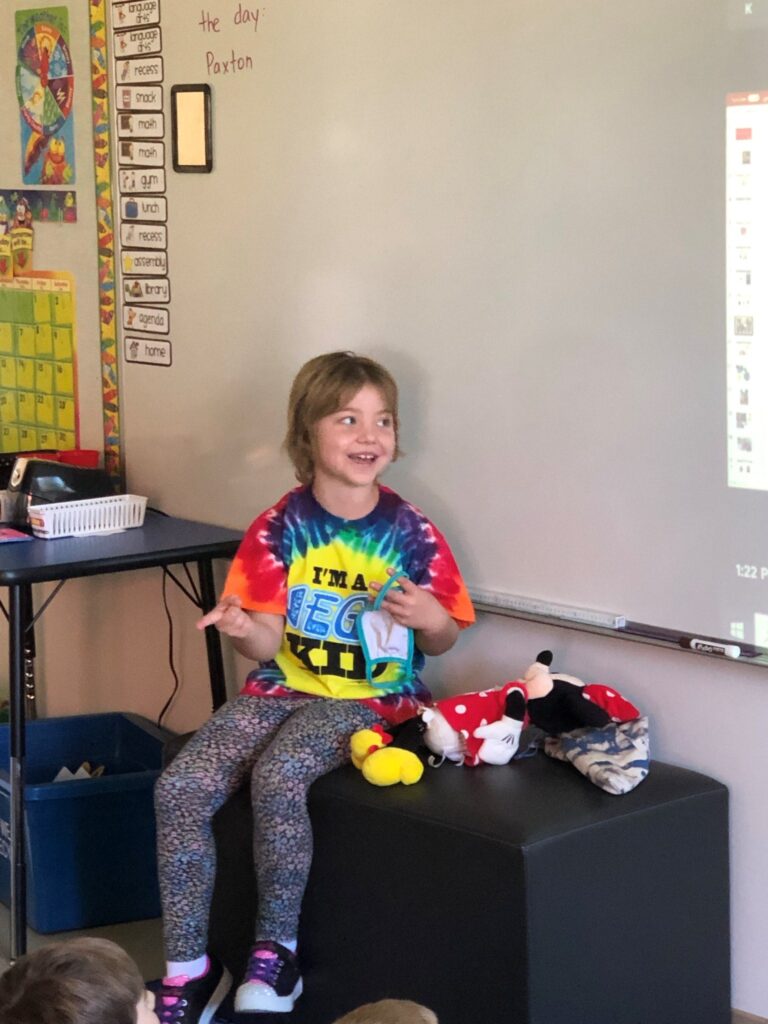
Before cancer, Preston’s family was building a joyful, busy life together. Their days were filled with school runs, soccer practices, and swim lessons. While their daughter Charleigh, who lives with autism, had her own unique needs, Preston was easygoing and full of light. He was the child they never had to worry about.
Life felt steady. Full of possibility.
Then, in November 2023, everything changed.
It started with small, worrying signs that did not seem serious at first. Fatigue, pale skin and cuts and nicks that were slow to heal. During a routine visit, their doctor noticed something that didn’t feel right and ordered further testing. That decision led them to the Alberta Children’s Hospital. Within hours of arriving, their world shifted. Preston was diagnosed with leukemia.
“Within four or five hours, your whole life changes,” says Preston’s dad, Travis.
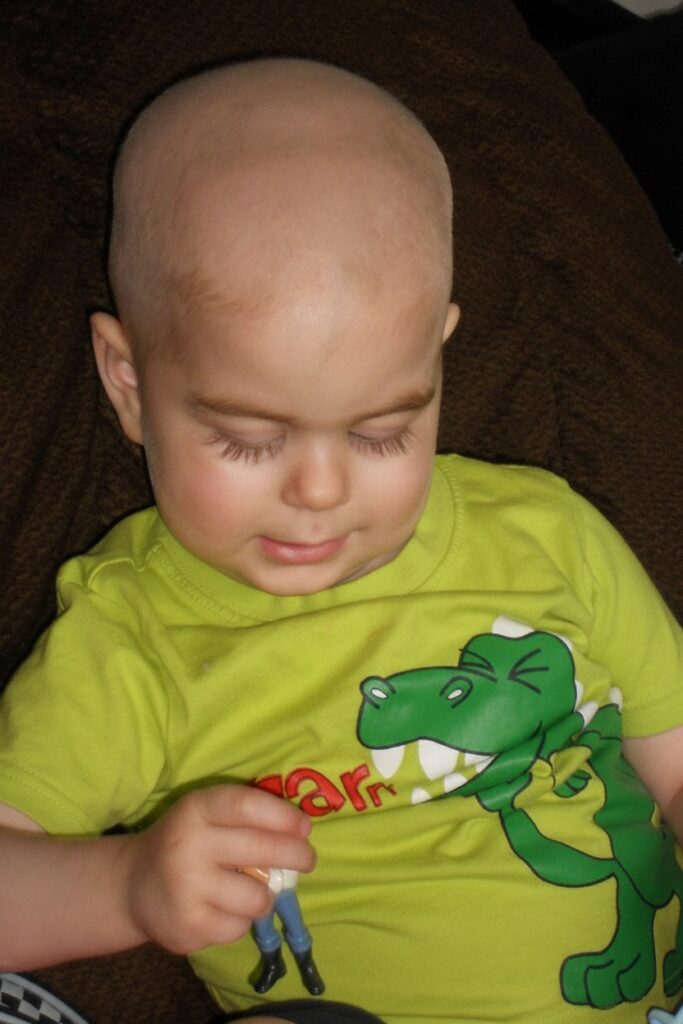
A cancer diagnosis turned their lives upside down. Suddenly, their days revolved around hospital stays, medical procedures, fear and uncertainty. Playdates disappeared and the childhood he knew was put on hold.
For Charleigh, the impact was immediate and overwhelming. Her brother, her best friend, suddenly started going away for long stretches.
“Her behaviours changed drastically and she was really struggling,” Kristin, Preston’s mom, shares.
This is what cancer does. It doesn’t just affect one child. It reshapes the entire family in ways no one is prepared for.
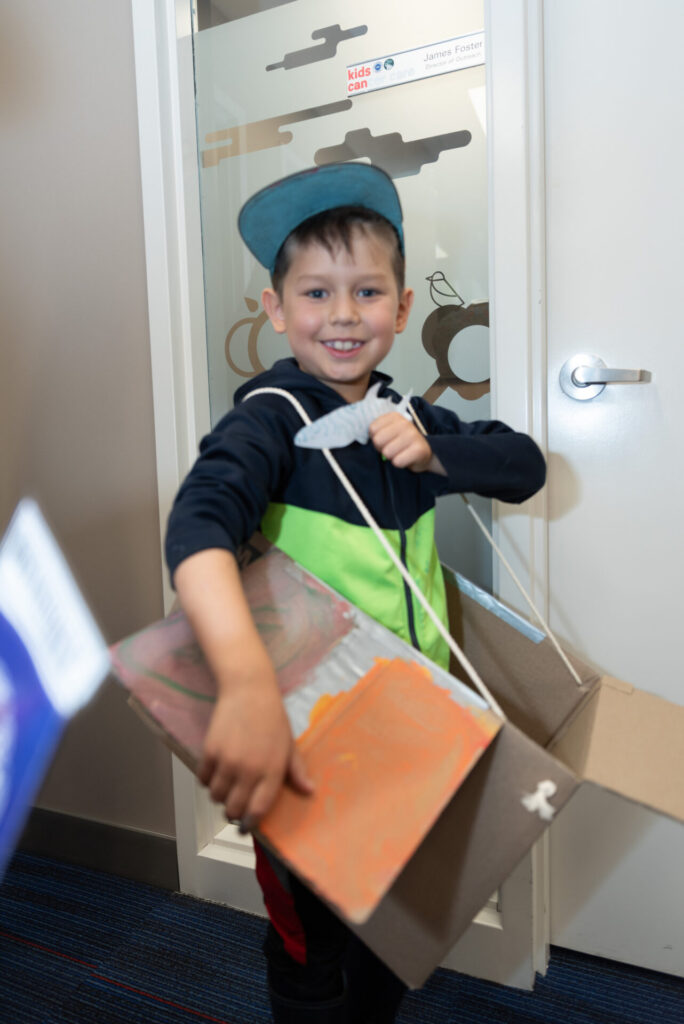
In those early days, everything felt overwhelming. But because of your support, the Siltala family was connected to Kids Cancer Care, and slowly, they began to find moments of relief again.
Charleigh joined our Siblings Program Preston joined our PEER exercise program, and Cancer in the Classroom, a program that helps kids with cancer talk to their classmates about their diagnosis and treatment.
But it was camp, made possible by your generosity, that truly transformed their journey.
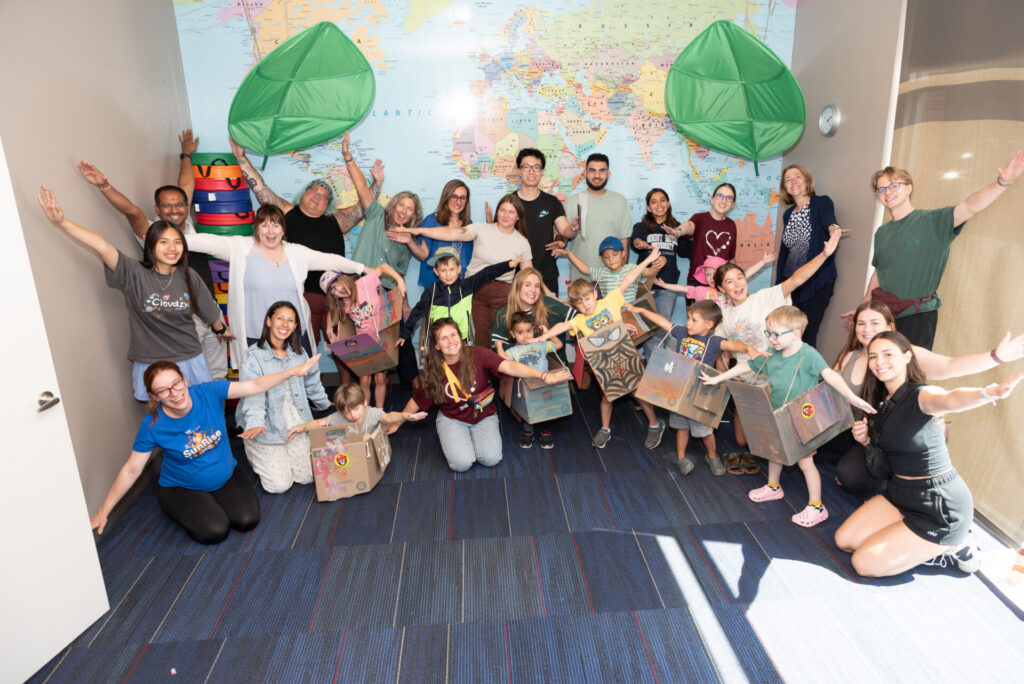
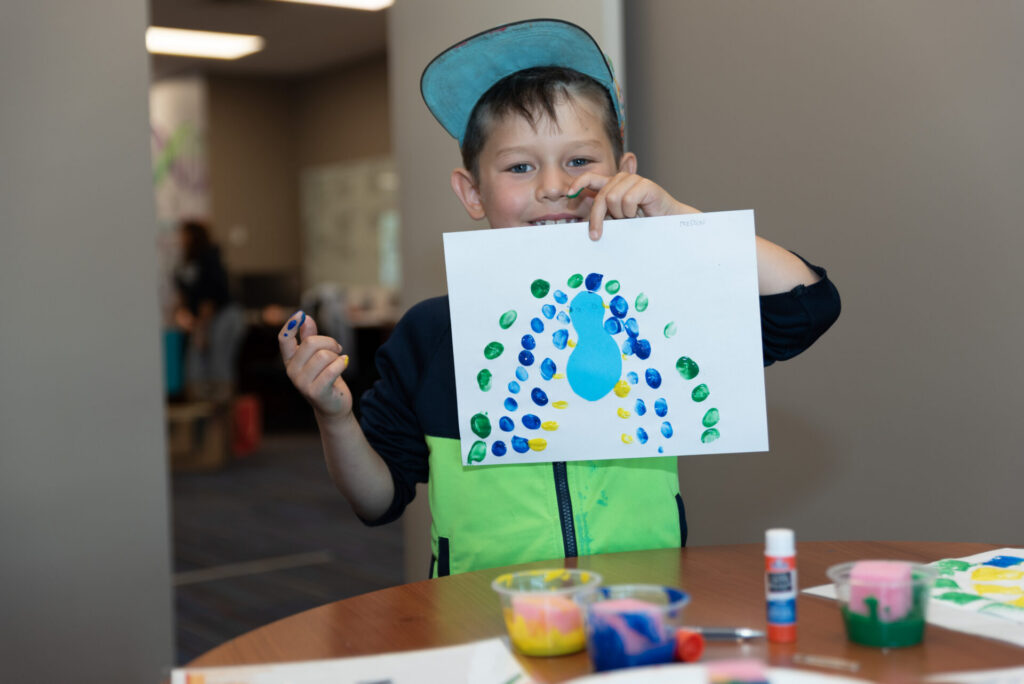
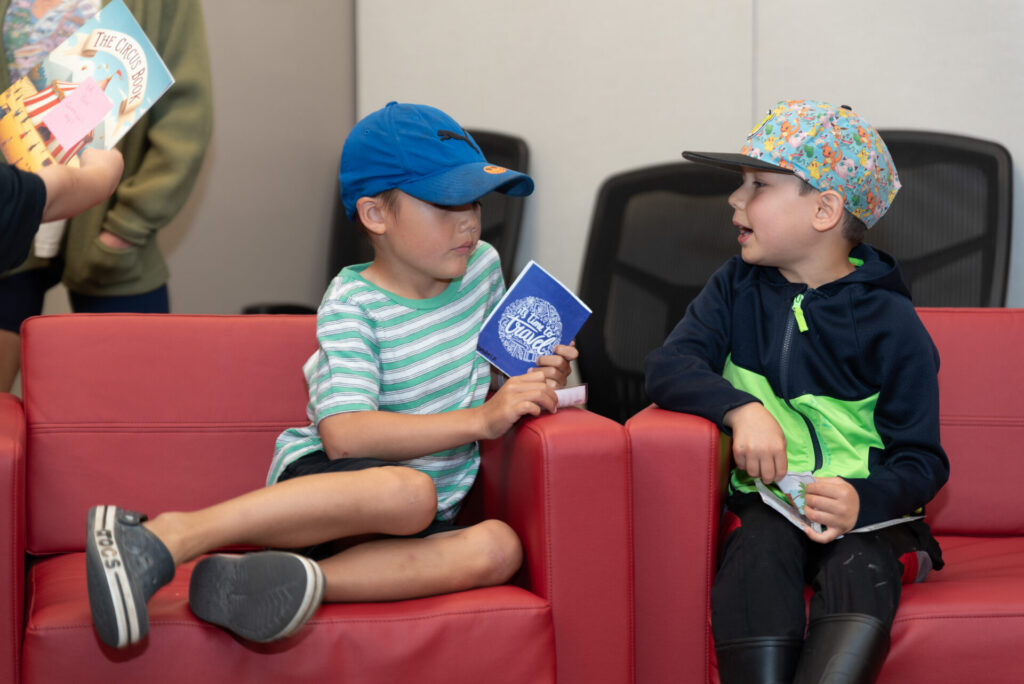
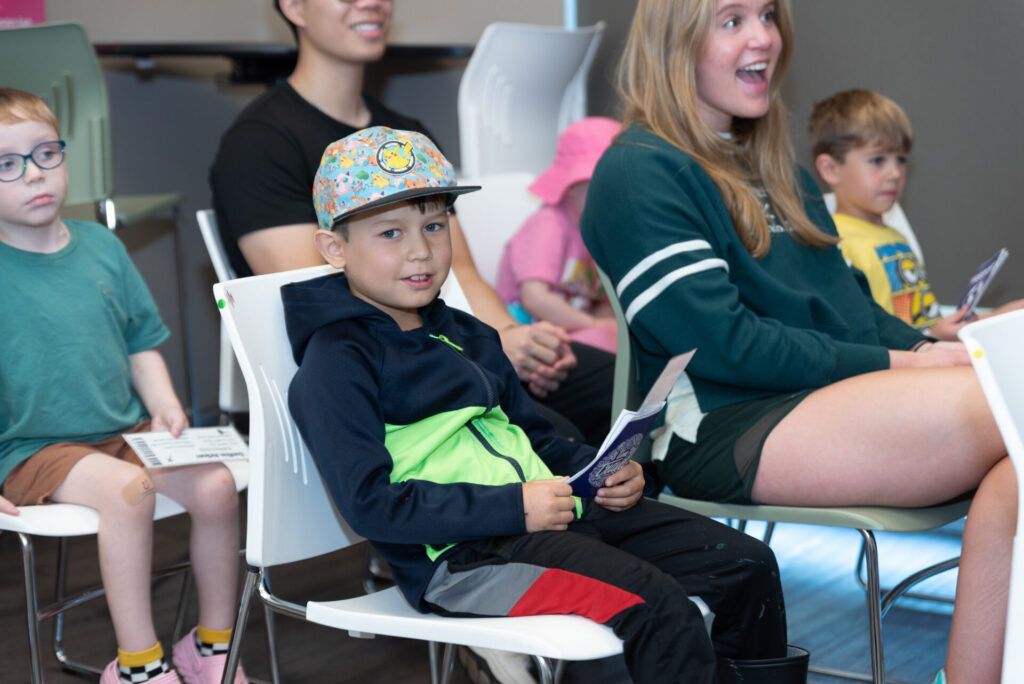
After months of hearing “no” to everything — no swimming, no playdates, no normal childhood — Preston finally got to hear “yes.” Because of you, Preston experienced the joy of SunRise, a day camp in Calgary for little ones. He laughed, played, and connected with other children.
“At SunRise, he could just be a kid again,” says Preston’s mom Kristin. “Every day, he came home excited, full of stories. He realized he wasn’t alone.”
For Charleigh, Camp Kindle became just as meaningful. What started as a difficult emotional journey turned into a place of comfort and belonging. Even months later, she still treasures letters from camp, reading and re-reading them as reminders that she is supported and understood.
But none of this happens without you. Right now, there are children like Preston who are still in treatment. Still isolated. Still missing out on the simple joys of childhood.
This summer, both Preston and Charleigh are heading back to Camp Kindle. They will return to a place where they can reconnect with friends. In addition to all magical things at camp, this year they’ll experience the new spaces including Shane Homes Treehouse Village, Christine’s Conservatory, vibrant, outdoor and accessible percussion playground, supported by Morrison Homes and much more, spaces built to spark joy, creativity, and healing.
The entire family has also experienced that joy together at Family Camp. Sitting around the campfire, belting out sing along songs and sharing laughter together, are some of their favourite memories.
“It was the first time we could talk about cancer without the conversation stopping… everyone just understood,” says Travis.
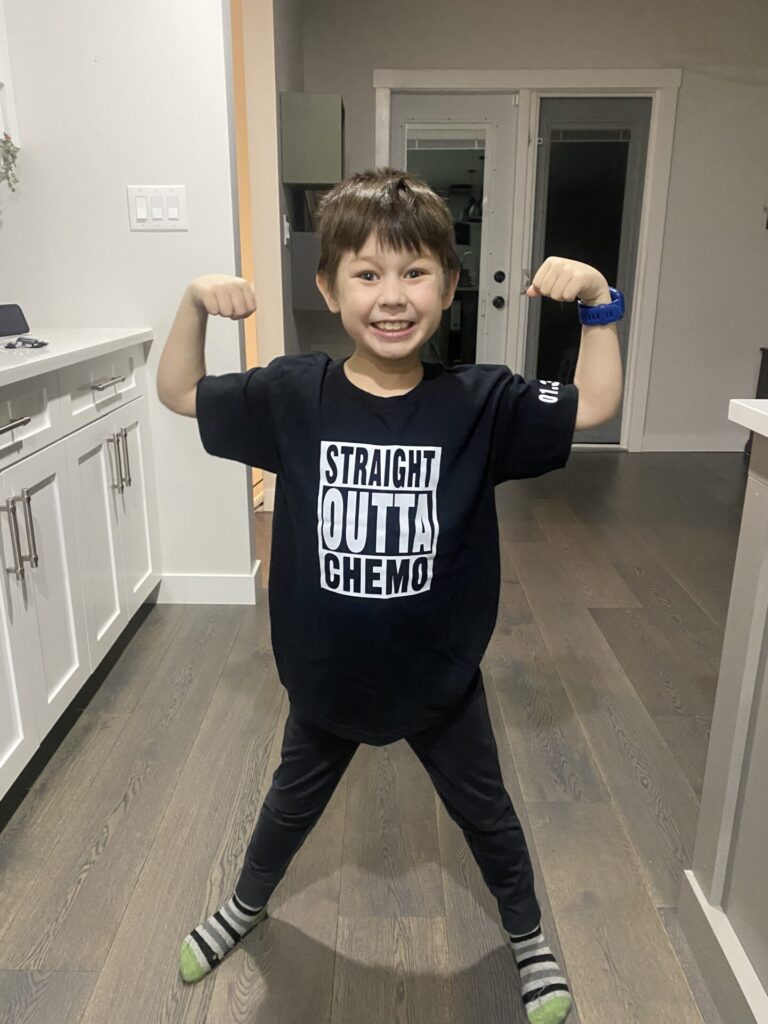
Today, Preston is in remission and life is slowly finding a new rhythm. But what carried them through was connection, community and moments of joy made possible by you.
Kids Cancer Care did not just help Preston through cancer. With you at our side, we helped his entire family find their way forward.
“Cancer taught me how quickly life can change. And Mexico taught me how little we actually need to be grateful. And Leadership taught me that surviving something hard isn’t the end of your story. It’s the beginning of your responsibility.” — Caleb
Caleb
Before I was old enough to tie my shoes, I was known as the “sick kid.” I was two and a half years old, always tired, constantly crying. Too tired to walk up the stairs. While doctors dismissed my parents’ concerns as a typical toddler illness and fussiness, my parents saw the truth in my eyes: I was not well. Eventually, one doctor got frustrated and told my dad, “We know when kids are sick. He’s fine.”
But I wasn’t fine.
As you can imagine, I was much too young to remember most of it, so I bring this story through the eyes of my father. He and my mother remember all too well the weeks leading up to diagnosis and the treatment that followed.
The turning point came one Sunday during a church function when a family friend, who is a nurse, said, “He doesn’t look too good. Why is he here?” She told us to “get to the Alberta Children’s Hospital tomorrow for bloodwork.”
On our way home from that appointment, we stopped to get cheeseburgers because I had endured my first needle. When Mom walked in the door, the phone was filled with messages from the hospital, telling her to turn around immediately and go back.
When Mom called Dad, he said, “Swing by my office and grab me on the way.” After dropping off my sisters Sophie and Lucia at our grandparents’ place, we drove back to the hospital. Stealing glances with each other, my parents secretly thought it must be cancer.
They didn’t have proof. They didn’t have a diagnosis. But they had that parental instinct. Something was seriously wrong.
As soon as we walked into the emergency room, a nurse grabbed me from my dad’s arms and ran. My heart rate was out of control, and the doctors were trying to keep me from going into cardiac arrest. It was only later that we found out how severe things were. If we’d been any later, I wouldn’t be here today.
That was day one.
From there, everything moved fast. Blood transfusions. Tests. And then the words no parent wants to hear: “Acute lymphoblastic leukemia.” The treatment would require nearly four years of chemotherapy.
My father remembers the long silence of those days—and the moments that broke it. He recalls sitting in a dark hospital room, holding me on his lap. He noticed I was covered in some sort of moistness. He just assumed I was sweating because I was so sick.
When a pediatrician came into the room and turned on the lights, they realized I wasn’t sweating. I was bleeding. Blood was seeping from the bone marrow biopsy sites where they had taken blood to test for cancer. Doctors rushed in. Nurses pressed down hard on the wounds to stop the bleeding. I was screaming and fighting because I didn’t understand what was happening.
Then suddenly, a nurse came in, singing a nursery song. I stopped. I locked eyes with her. And in that small moment of calm, they were able to help me.
Moments like that saved my life more than once.
One night my parents were able to bring me home for the weekend. This night was special because I would be sleeping in our new house for the first time. There were mattresses on the floor and boxes everywhere. The smell of a fresh start was in the air.
But as the evening wore on, I became lethargic, quieter, and less excited, but I didn’t have a fever, and they told us not to come back without a fever. So my parents lied. They said I had a fever. When we got back to the hospital, I crashed. The doctors told my father to call my mother to tell her I would not make it. My parents thought they had lost me.
Three excruciating hours later, I woke up hungry. That became a pattern too. Collapsed lungs. Pneumonia. Infections. Scares. A pinched bowel from an inflamed appendix. Doctors arguing about whether surgery would kill me or save me. My lungs full of fluid. My body weak—but somehow still fighting.
Through this, I developed a high tolerance for pain. There were a lot of pretty nurses, so I had to perform a little bit. Except for needles. No beauty could stop my fear of needles.
And then one day, a nurse looked at me and said, “You’re a big guy. You’re not going to cry in front of me, are you?” I decided she was right. I stopped crying when I had needles. I still hated them. But I stopped crying.
Somewhere in all that chaos, I started becoming strong. Not just physically. But mentally. Eventually, I finished treatment.
L-R The Crosby family, Vince, Caleb, Sophie, Audrey & Lucia.
But surviving cancer doesn’t mean everything just goes back to normal. Fear lingers. Anxiety lingers. The question “What if it comes back?” lingers.
Around this time, we were introduced to Kids Cancer Care. At first, I didn’t want to go Camp Kindle. I was scared. I held my older sister Sophie’s hand the whole way there. Probably the first and only time I’ve ever held her hand.
Within five minutes of arriving, I disappeared, already mingling with all the new people. For the first time in my life, I was surrounded by kids who understood without explanation. They had scars, too. They had chemo ports, too. And they had stories too.
When that first week of camp was over, and my parents came to pick me up, I cried. Not because I was scared, but because I didn’t want to leave.
Camp Kindle is now a summer tradition for my sisters and me. I go back every year, because it reminds me that I’m not alone, and it’s introduced me to plenty of wonderful people and friends.
After my treatments started to finish, my family received a Wish Trip to France. For the first time in years, we weren’t waiting for lab results. We weren’t sleeping in hospital chairs. We weren’t bracing for bad news. We were just a family. Healing. Laughing. Living. That trip didn’t just give us memories. It gave us space to breathe.
As I got older, I joined the Teen Leadership Program (TLP) through Kids Cancer Care. TLP is a leadership program that helps teens affected by cancer develop leadership and transferrable life skills. At first, I didn’t want to go. Growth is uncomfortable. But TLP pushed me to step out of my comfort zone. It taught me how to speak up. How to lead. How to serve.
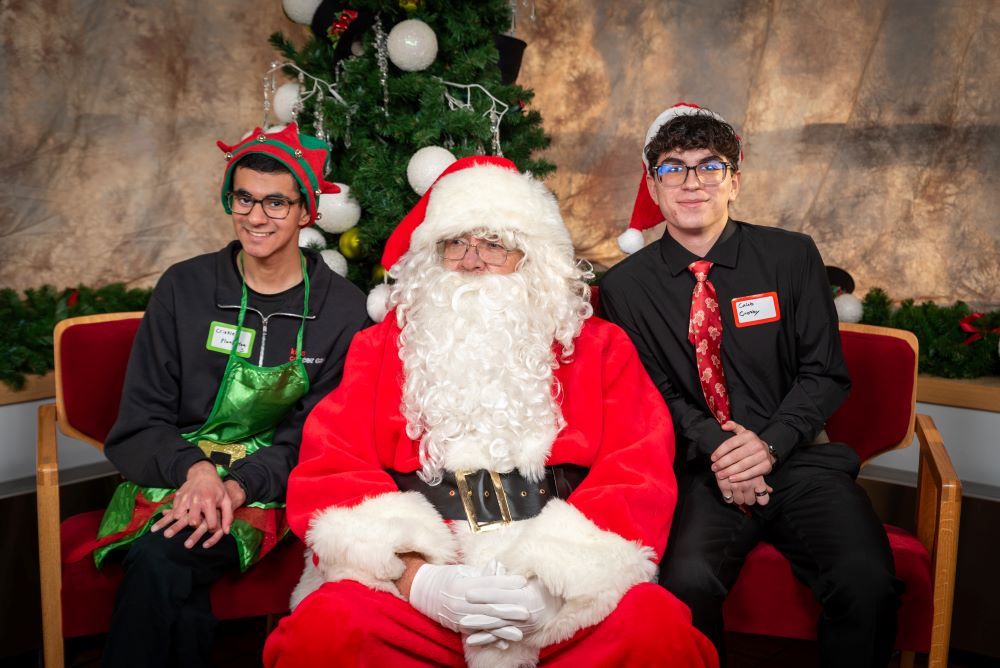
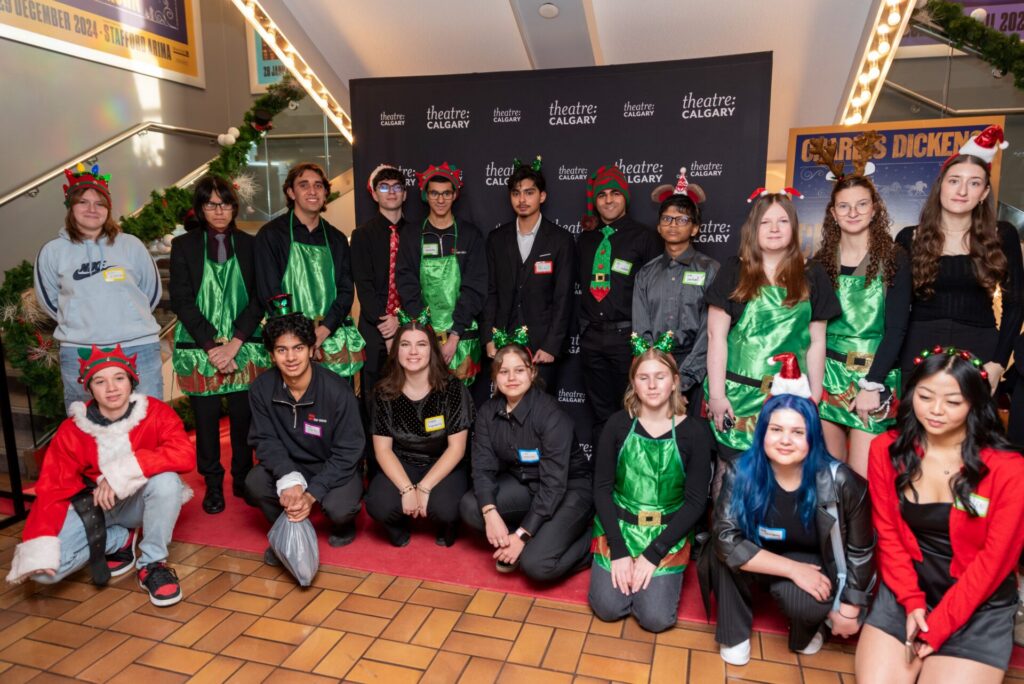
L-R Sameer and Caleb volunteering with the Teen Leadership Program at our annual Cool Yule event at Theatre Calgary.
Last year, I went on a volunteer service trip to Mexico with TLP. I almost didn’t go. I came up with every excuse I could. But I went. And what I saw changed me.
I saw families living on almost nothing—beans and rice most days. Meat only once a week. Houses made of whatever materials were available. But they were happy. Not pretending. Not bitter. Genuinely joyful.
That experience gave me perspective. Cancer taught me how quickly life can change. And Mexico taught me how little we actually need to be grateful. And Leadership taught me that surviving something hard isn’t the end of your story. It’s the beginning of your responsibility.
I used to think my story was about cancer. Now, I know it’s about resilience. It’s about the nurse who sang. It’s about parents who refused to ignore their instincts. It’s about doctors who fight for us. It’s about a camp that builds confidence. It’s about service that builds perspective. It’s about choosing courage—even when you’re scared.
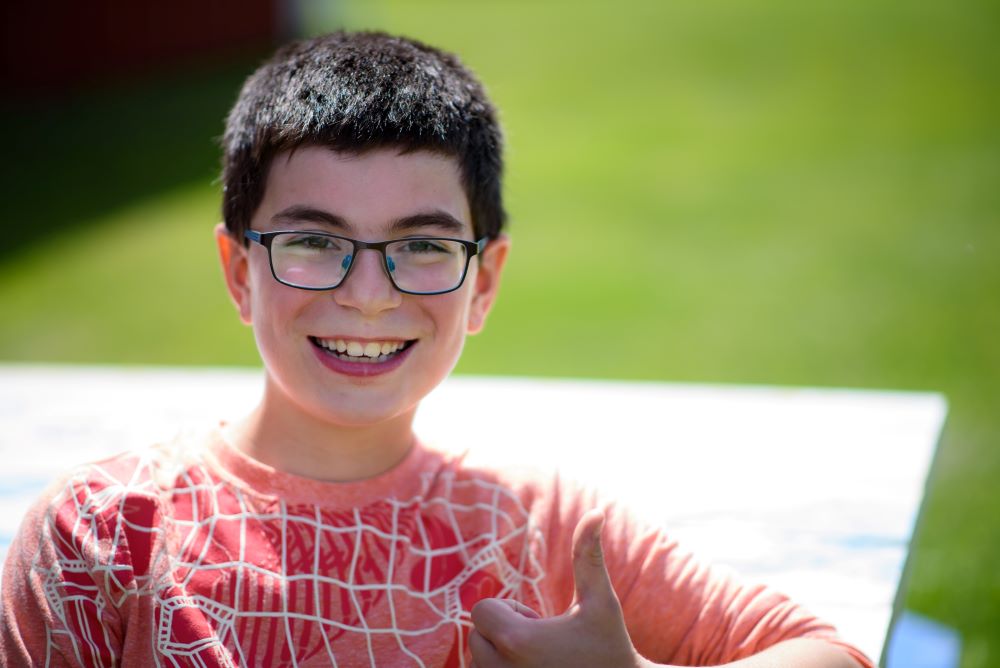
I don’t remember most of my treatment. But I live every day because of it. And now, at 17, I get to choose what I do with that gift. A gift that cannot go to waste. Whether I choose to use it to lead or to serve, I choose to live with gratitude, because I’m not just a survivor.
~ Caleb
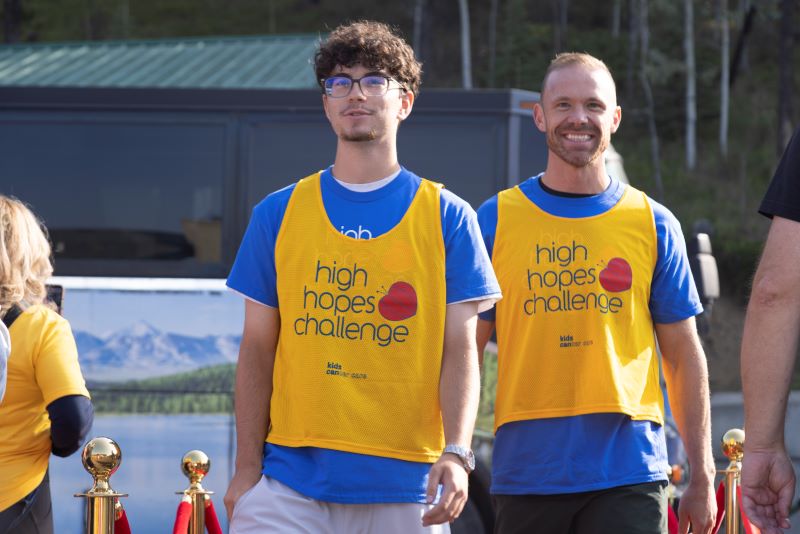
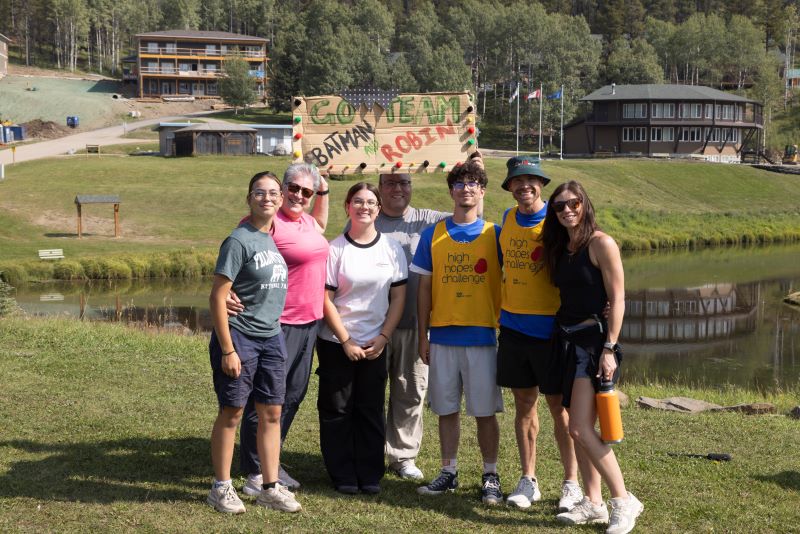
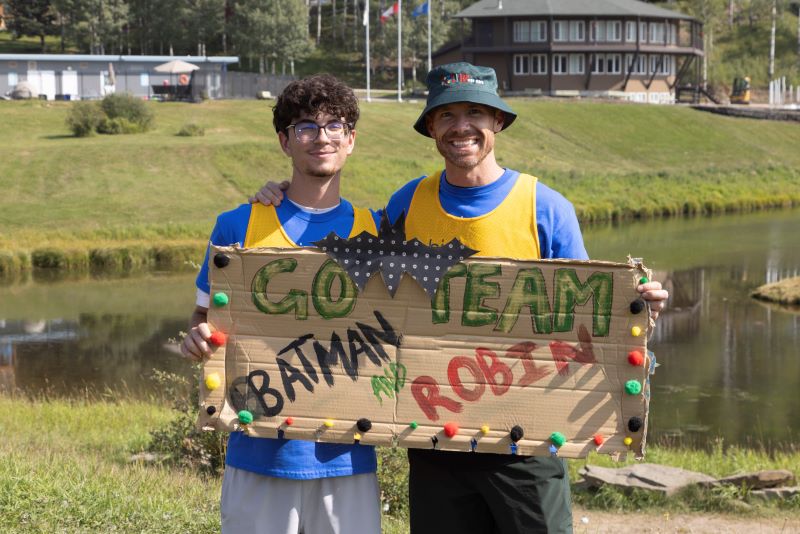
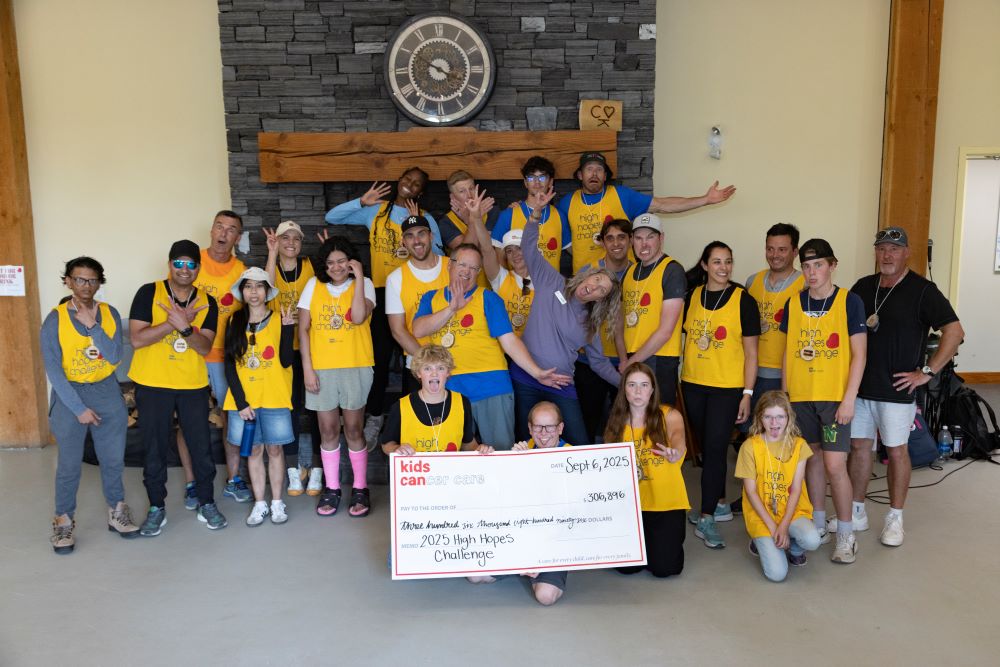
Caleb at the 2025 High Hopes Challenge, raising funds to send kids with cancer to Camp Kindle.
Photo gallery
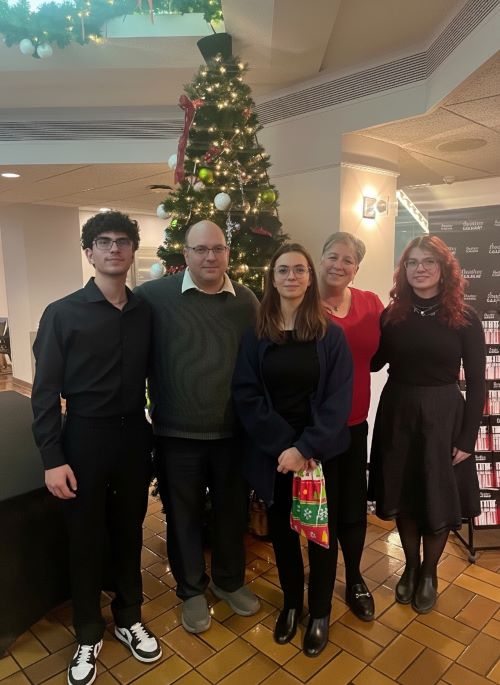
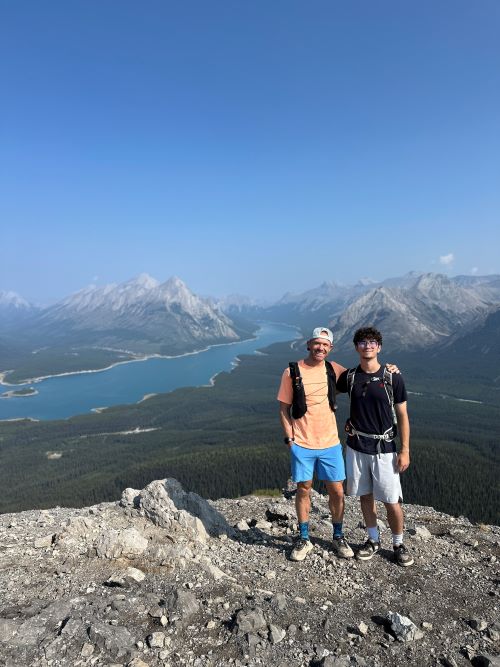
L-R Caleb, his father Vince & mother Audrey with his sisters Lucia & Sophie.Caleb, Audrey & Lucia & Sophie before diagnosis.The Sibs! Lucia, Caleb & Sophie. Silly moments with family are the best.Caleb.Caleb with his chemo portCaleb sporting his new look.Four years later, finally!Caleb at Camp Kindle, 2019.Caleb at camp, 2023.Caleb with his camper group.2024 Teen Leadership group.The Crosby family at A Christmas Carol.Caleb & Nate competed together in the 2025 High Hopes Challenge.Nate & Caleb hiking.The whole family came out to camp to cheer Caleb on in the High Hopes Challenge!Caleb & NateThank you for making childhood possible for kids affected by cancer.
We are the Haggas family.
Parents: Mark and Sue, children: eight-year-old
Meghan and eleven-year-old big brother Ryan. Pets: Edalynn the Beta Fish,
Toothless the Leopard Gecko, and beloved family dog Nurse Treasure. This is our
story of childhood cancer during the COVID-19 pandemic.
On February 11, 2020, our lives changed the day our five-year-old daughter Meghan was diagnosed with high-risk pre-B acute lymphoblastic leukemia (ALL).
The day after our son Ryan’s
birthday in early February, Meghan developed a bad cold. We thought nothing of
it until 10 days and a few nosebleeds later, the cold showed no signs of
letting up. We took Meghan to a walk-in clinic, thinking it was tonsillitis. The
doctor put her on some antibiotics, but she wasn’t getting any better.
Ryan and Meghan
The morning of February 11, 2020, I was at home running my daycare business, with Meghan keeping me company. She was sad to have missed out on her kindergarten field trip to the Red Deer Hospital that day due to her cold. My husband had just dropped Ryan off at school. No sooner had he done that than I was calling to ask him to come home as Meghan was having another nosebleed. On the advice of HealthLink, my husband took Meghan to the emergency centre at the Red Deer Hospital. I contacted my day home family to inform them I was closing for the day and drove to the Red Deer Hospital to meet up with Mark. Meghan was sent for a chest X-ray and blood work. Mark left the hospital to pick up Ryan from school as we figured it would take a while to receive the test results. We would meet them at home probably with a prescription of antibiotics for Meghan.
I was alone in the hospital room of the ER ward with Meghan when the doctor came in. Closing the door behind him, he sat down across from us. He said the chest X-ray results were clear, but the blood work was abnormal. Then he immediately told me it was cancer, blood cancer, leukemia. The doctor calmly went on to say the oncology team in Calgary at the Alberta Children’s Hospital would further determine the details of the diagnosis, but there was no doubt, with the levels in her blood, that this was leukemia. I then heard the phrases…”life-threatening…blood transfusion to begin immediately along with cancer treatment.” The doctor told me I had time to call my husband to ask him to drop off an overnight bag for us. They had already arranged to have an ambulance take us to Calgary. The doctor opened the hospital room door and left.
I gave Meghan (or Muffin as we call her) a kiss on her head and told her I had to go into the hallway for a minute. I slowly closed the door, watching her scribble in a coloring book I’d packed that morning when she’d left with Mark for the hospital. The minute-to-minute business of the ER continued rushing around me as I collapsed to my knees, going over in my head what I was about to tell my husband.
When I called him, Mark was in the hallway of our children’s elementary school, chatting and laughing with the school’s admin, picking up Ryan after a fun full day of grade three. I then called my parents in Newfoundland who immediately booked a cross-Canada flight to be with us. I then went back to Meghan’s hospital room and sat with her.
What is anyone thinking at a moment like this? What goes through your mind when you think of a childhood cancer diagnosis? Do you think of years of watching your child suffer through painful procedures and possible gut-wrenching outcomes? Do you think of your support systems? Do you think of your other children and how it may affect them to see a sibling go through treatment? Do you wonder who will take care of them if you are at the hospital?
The oncology team at the Alberta Children’s Hospital gave us the heartbreaking news of Meghan’s diagnosis and a glimpse of the long road ahead. It would include two and half years of treatment for her high-risk leukemia.
Meghan early in her cancer journey
Our first 10 days in the oncology
unit were emotionally difficult. The pediatric oncology social worker made a
referral for a room at the Calgary Ronald McDonald House (RMH). She also gave
us information about Kids Cancer Care and Fostership.
My husband and I took turns
walking across the sidewalk to RMH for naps or a warm meal in the middle of the
night, while the other parent slept beside Meghan in her hospital bed, holding
her hand. My sister came from Yellowknife and stayed at a hotel in Calgary for
those first three days. Visiting back and forth with Meghan, bringing her PJs
and stuffies, making her laugh, as my sister and I stole glances of disbelief
at the journey ahead for our family.
Our son Ryan went home to Red
Deer. His grandparents took care of him, while we dealt with Meghan’s first
hospital stay, first blood transfusions, first surgery (chest port
implantation), and first IV and oral chemotherapies.
Meghan and her mother Susan
Five-year-old Meghan was
scared.
For Meghan, the fear of never getting
out of the hospital and never getting better was very real. She went from being
a little five-year-old, enjoying her first few months of kindergarten, dancing
in ballet concerts, and playing soccer with her buddies to being a pediatric
cancer patient.
We learned from the oncology team that after 10 days our family would be discharged until our next visit. Being able to tell Meghan this news was amazing! We were staying at RMH for a few more days before heading home to Red Deer with her numerous daily medications. In those dark moments of fear, describing the RMH craft room, the big cozy beds, and the other children there, gave Meghan light, gave us hope. The playroom at RMH was open. We met other medical families and their littles in the dining room. During that first week at the Alberta Children’s Hospital, we met other families going through the initial diagnosis like us, families going through treatment and a parent’s worst nightmare, relapse.
We settled at home in Red Deer with our medical journals and numerous medications. We absorbed a ton of information that first week. The oncology team taught us how to keep a pediatric cancer patient safe from bacterial infections. This is necessary as the chemotherapy literally takes their immune system to zero. We ordered wall-mounted hand sanitizers for both the front and back entrances of our home. We kept Meghan home from school, and barred anyone who may have a cold from visiting our home. These were all logical steps in this new reality for our family.
Friends dropped off meals, Ryan
went back to school and Meghan rested in bed with the family dog napping beside
her. The dog was especially wonderful during at-home medication time. We would
say meds and the dog would run to wherever Meghan was, so she could snuggle him
while she took her numerous yucky-tasting oral chemotherapies. Meghan and Ryan
video-chatted with their auntie and cousins up in Yellowknife and were excited
for her to fly down again soon for a visit.
L-R Ryan, Nurse Treasure and Meghan at home
At home, we read through pamphlets from the oncology team and social worker. Mark and I soon learned about Camp Kindle, a summer camp where Ryan could meet siblings like him, and Meghan could make friendships with children like her. During weekly visits to the oncology out-patient clinic, we passed Kids Cancer Care posters of smiling bald-headed children at camp. “Well,” we thought, “thank goodness our kids will have this support system as they go through this nightmare.”
After a few weeks, we said goodbye to the grandparents and thanked them for their support. Big hugs as they left for the airport with a promise for them to hop on a plane at a moment’s notice should we need them. It was around this time that we received news that a child of one of the cancer families we connected with at Alberta Children’s Hospital had passed away. I visited in person with a few close friends, sharing coffees, tears, and laughter as the healing strength of a hug is so important when dealing with such unbelievable stress as a medical family.
I bet you can figure out what
world event shook us and many other medical families next—the COVID-19 virus.
The COVID-19 virus and connecting
with Kids Cancer Care resources.
We talked with Meghan about the back
and chest pokes that were planned to occur once a week, then once a month. She
was scared. She was tired of the process. It was hard. Five months into
treatment, Meghan’s hair completely fell out. She told us no one looked like
her. I contacted Kids Cancer Care and discovered some amazing staff working on
innovative Zoom programs to encourage social connection between pediatric
cancer families.
We connected with the PEER program through Zoom once a week. This allowed Meghan and her brother to talk to kids like them while playing fun online games and participating in Zoom-based exercise and physiotherapy sessions. Kids Cancer Care also offered weekly Zoom programs with craft activities. I signed up too and loved the Zoom aerobics classes with other Kids Cancer Care Moms!
Going through cancer treatment during a global pandemic added a whole new level of fear and uncertainty for Meghan and her family
Why the emphasis on creative Zoom-based
cancer support for families? You guessed it! The risk of COVID-19. Kids Cancer
Care had moved programs online to support families, while protecting medically
vulnerable children like our six-year-old medically fragile, immune-compromised
little Leukemia Warrior Princess Meghan. That COVID-19 virus was now a global phenomenon.
Schools
closed
Recreation
centers closed
Playgrounds
were roped off with yellow police tape
Family
members could no longer fly in to visit
For a
time, my husband was the only member of the household allowed to go out in
public to do grocery shopping
Seeing
friends in person to hug was too risky
Common
areas and playrooms at Ronald McDonald House closed
Summer
camp at Camp Kindle closed
Siblings
were no longer permitted in the out-patient clinic of the oncology ward at the
hospital
Only one
parent at a time was permitted in the oncology out-patient unit of the Alberta
Children’s Hospital
Long periods of time between 2020
and 2022 passed when the only other people my children saw were Kids Cancer
Care children and staff on Zoom and Meghan’s oncology team. I stopped working
those two and half years to take care of Meghan. We switched from online school
after two months to begin homeschooling to better accommodate Meghan’s medical appointments
and energy levels.
As much as other well-meaning bystanders
or friends tried, we felt that Kids Cancer Care staff and families were the
only people who could truly understand and relate to the journey we were on.
In August 2020, we had our first
of three experiences as a family at Camp Kindle. Meghan was well enough to
travel but she was feeling nauseated and crummy most of the time. Kids Cancer
Care provided us, for free of charge, three-night accommodations at Camp Kindle
and full use of the facilities. We took them up on their offer, packed
our food, packed all of Meghan’s medications, and away we went! This place must
be seen to be believed. The scenery is amazing, but the sheer amount of effort
Kids Cancer Care staff and volunteers go through to give cancer families the
opportunity to enjoy the great outdoors together while keeping in mind that
pediatric cancer patients need access to cozy beds, bathrooms, and living rooms
is fantastic! Often during our first stay, my husband and son would enjoy a
cozy campfire outside while I read a book inside, watching over Meghan as she
slept off the nauseating side effects of oral steroids and chemotherapy. Meghan
would then wake up and sit outside on my lap listening to the nearby brook and the
birds in the rustling trees.
Ryan and Meghan during a Camp Kindle visit with the whole family
Fast forward to August 2021. Seven-year-old
Meghan had moved into the maintenance phase of treatment and was now receiving
spinal and IV chemotherapies at the Alberta Children’s Hospital only once a
month, as opposed to every weekend. She continued with her daily oral
chemotherapies at home but had more good days than bad and her immune system
was slowly growing stronger as the IV chemotherapy decreased. In discussion
with our oncology team, we decided to return to in-person school for both of
our children in September 2021.
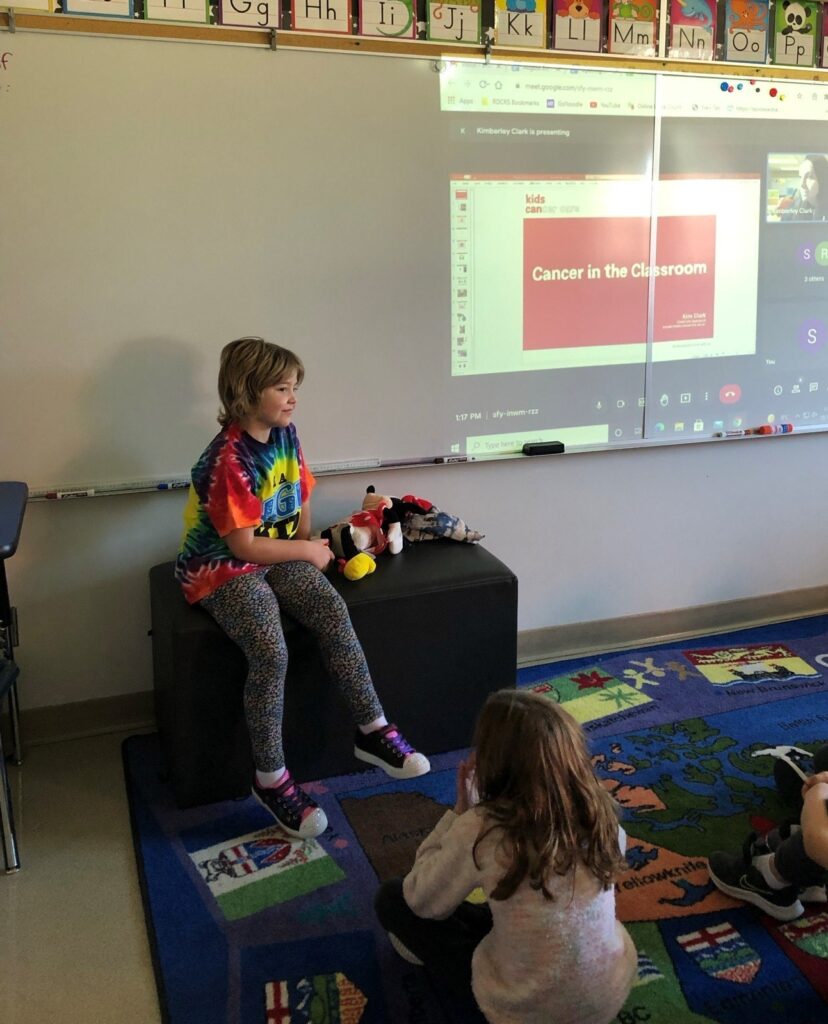
Another wonderful program for Kids Cancer Care families is their Cancer in the Classroom presentation. Meghan had left school halfway through kindergarten and was now returning to grade two. How would we navigate this transition? Our family worked with Kids Cancer Care staff to develop a customized presentation, on which Megan took the lead. The presentation explained to her grade-two classmates why she had been away from school for so long, why she would still be missing school for medical appointments (Meghan was still on a 30-day cycle of IV chemotherapies, oral steroids and at-home chemotherapies) and anything else she wanted to share with the class.
Meghan shows classmates her Beads of Courage during the Cancer in the Classroom presentation
This was a surreal moment!! My
husband and I sat in the back of the grade-two classroom in the tiny chairs (our
son Ryan was just down the hall in his grade-five class), colorful math and
learning posters covering the walls of the room, as our seven-year-old girl sat
in front of her peers and proudly told them all about her cancer journey. Ms.
Kimberly Zoomed in from the Kids Cancer Care office in Calgary as Meghan walked
the class through the presentation. Kids Cancer Care also gave Meghan a Monkey
in My Chair stuffy, which the teacher would place in Meghan’s seat on the days
she could not be there. What a fantastic way to promote empathy and compassion
in classrooms for medical children.
Megan and her Monkey-in-My-Chair stuffy who sat in her seat at school when she was away
On Meghan’s two-year cancer diagnosis anniversary, her elementary school completed a social justice project and collected toy donations for Kids Cancer Care programs. Meghan and I were able to deliver this huge amount of gifts to Kids Cancer Care on our way to one of Meghan’s monthly IV chemo appointments at the hospital.
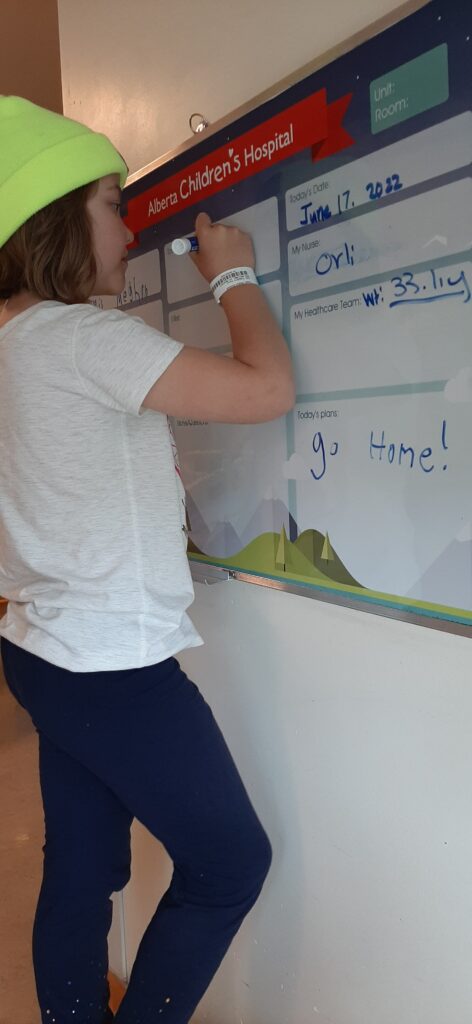
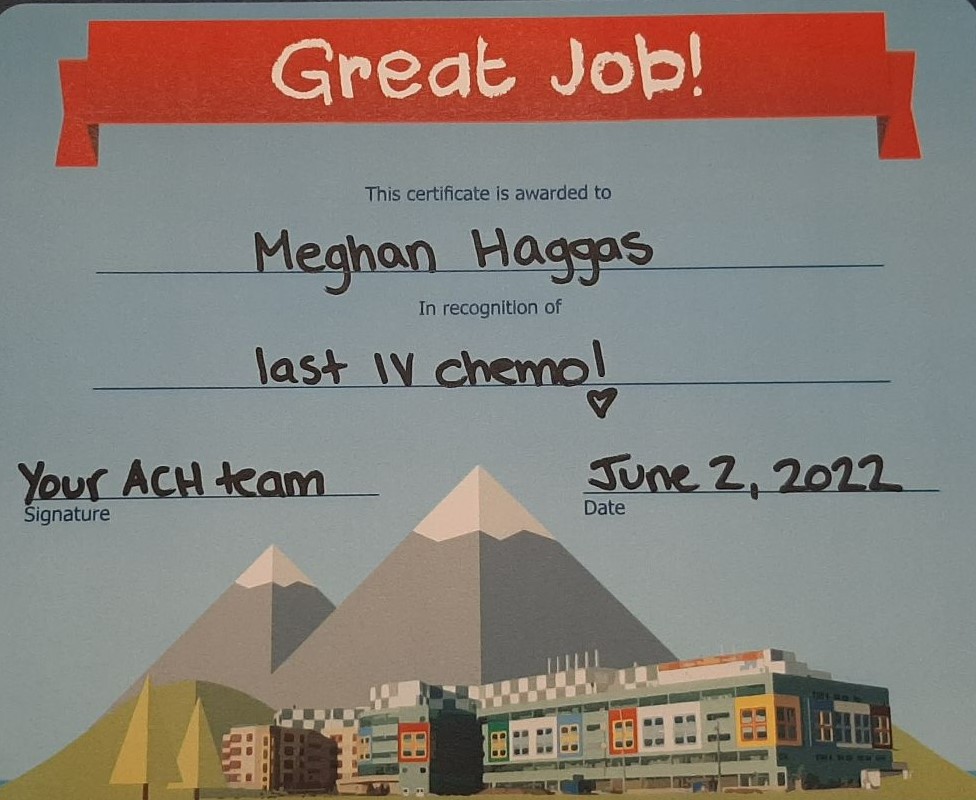
Eight-year-old Meghan completed
her two and half years of active treatment on June 19, 2022. We were pleased
that the surgery on June 20th to remove her chest port was a success
as this allowed time for her to recover before attending her first Camp Kindle summer
camp with her brother Ryan from July 4th to July 8th.
Ryan and Meghan at Camp Kindle
Our children were finally able to
meet in person the other cancer children and siblings they had been Zooming with
for the past two and half years!!
We take things one day at a time
because sometimes the future possibilities can seem overwhelming. Having the Kids
Cancer Care support network has helped us cope with the never-ending ups and
downs of a childhood cancer diagnosis, active treatment, and long-term
treatment.
Thank you, Kids Cancer Care.
Love,
Meghan and family
XOX
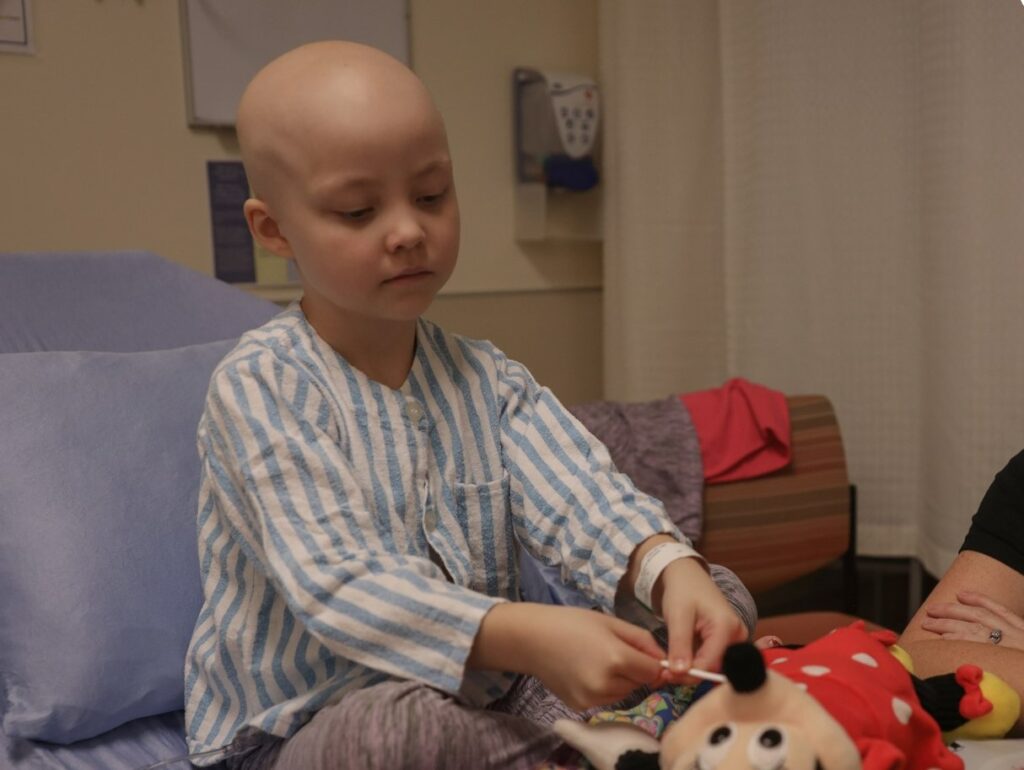
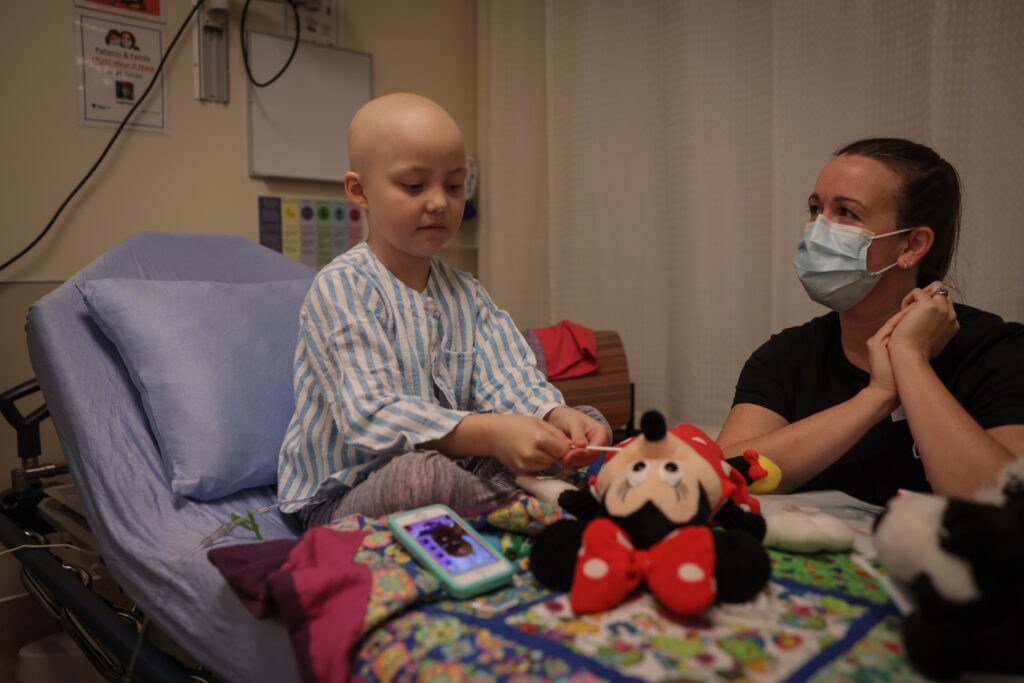
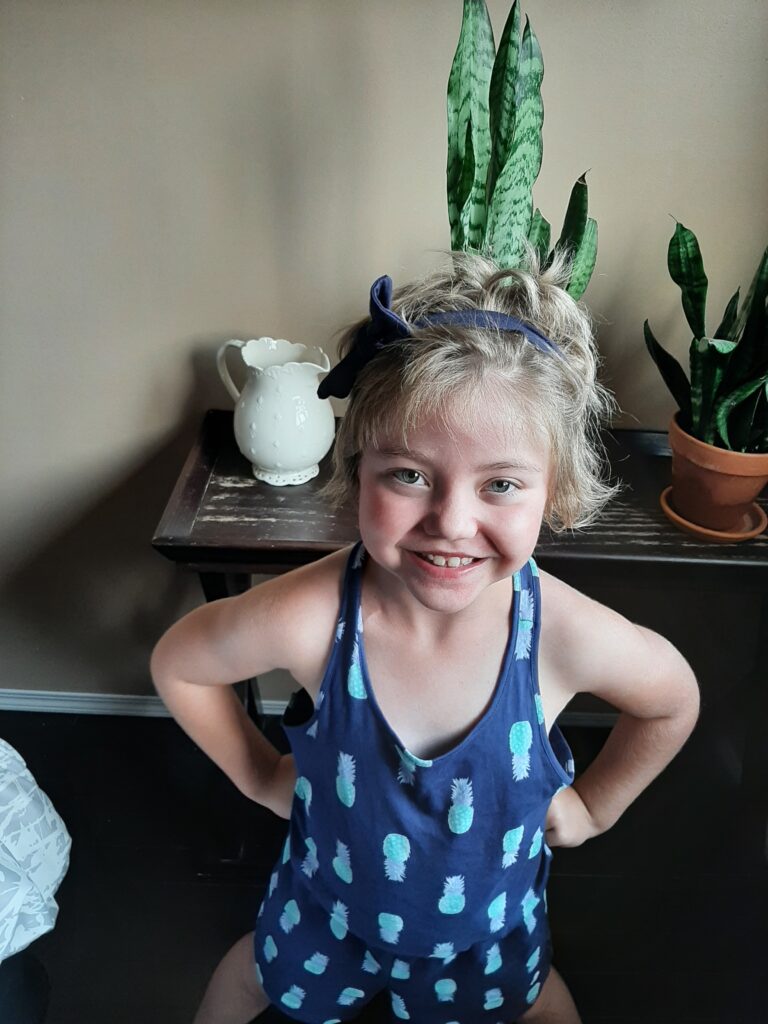
Getting some much-needed restRockin’ the shadesHanging with RyanMother and daughter looking beautiful All smiles in spite of it allBald IS Beautiful on MeghanMedical play at the hospitalSome TLC for Minne MouseYou got this MinnieButterflies are free…You go girl!Home sweet homeSibs at the Camp Kindle Ranch HouseI woke up feeling like a superhero today! How ’bout you?A proud Cancer in the Classroom presenterMeghan during Cancer in the ClassroomAnother superhero dayRecording her last chemo treatmentLast chemo!!! Meghan with some friends at Camp KindleMeghan teasing her brother Ryan at camp
October 31, 2014
One of the perks of Bob’s job with TD is that he often represents the bank at community events. Ironically this is how our family was first introduced to the amazing work of Kids Cancer Care. Shortly after we relocated to Calgary, Bob took Celia to her first Dad and Daughter Gala, a sold-out fundraiser the organization hosts each October. At three, Celia was enchanted by the fancy affair and refused to leave the dance floor where she twirled around, proudly displaying a tiny wrist corsage. Celia begged to add sparkly eye shadow and lip gloss to her formal wear the next year, which was when she learned that not everyone wins a door prize, much to her four year-old disappointment. Last year Bob held onto the tickets as long as possible before accepting that his five year-old date was too sick to go anywhere. Of all things missed during Celia’s illness, the Dad and Daughter Gala seemed to hit Bob the hardest.
Celia and I spent an entire afternoon shopping for the perfect accessories to compliment her simple but pretty blue and purple dress. By the time we left the mall, I was exhausted and Celia could not wait to get home to put on a fashion show. Her favourite find was a hair band with an oversized flower to perfectly cover her bald spot. Of course it was silver, much like the purse, shoes and tights she selected. Paying no attention to price tags, I tried to enjoy the experience, thinking that it could be the closest thing to prom we might ever have. Getting caught up in the girly moment, I sprung for a fancy Christmas outfit as well, treating Celia to her first pair of teeny tiny black patent heels. I laughed to myself, envisioning a holiday photo with Celia looking Sears catalogue perfect next to her grubby brother who would undoubtedly fight me over wearing anything with a collar.
Celia typically shies away from the spotlight, especially when it has anything to do with her having cancer. So, mentally we prepared Celia for the gala, seeking permission to show pictures of times during treatment she might rather forget. Initial resistance led to an important discussion about our family’s responsibility, which seemed to resonate with both kids. By the time Saturday arrived, Celia had just aced a TV interview, which gave her the necessary confidence to follow Bob onto stage in front of more than 800 guests, where she sat up high on a bar stool. I was nervous and proud as Bob began, allowing himself to be so incredibly vulnerable. Only a few minutes into things, when a tasteful image of Bob’s above the heart Be Brave Be Strong tattoo was displayed, the audience cheered. I had planned to look around to observe reactions but instead found myself glued to the little girl on stage, staring up at her dad with so much love and admiration. Borrowing Bob’s seat at the front row table, I was among friends, sandwiched between two amazing dads we met on the Oncology unit of the hospital.
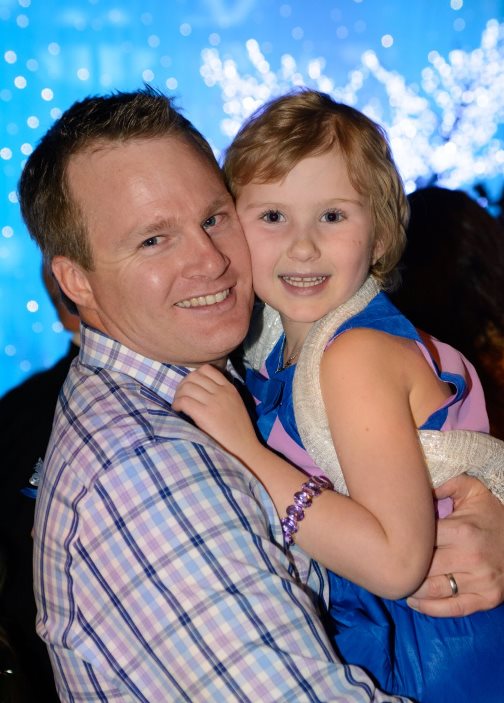
Bob Yarish and his daughter Celia, complete with blue teeth from Frozen treats, at the 2014 Dad and Daughter Gala.
The Frozen themed gala featured live reindeer, ice sculptures, karaoke, glass jewelry making and more. Celia was especially fond of the pre-dinner entertainment featuring Elsa and Anna as well as the candy bar. Over three hundred thousand dollars was raised to fund pediatric cancer interests, which is amazing. But, based on the standing ovation, I’m willing to bet that what many will remember of this year’s gala is the story told by one father about his unbreakable family and inspiring little daughter. Bob was approached countless times after his speech with offers of support and congratulations. One dad shared that he lost his son Jason five years ago to AT/RT and Bob felt an instant bond of human connection. After someone tweeted to say that he had never been more moved by a story, we couldn’t help but wonder if the audience had been cheated a little. Imagine if they knew that we were days away from knowing whether or not Celia was terminal.
You go through life knowing that certain decisions will impact the course of your life – who you marry, whether or not you get a particular job, or change cities. In all of these examples, you maintain some control, the ability to influence the outcome. Leading up to today’s MRI we could do nothing but think positive, willing the universe to deliver a miracle. Be Brave, Be Strong…we both thought as the phone rang and we were too scared to exhale. Today’s MRI conclusively determined that Celia remains CANCER FREE! The three lesions on Celia’s brain are necrosis (areas of post-radiation damage), which appear stable and may actually be shrinking. In addition, the swelling (edema) surrounding these lesions has gone down since the last nightmarish imaging. We are on top of the world, although too tired to celebrate, or tonight at least. Watch out world, Celia Jane Yarish is unstoppable (and thankfully also completely oblivious to the last six weeks of torture). BBBS
~ Brandie Yarish
“Here in the heart of me, that’s where you’ll always be.” I am told that one of the greatest fears of families who lose a child to cancer is that their child will be forgotten. More than anything, they want to keep their child alive, if not in body, then at very least, in their hearts and in the hearts of others.
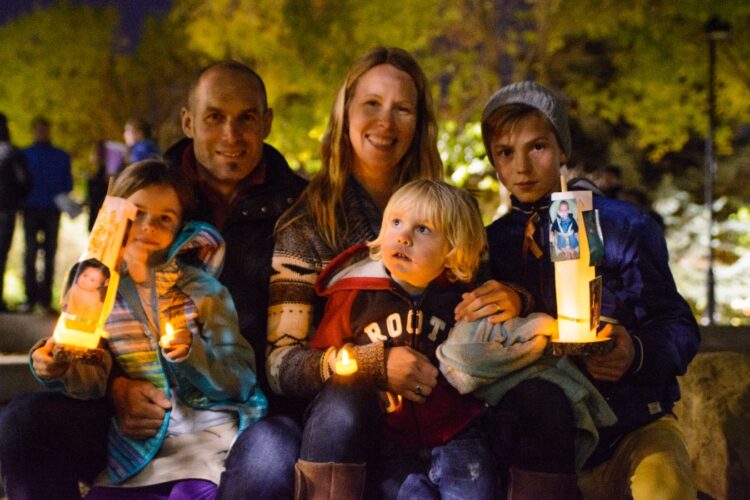
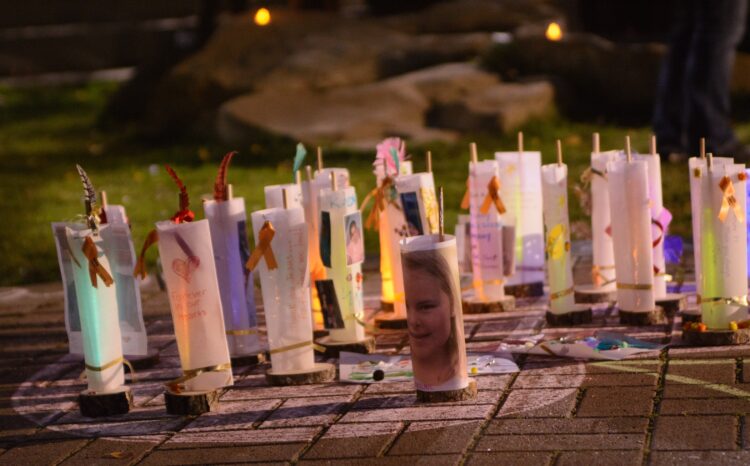
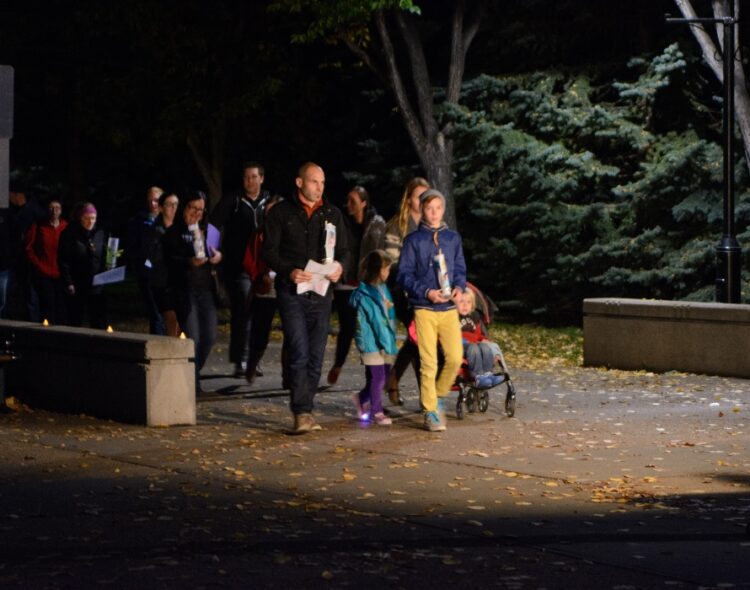
On the evening of September 30th, some 20 families affected by childhood cancer gathered at Eau Claire Market to do just that: honour the lives and memories of children taken by cancer. Not losing sight of the family nature of Kids Cancer Care, Time To Remember was suitably child-friendly with hot chocolate to warm our spirits as kids and parents of all ages crafted lanterns in honour of their lost loved ones.
Each family, each individual, brings their own special meaning to Time to Remember. I brought the only thing I could, a sincere desire to show solidarity with these families. In talking with families, I discovered that the experience of Time to Remember does not begin at 7 pm when they arrive at Eau Claire; it starts in the morning as they begin rummaging through old photos to choose just the right one for their lantern, each photo stirring new memories.
Time to Remember is a ritual, a rite, that begins early in the day and goes deep into the night. It brings families from all walks of life together to witness and share in their common loss. The symbolism of the warm light of the lanterns cutting through the darkness was not lost on the group meandering through Prince’s Island Park. The procession of families arrived at its destination, the amphitheatre of Market Square, where each family placed their child’s lantern. Gathered around the soft glow of these tiny lanterns, the group shared in a singing of Daniel Lavoie’s, Here in the heart of me. And with those words echoing through the night, Childhood Cancer Awareness Month came to a close.
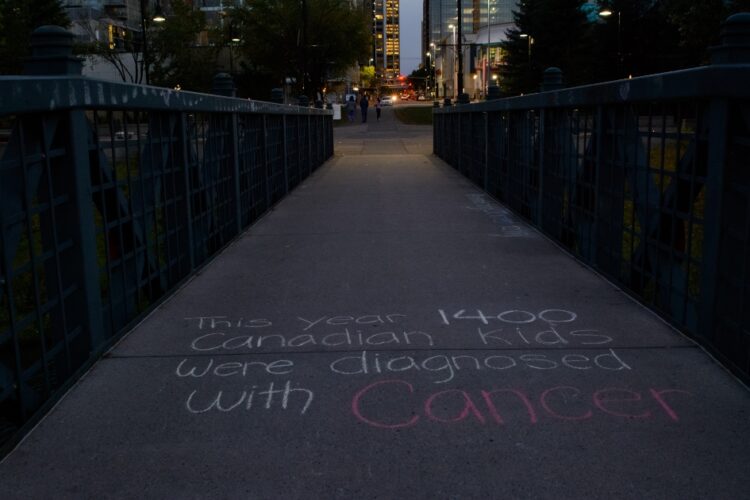
Time to Remember is a fitting close to Childhood Cancer Awareness Month, an international initiative designed to illuminate the tragedy of childhood cancer and its devastating wake. With an overall survival rate of 82% for Canadian children with cancer, it is easy to lose sight of the work that remains. And yet, despite huge advances in research and care, childhood cancer is still the number one disease killing children today. So what of the children who do not make it? What of the families who lose these children? While remembering there children, Time to Remember reminds us of the work to be done — a cure for every child. You can easily fall into despondency when considering such tragedy, but hearing the families’ stories and how they have come through somehow offers you a healthy perspective on how best to support them–even if it’s as simple as just showing up.
I find it difficult to summarize the diverse experiences of these families into one message, but if I had to choose, it would be to always react to life positively and in such a way that honours its fragility and impermanence.
–Blair, childhood cancer survivor and volunteer
PS. You can get a sense of the evening from this photo collage of Time to Remember 2013, created by Monique de St. Croix of Unique Perspectives. We’re working on our photo collage for the 2014 event, so be sure to check back here or on our YouTube channel.
Thank you to our generous fundraising partners who make our programs and services possible