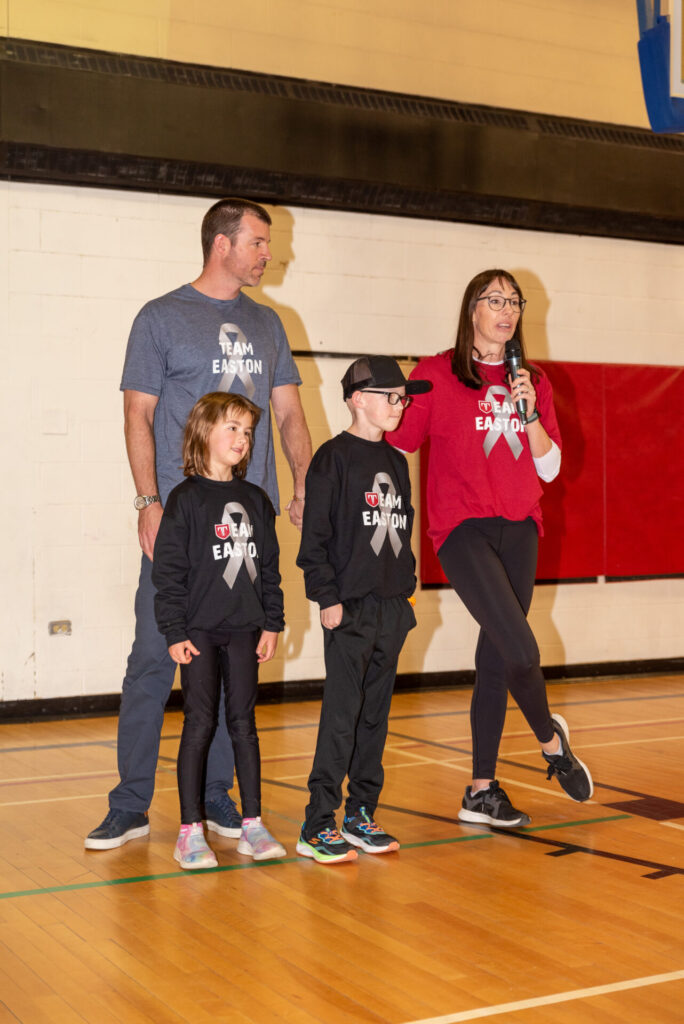
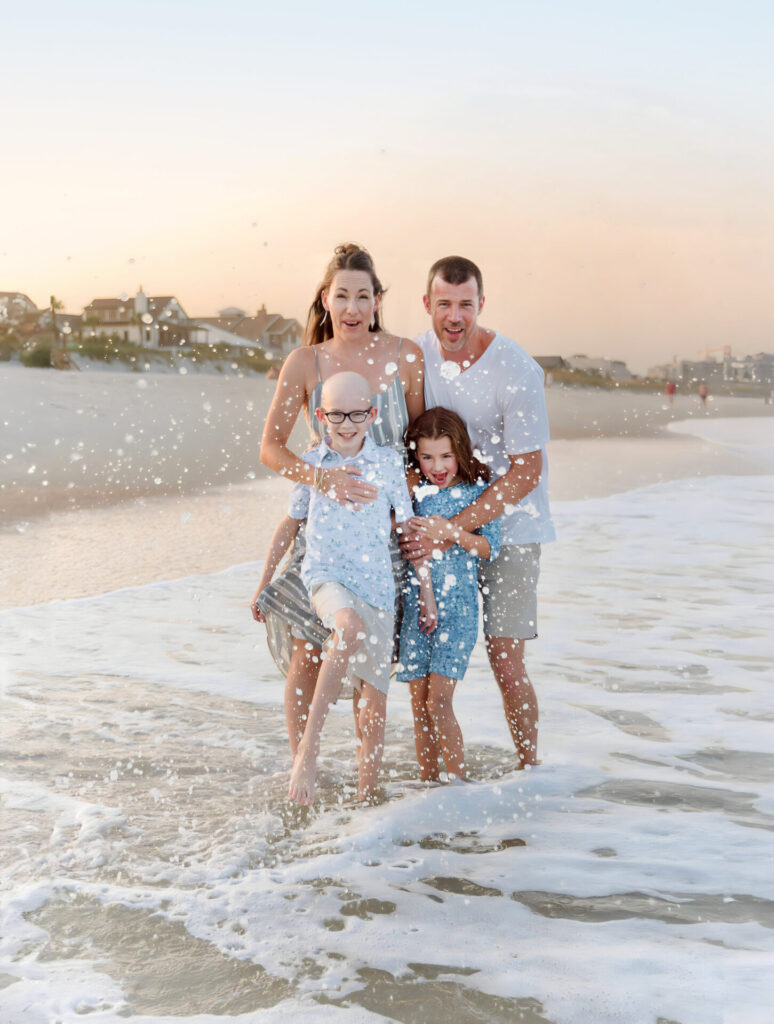
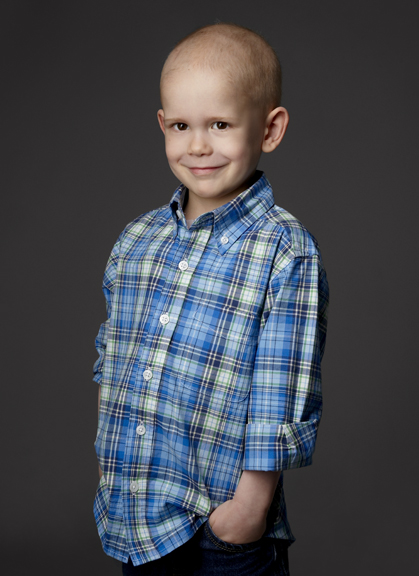
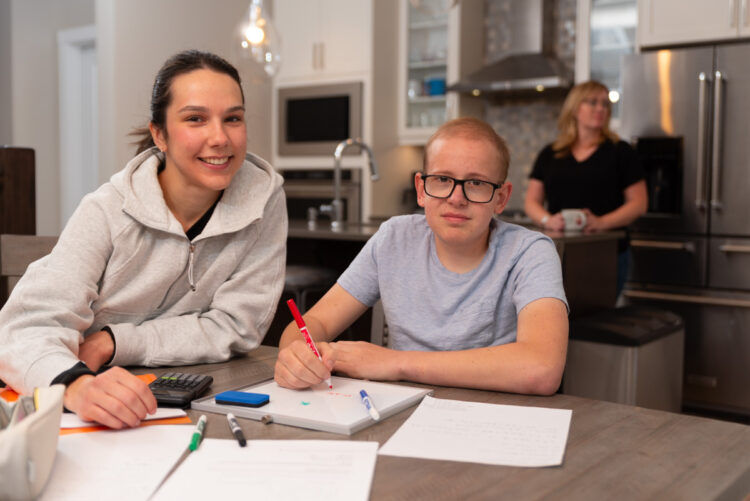
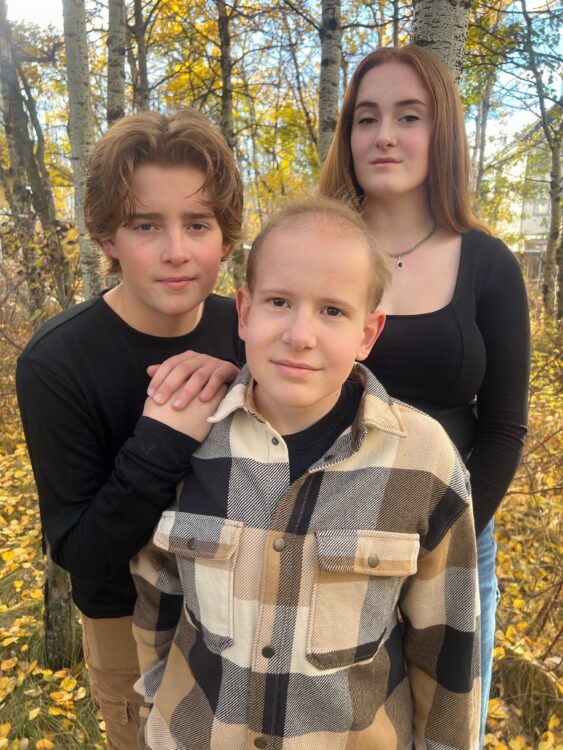
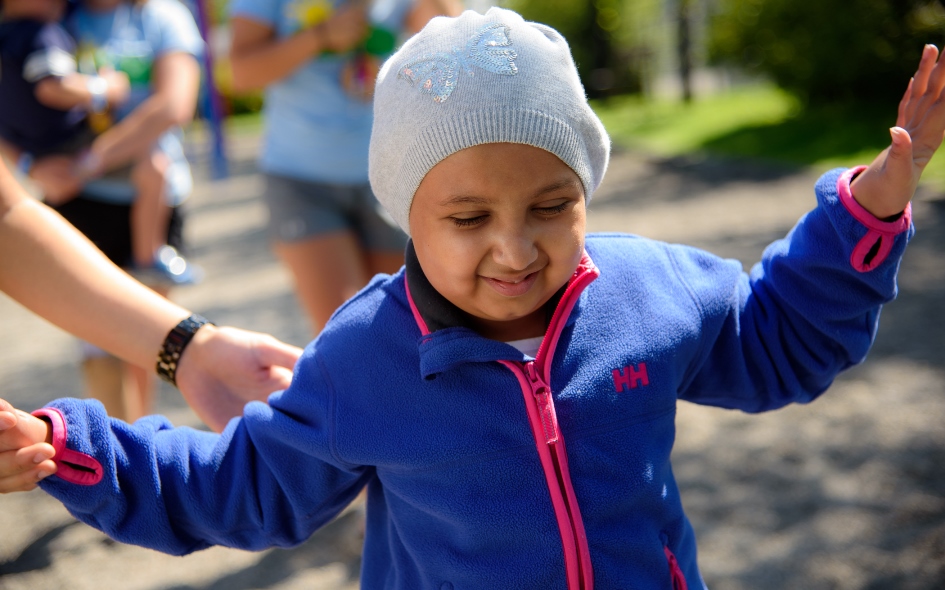
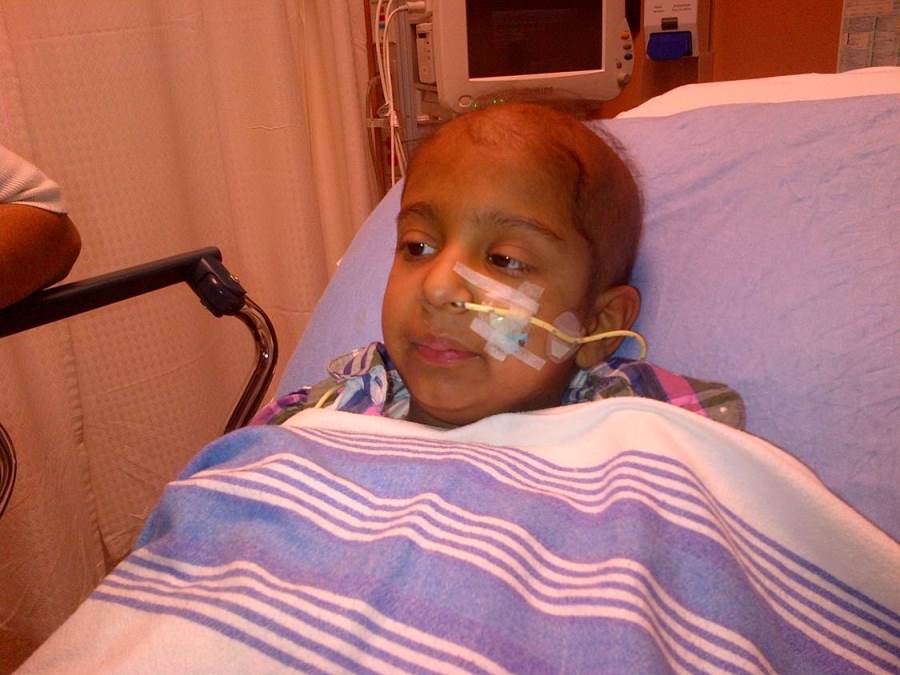
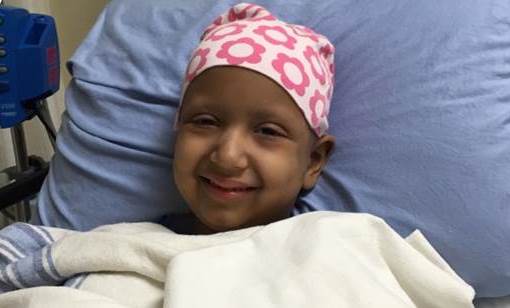
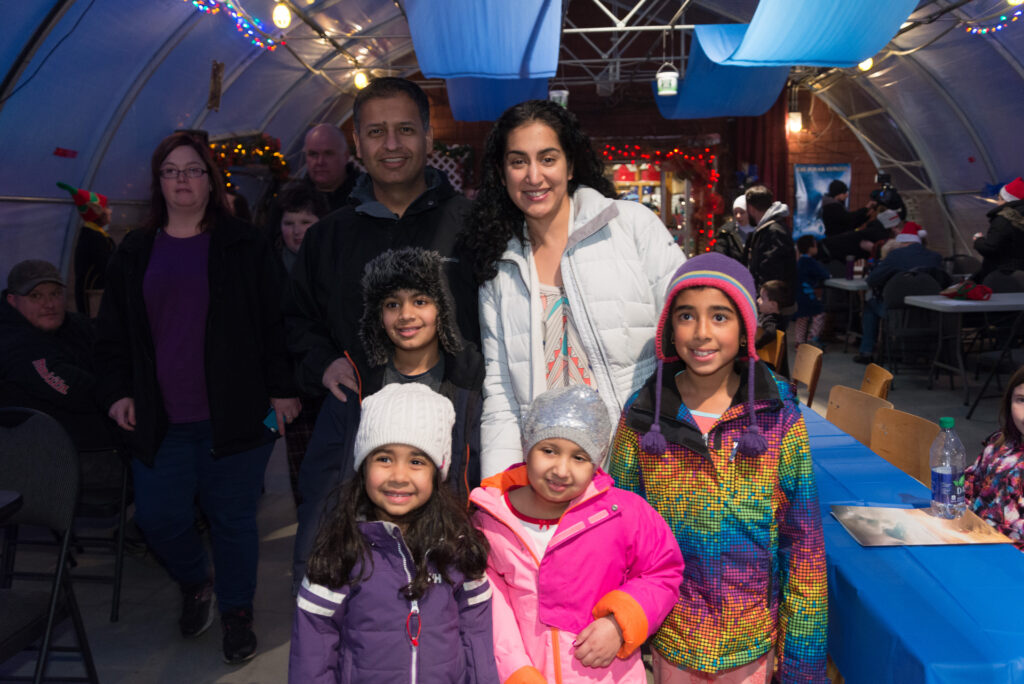
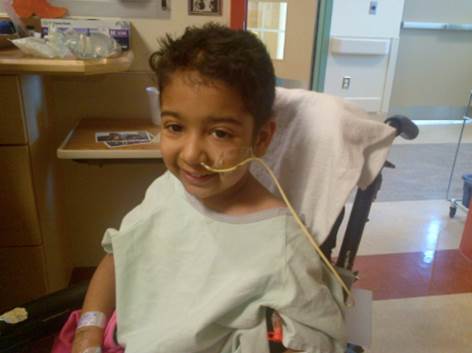
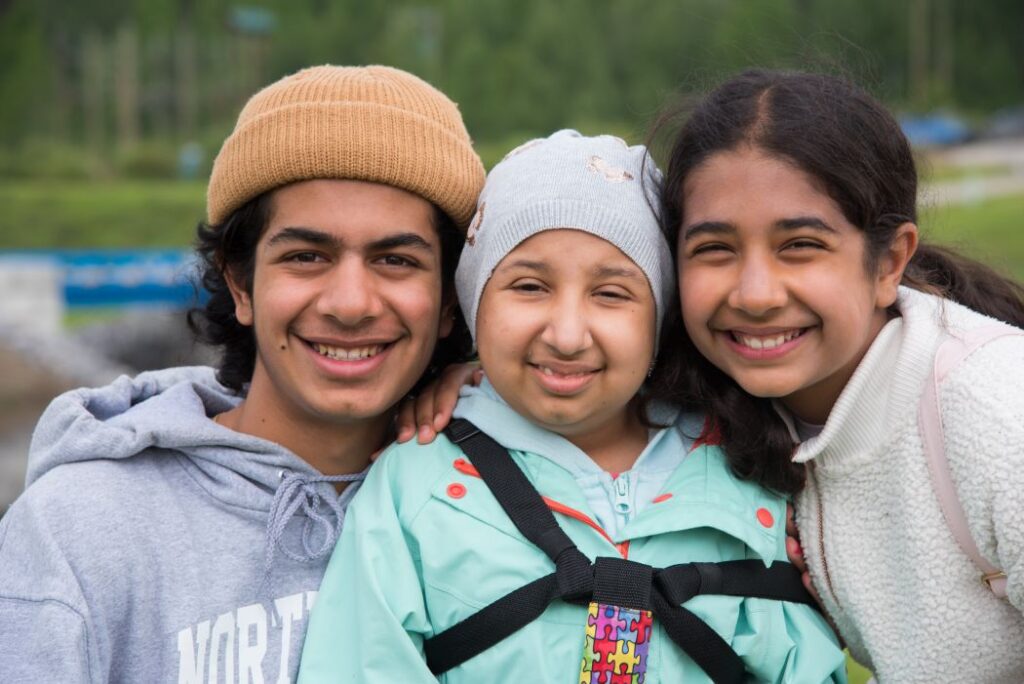
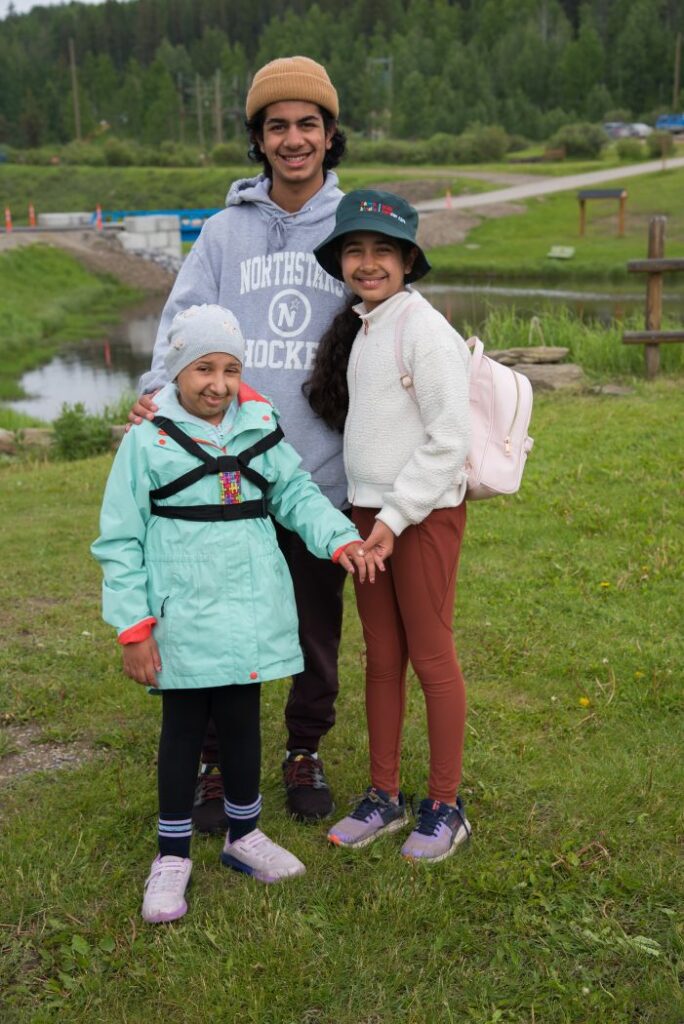
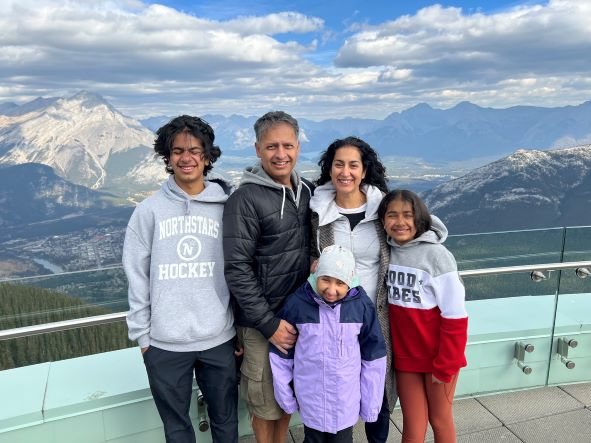
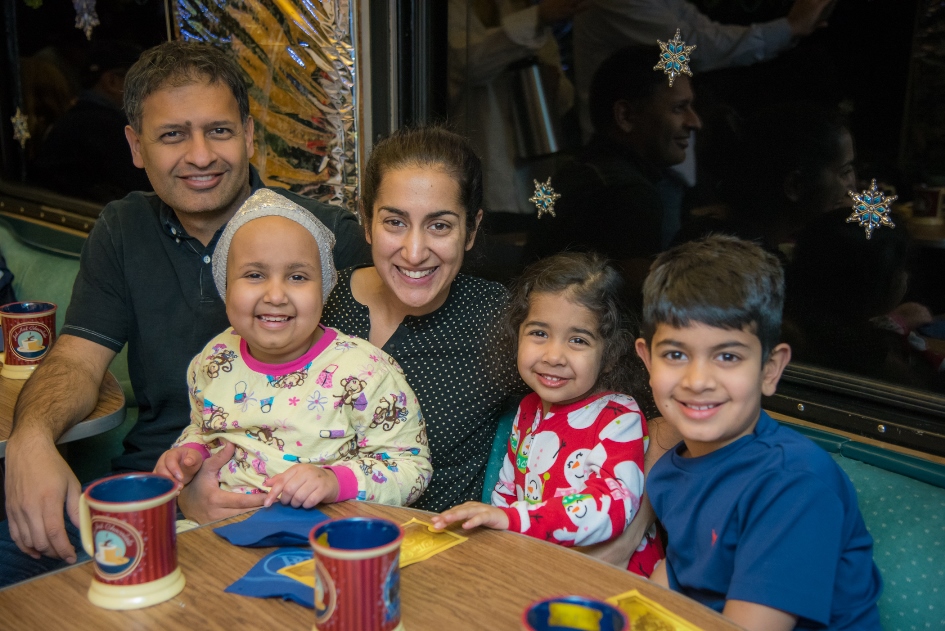
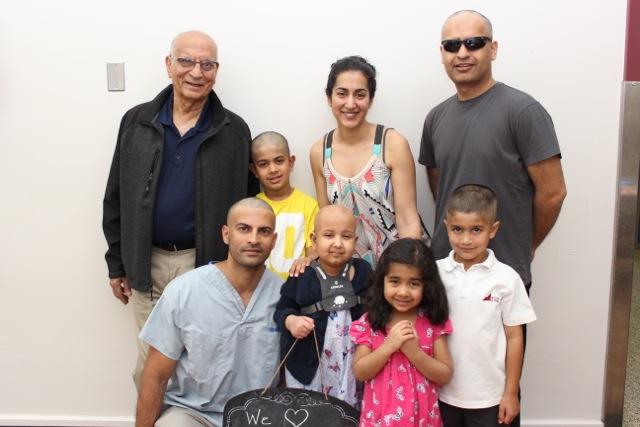
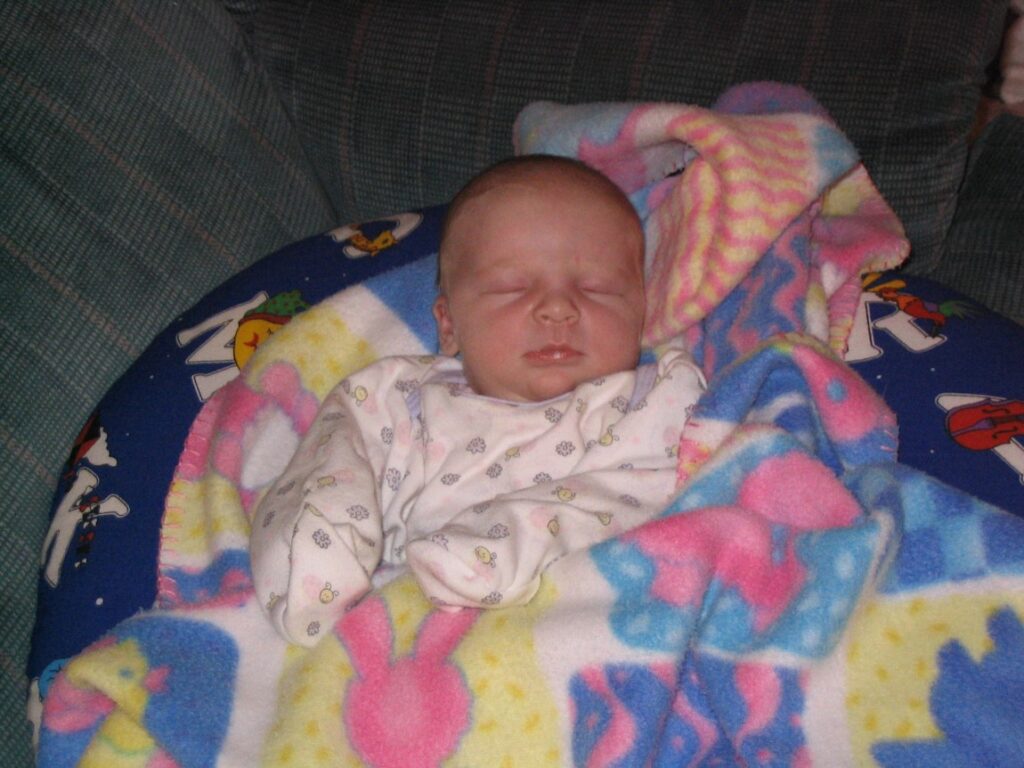
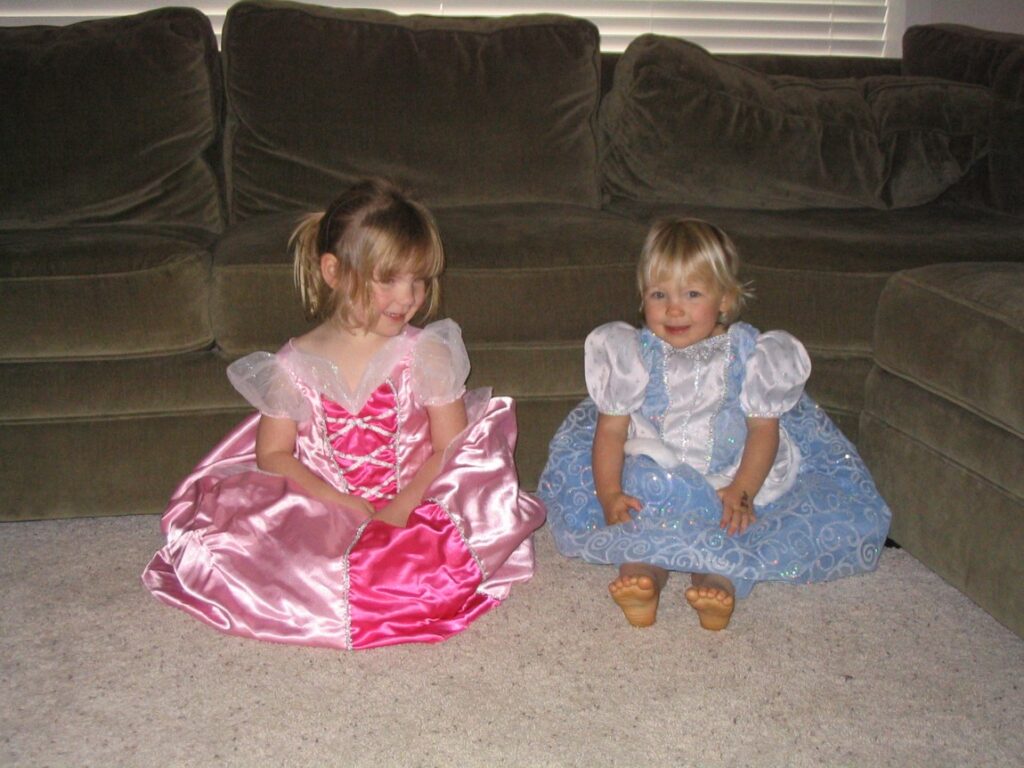
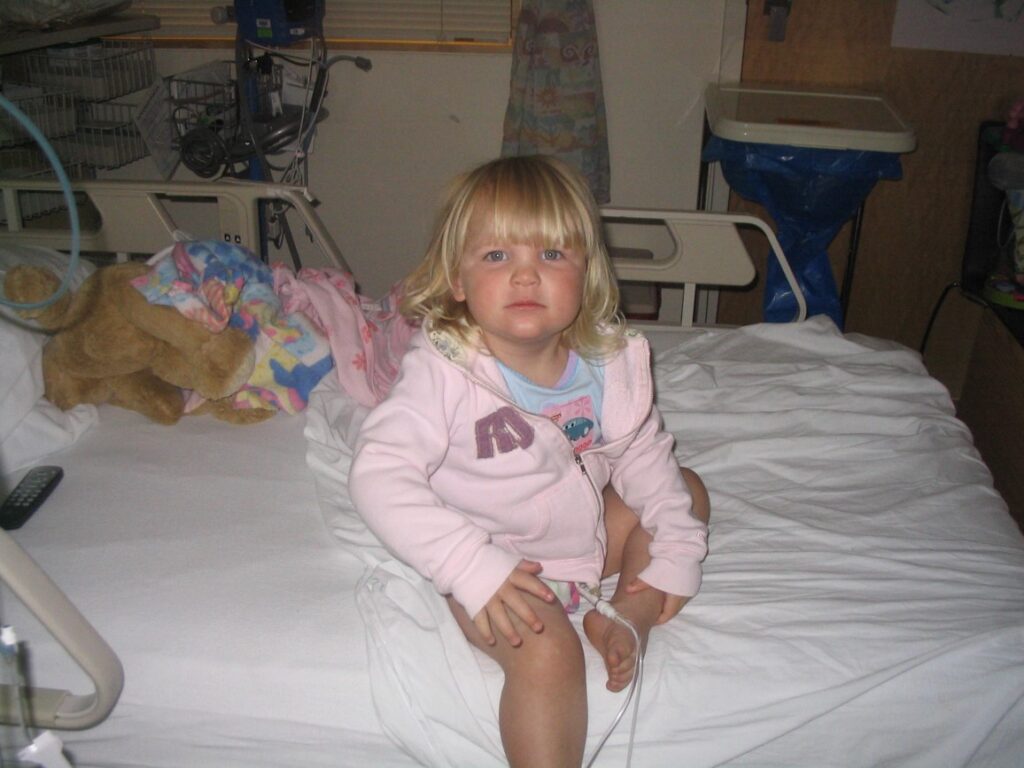
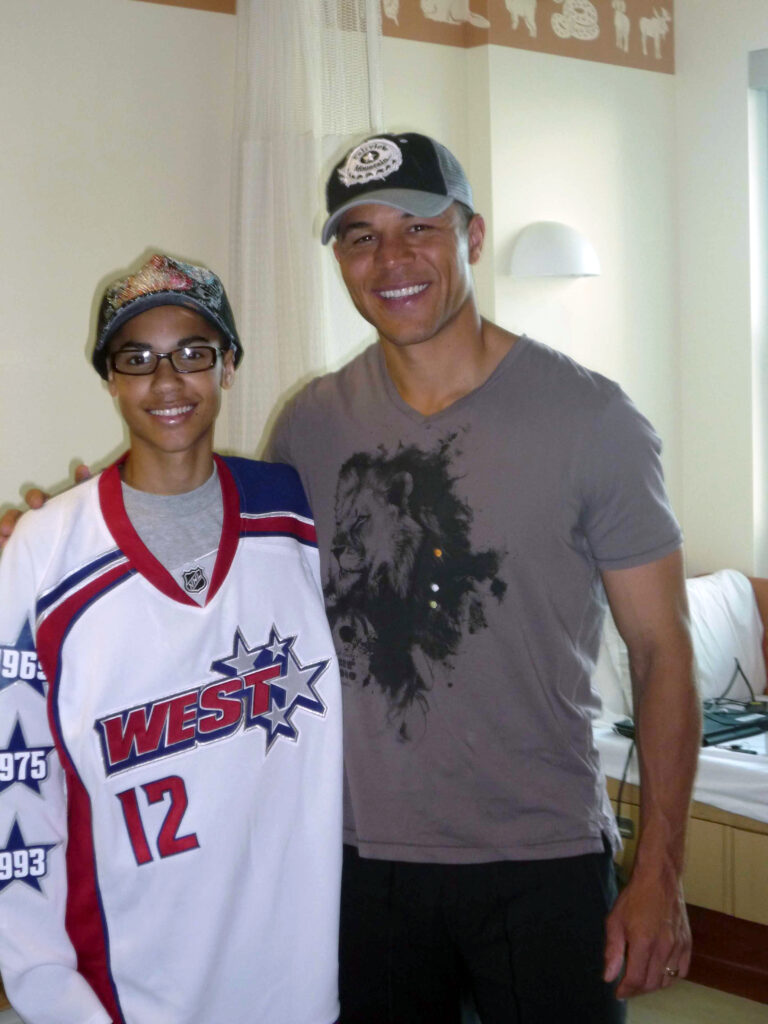
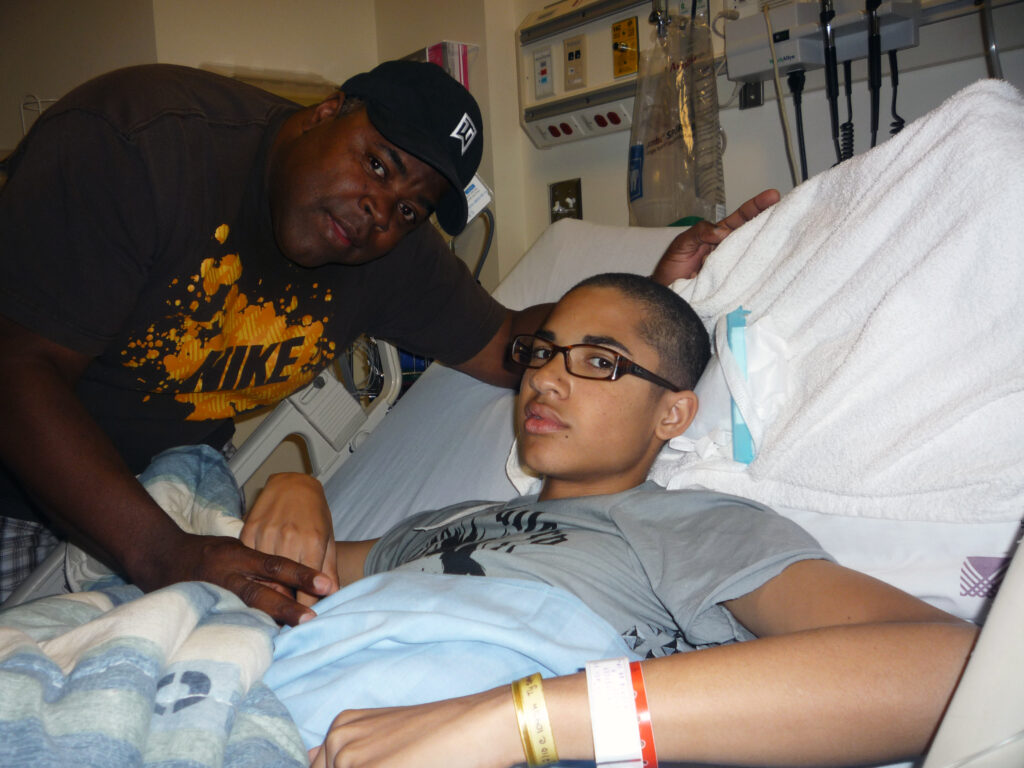
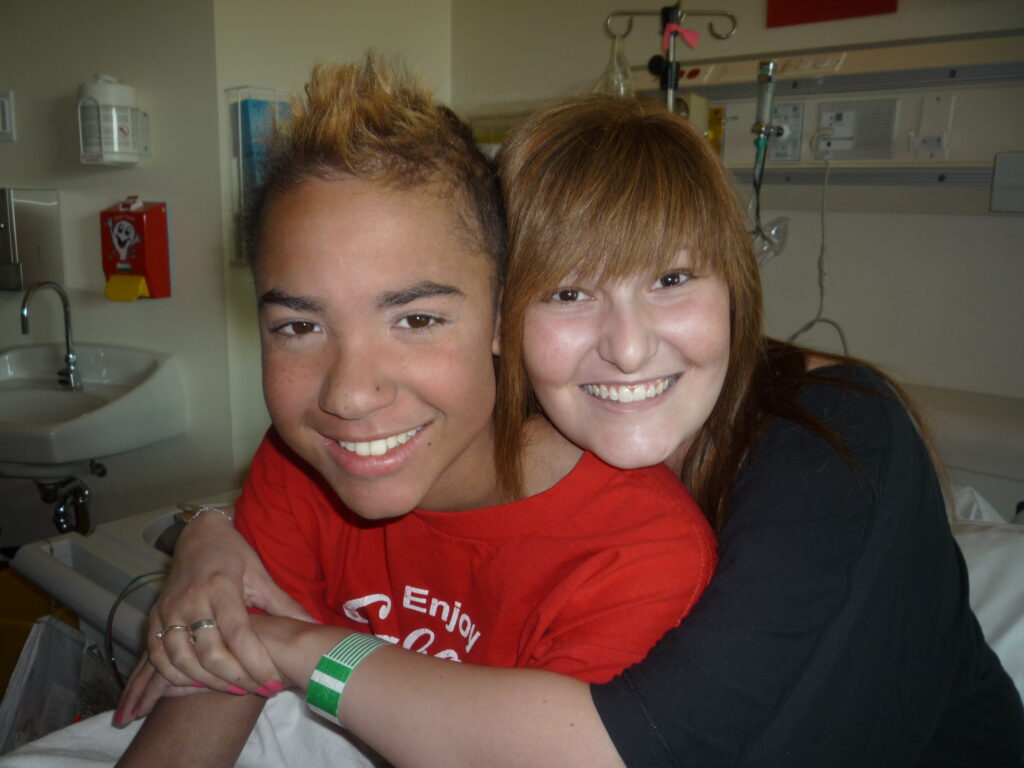
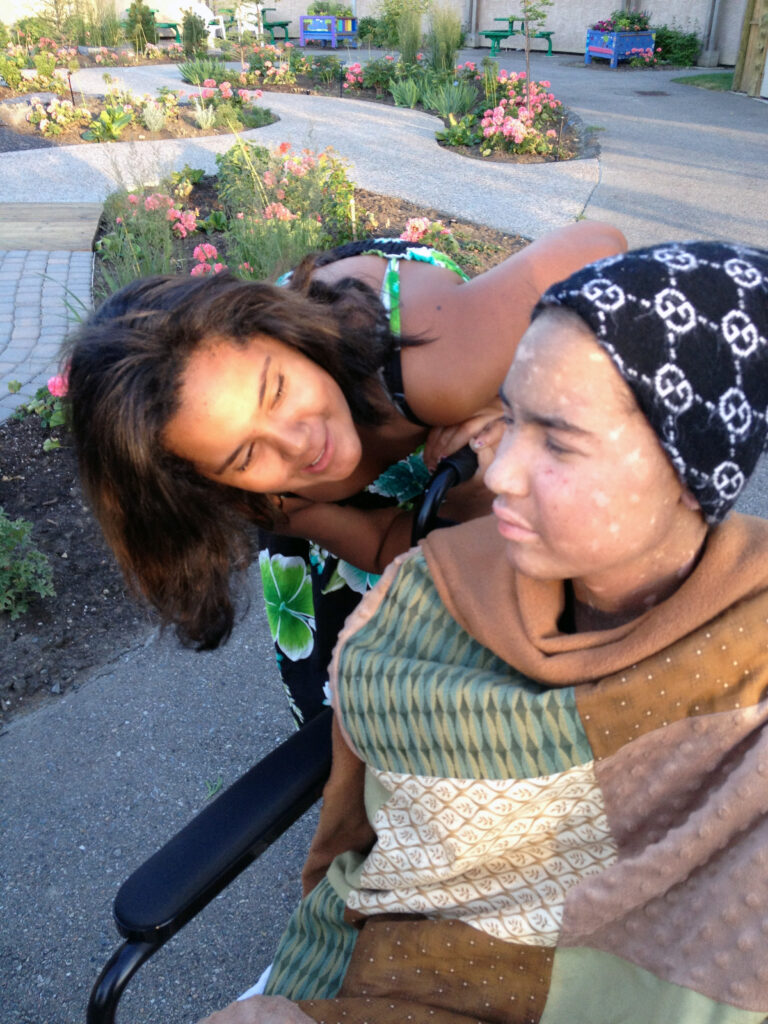
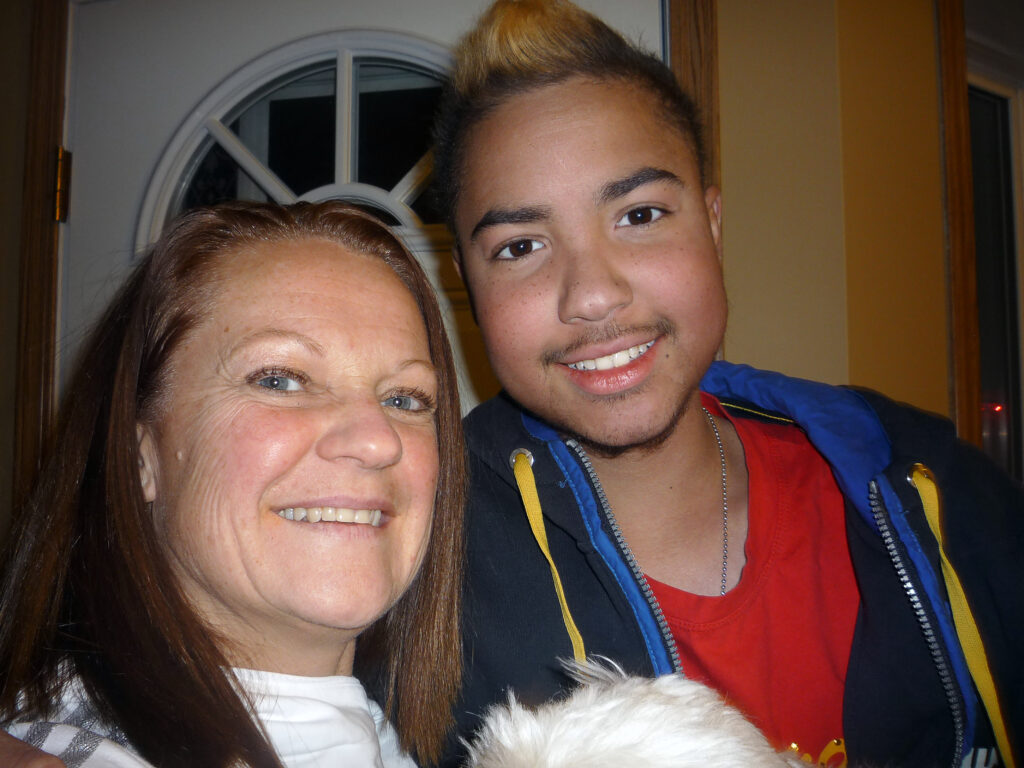
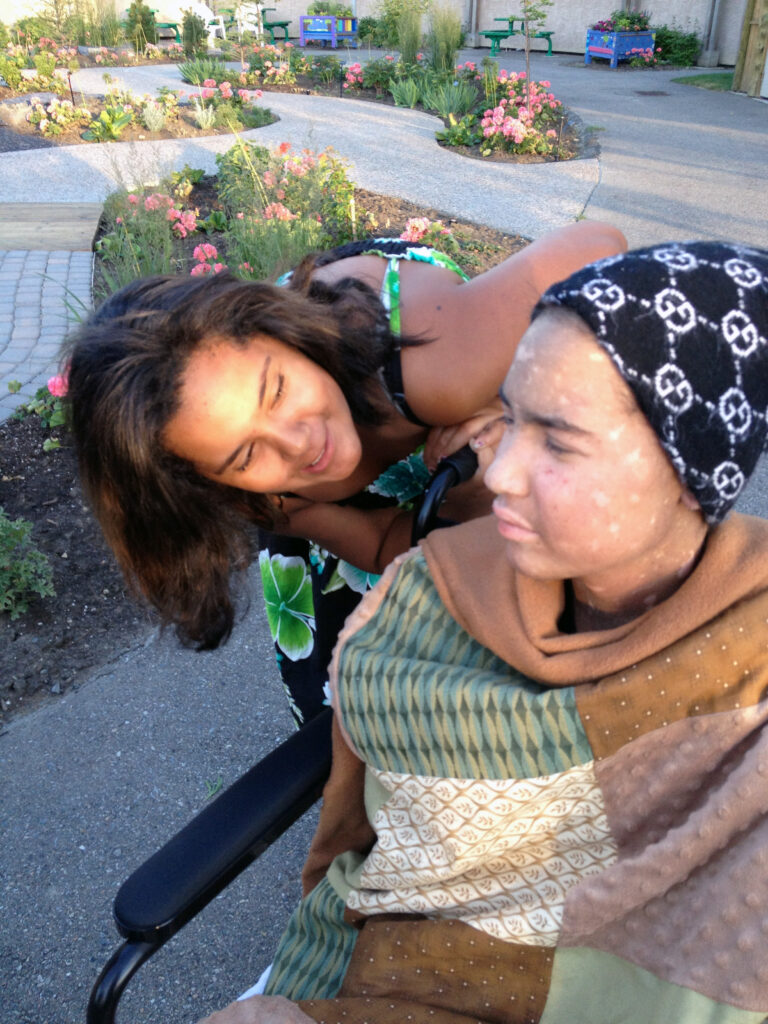
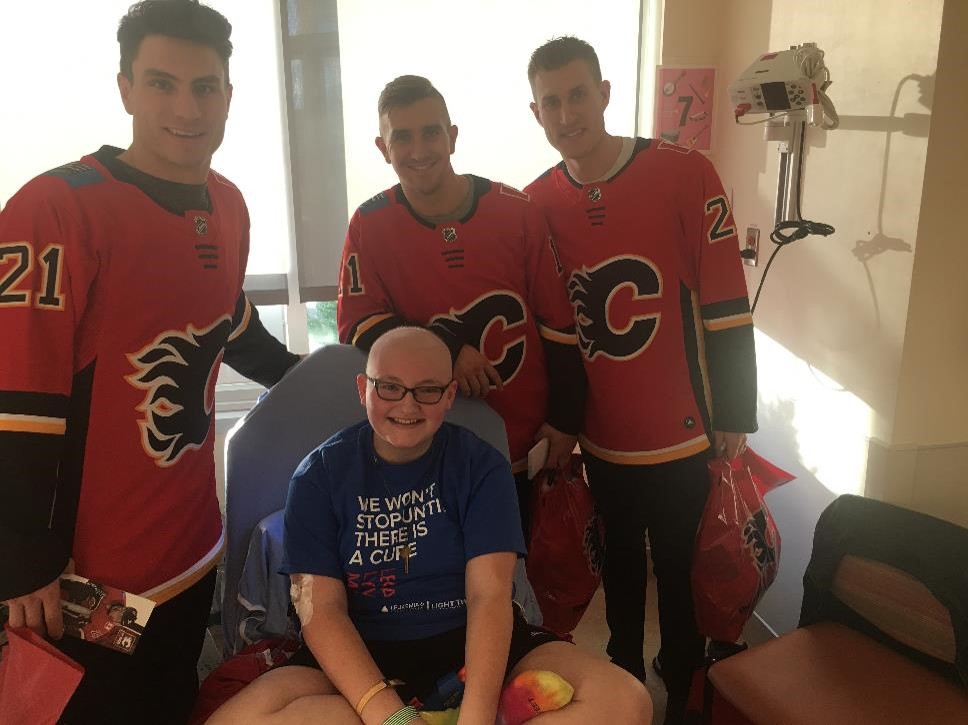
“When we were thrown into this cancer world, we were disoriented and lost. Kids Cancer Care was our only anchor, allowing us to stop spinning and stop spiraling into despair…. We are so grateful for Kids Cancer Care.” — Amanda
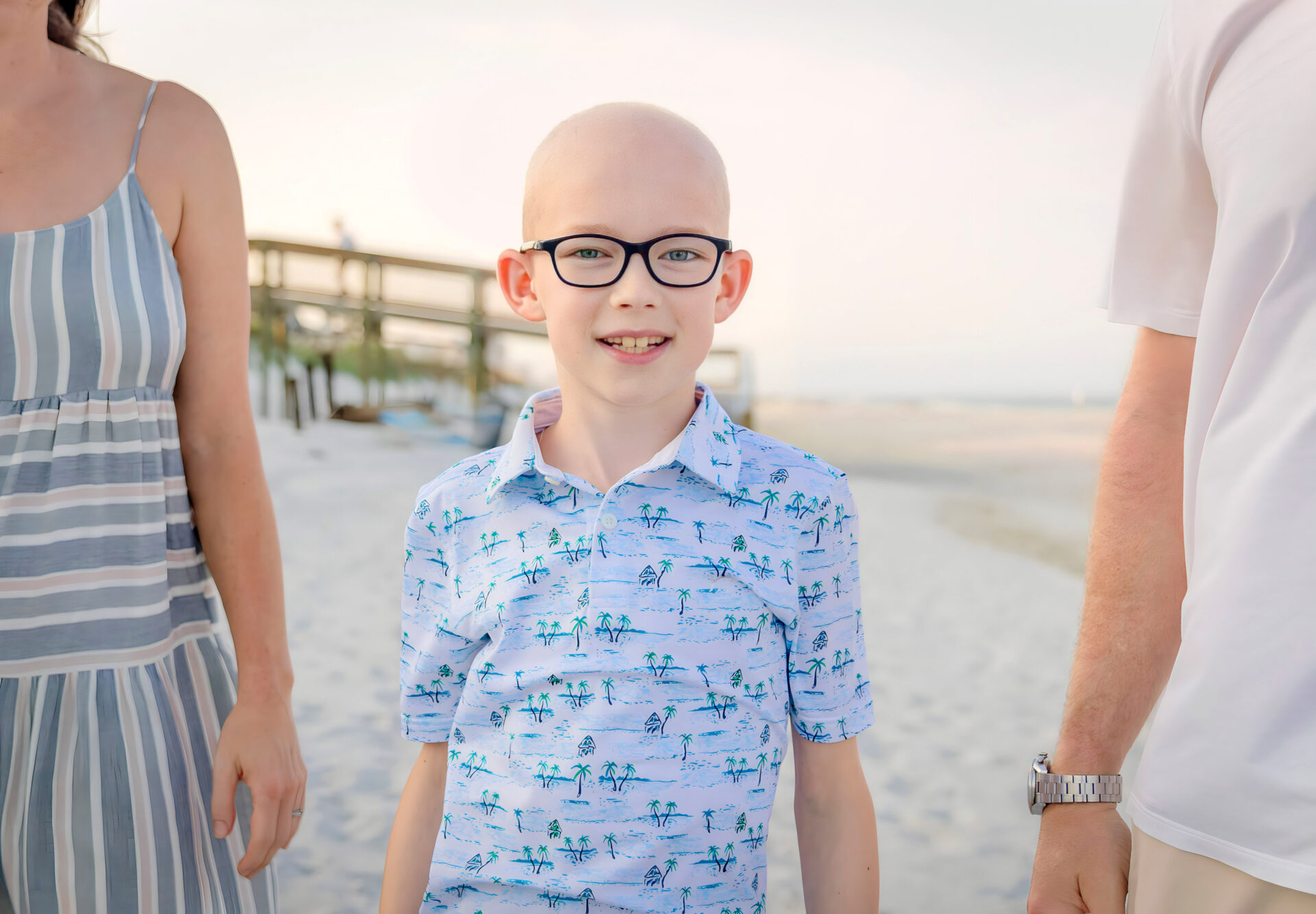
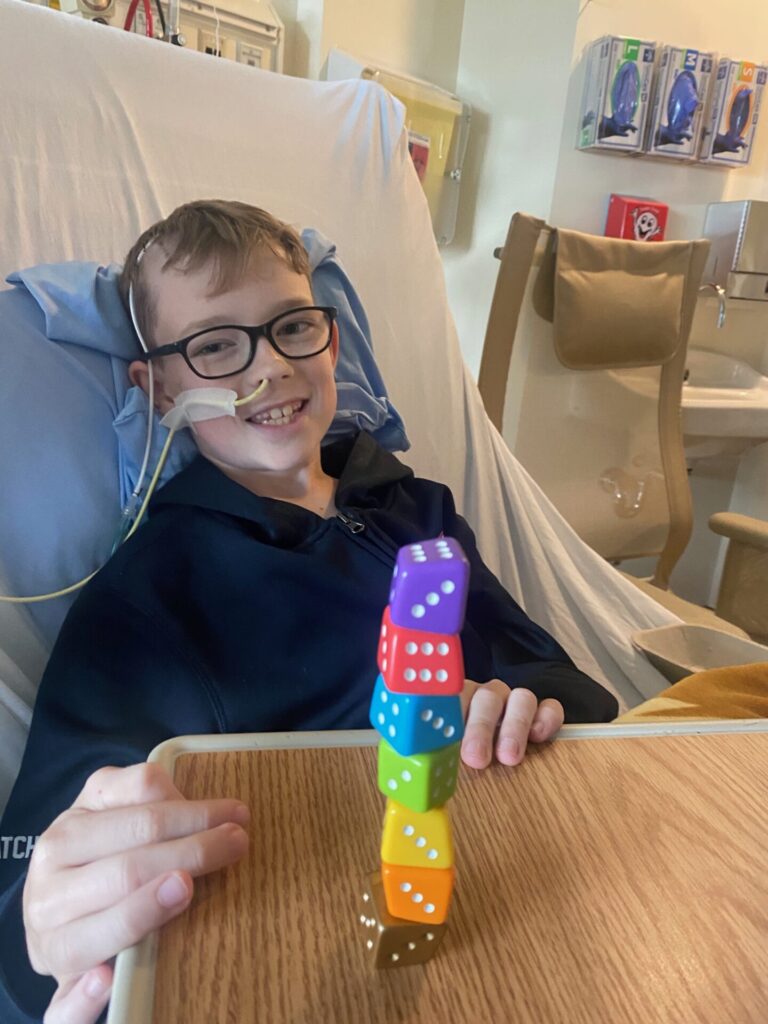
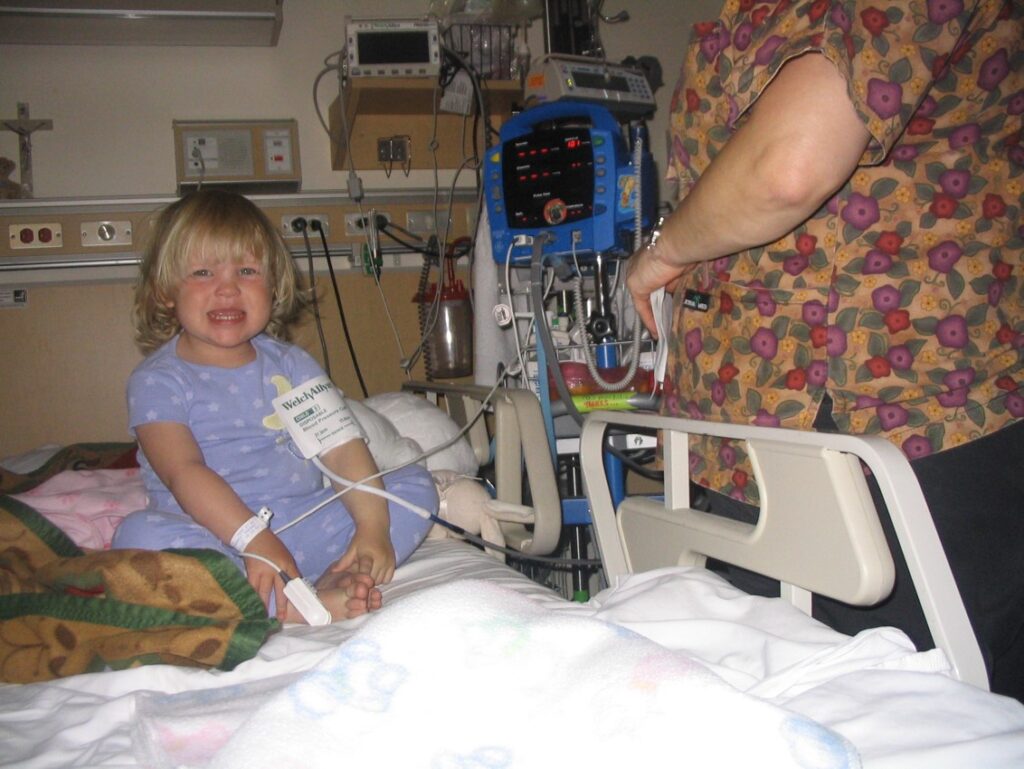
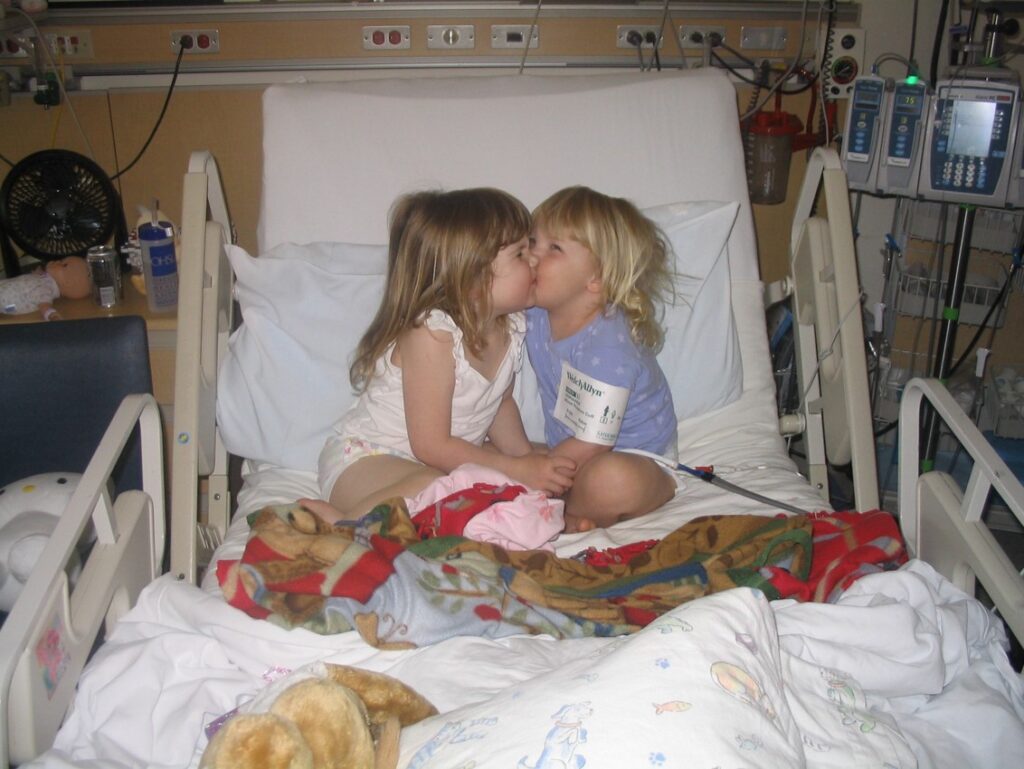
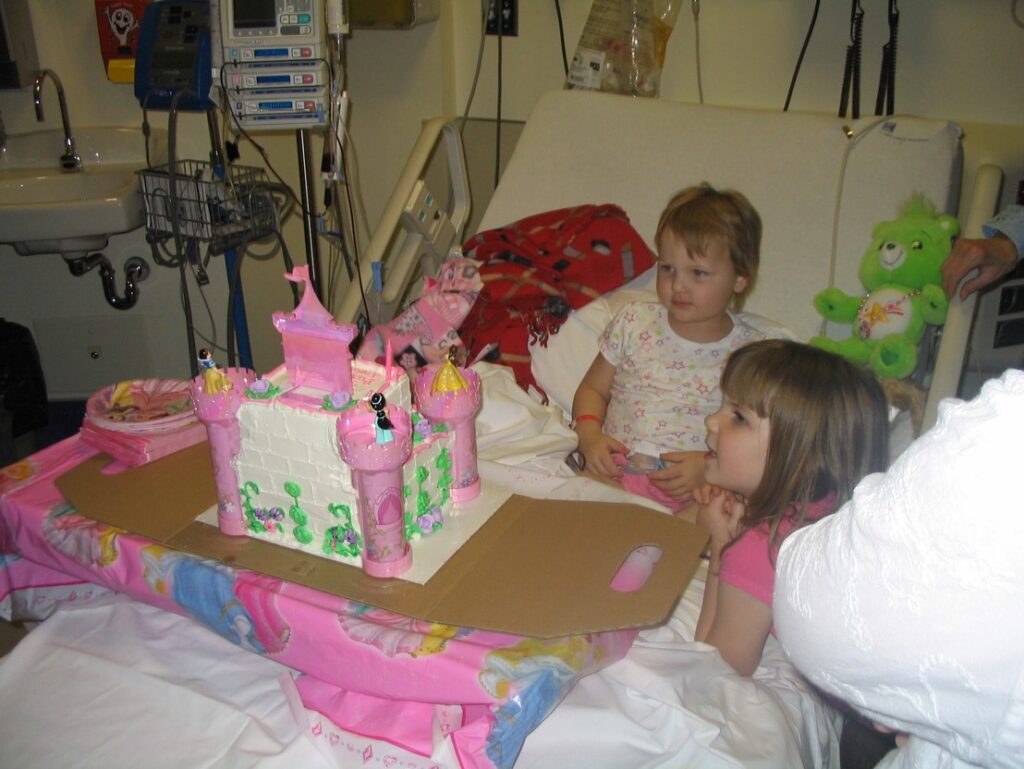
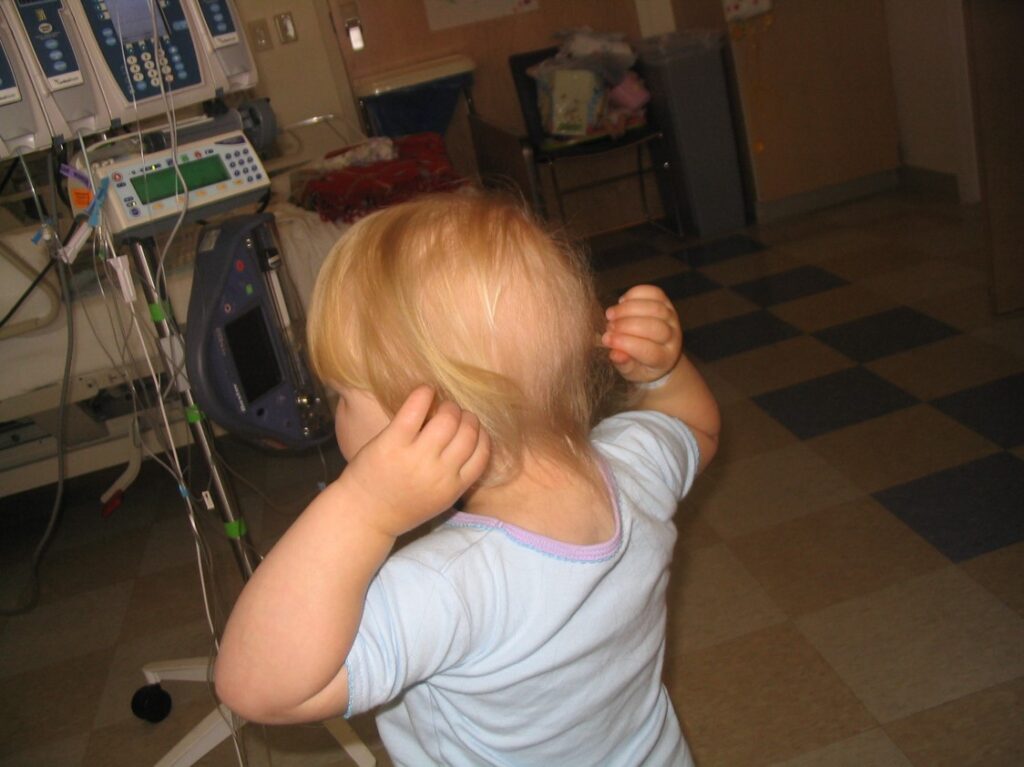
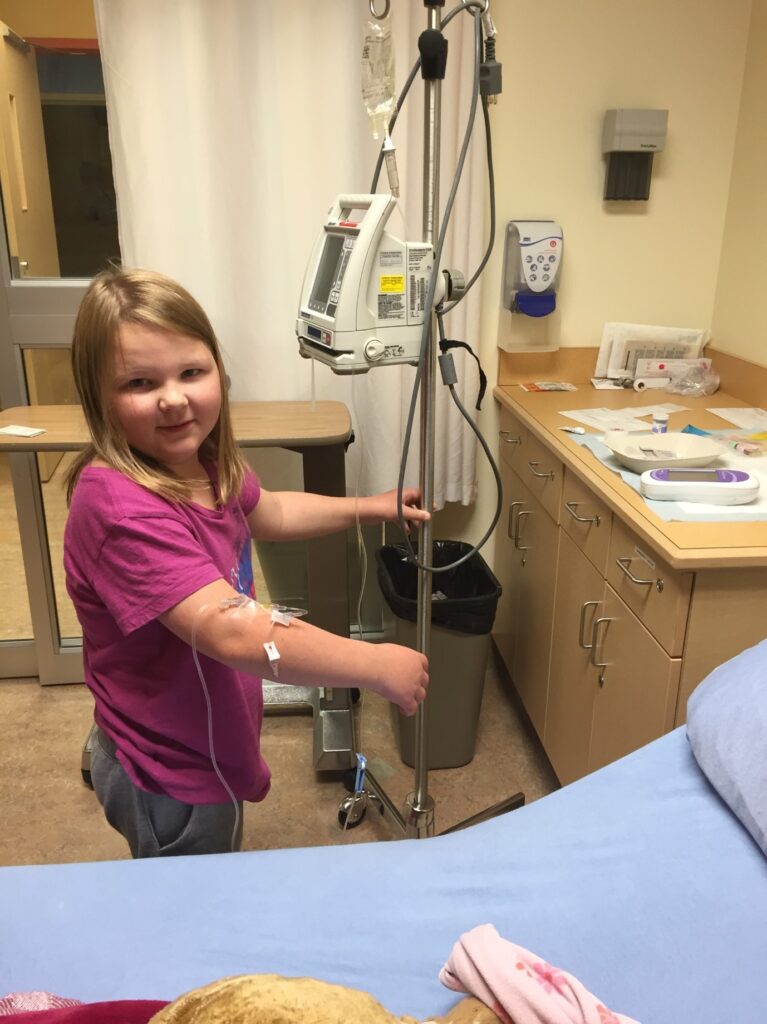
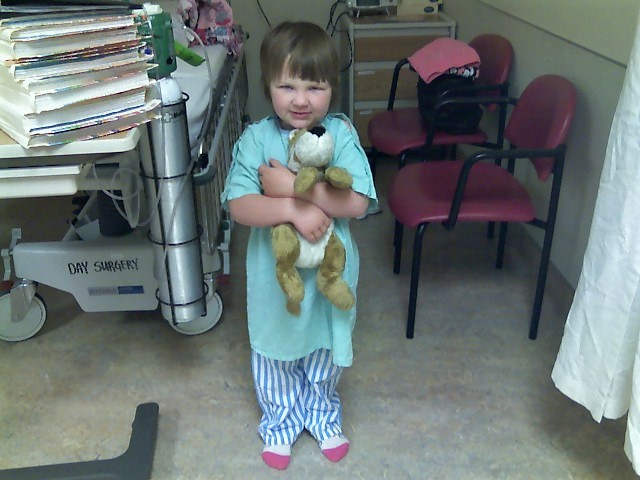
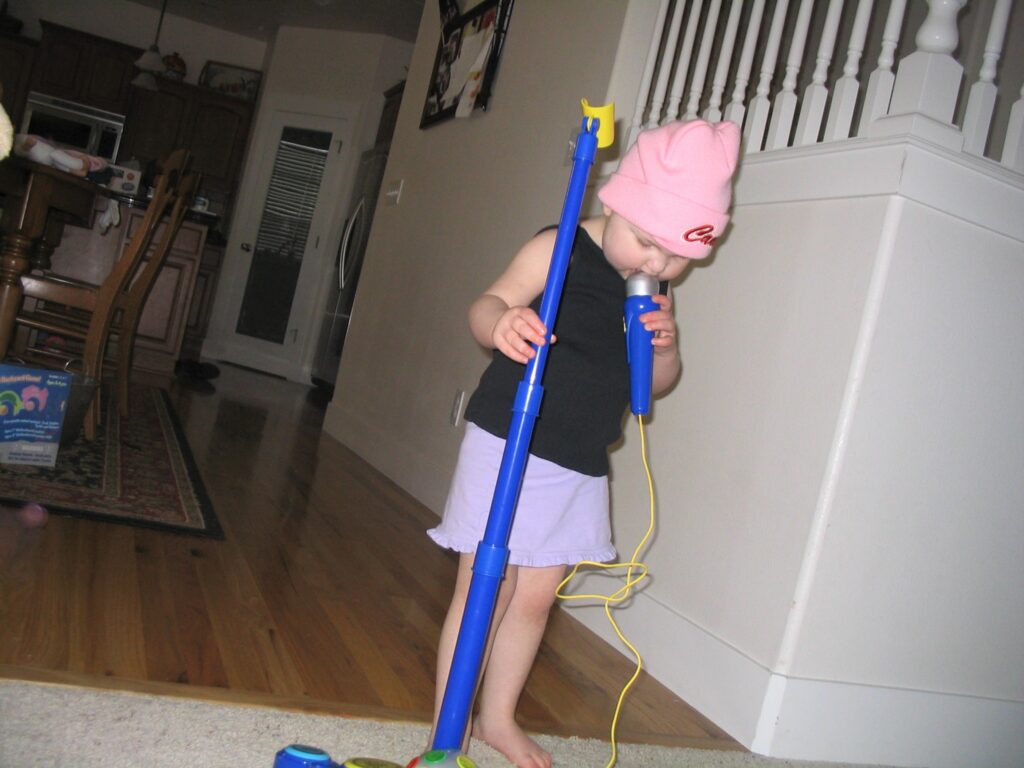
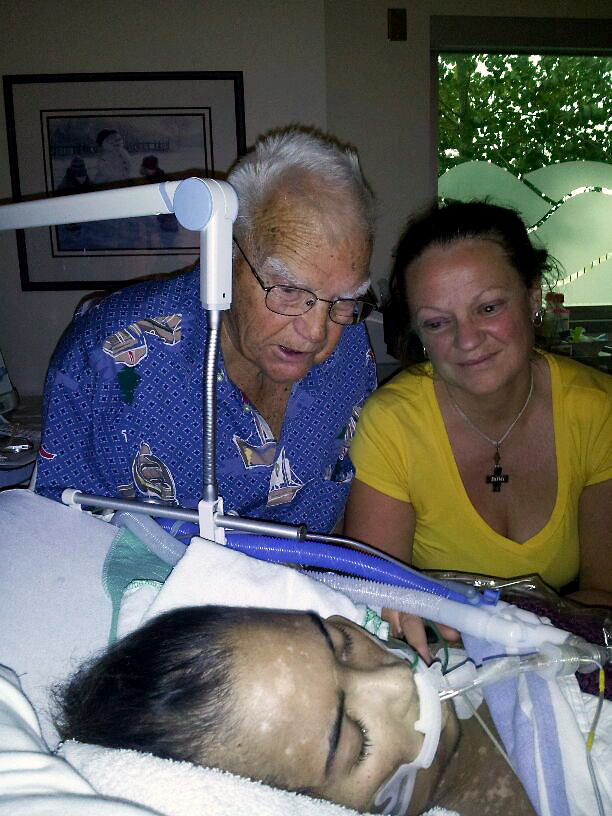
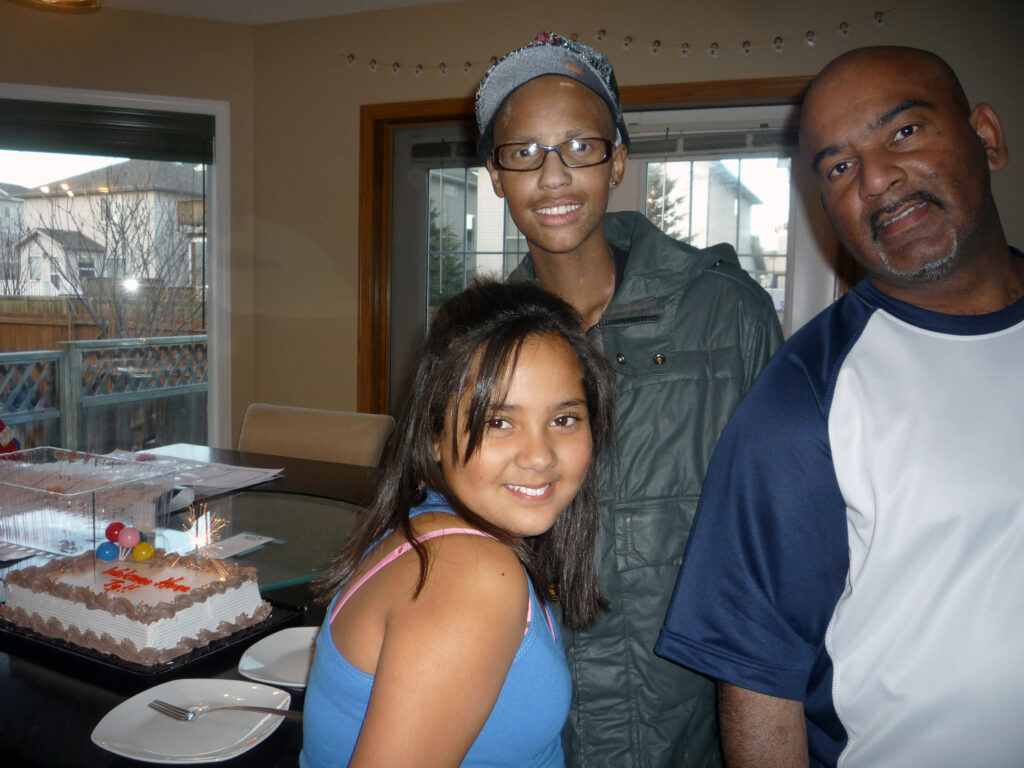
Easton was just finishing up grade four in June 2023 when he started experiencing neck pain and nausea. He’d taken a hit to the head from a soccer ball a few weeks earlier, so his parents Amanda and Jeff were worried it was a concussion. When his parents learned that Easton was also experiencing vision problems and seeing double, they were even more concerned. What they didn’t know is that with morning vomiting, Easton was showing signs of a pediatric brain cancer. After several doctors’ appointments and a series of tests, including an ultrasound, X-ray, blood work, and an eye exam, the Moppett-Beatches were still no more knowledgeable about their son’s condition.
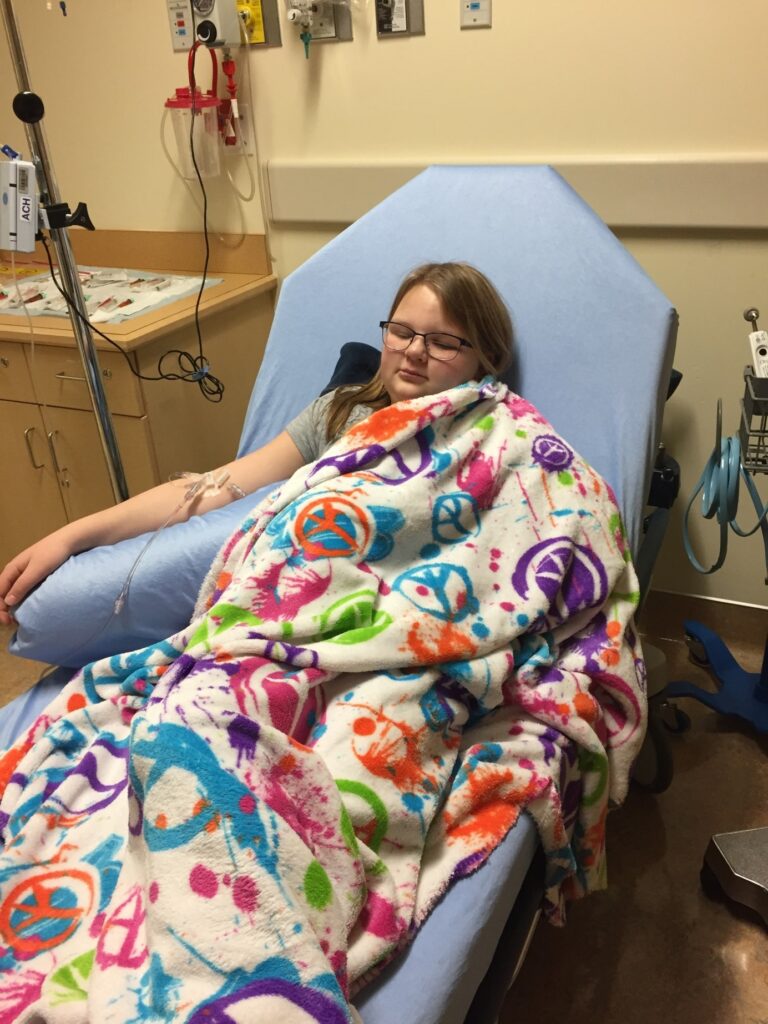
One morning, Easton woke up with neck pain so severe it brought him to tears and later vomiting. His parents rushed him to emergency. A CAT scan, followed by an MRI, confirmed that Easton had a brain tumour. Their world shattered.
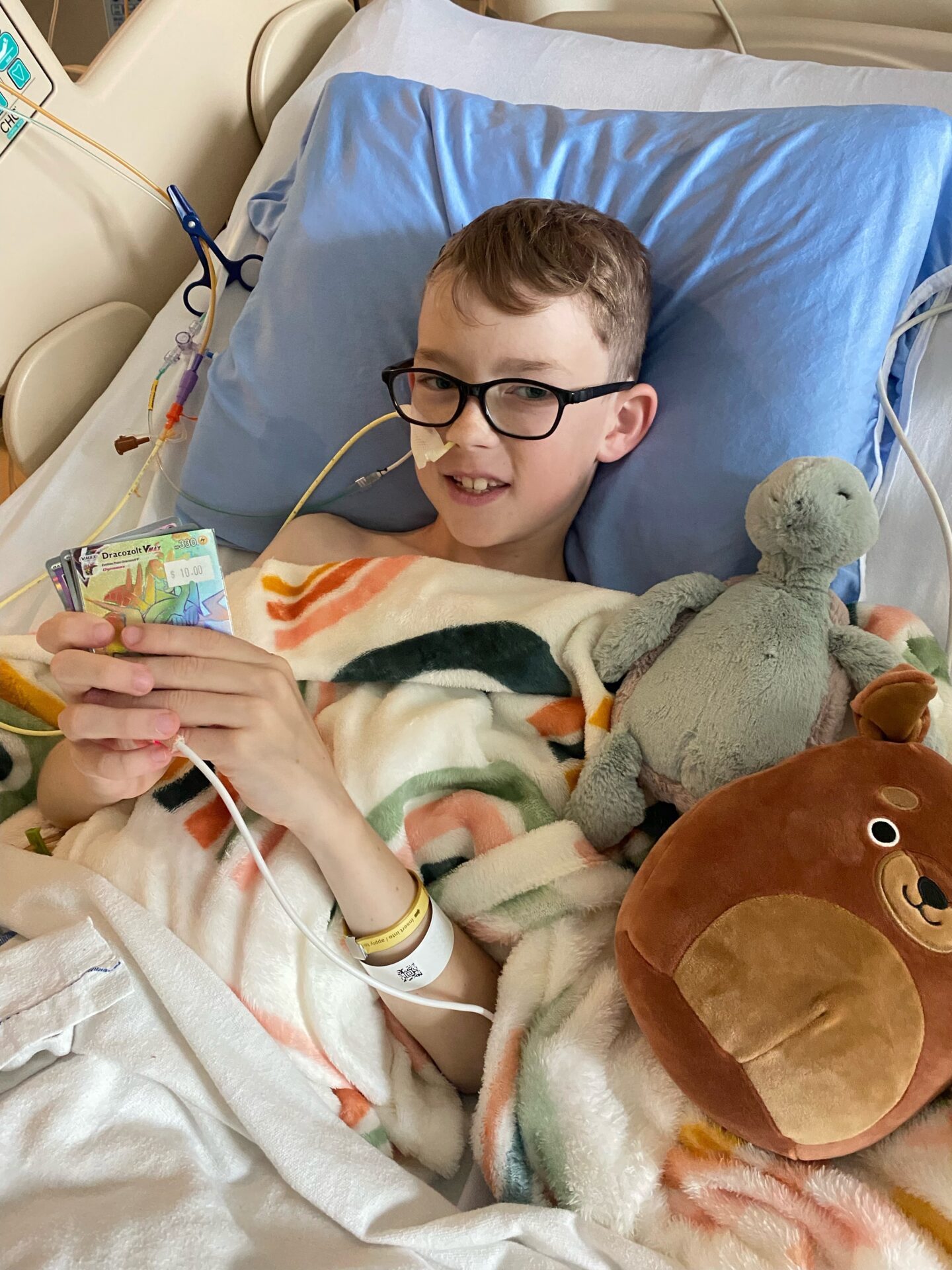
Within a week, Easton had undergone two brain surgeries to remove the tumour. They were intense, risky procedures as the tumour was dangerously close to his brain stem. A biopsy of the tumour revealed that Easton had medulloblastoma — an aggressive pediatric brain cancer. The tumour was the size of a golf ball.
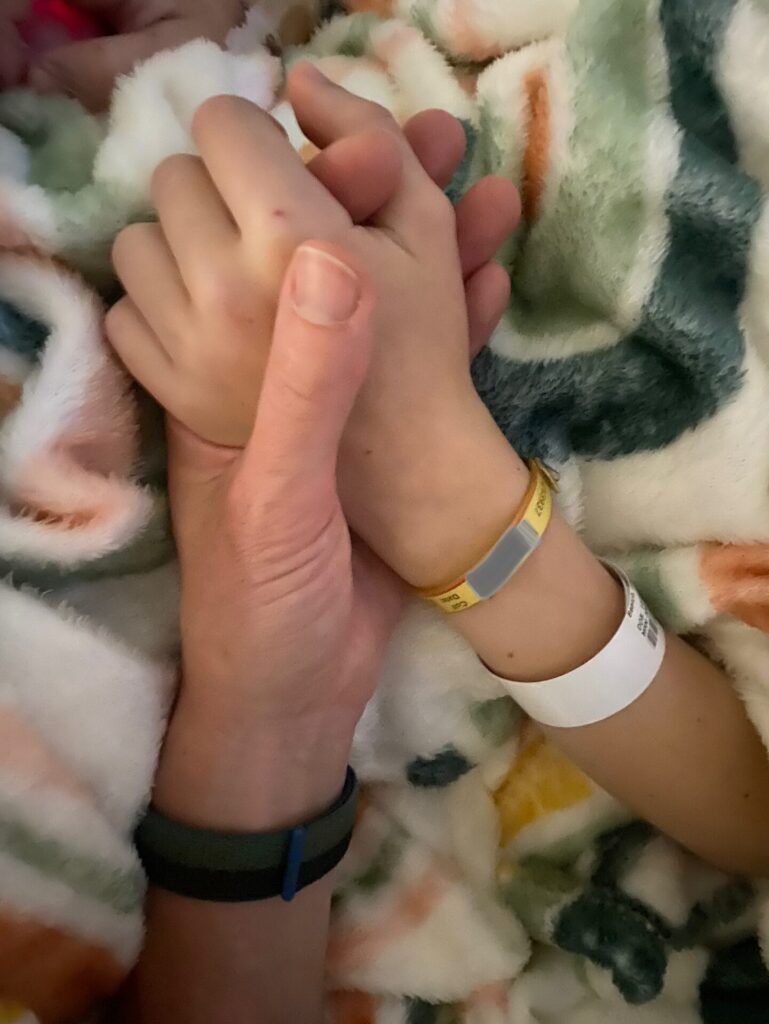
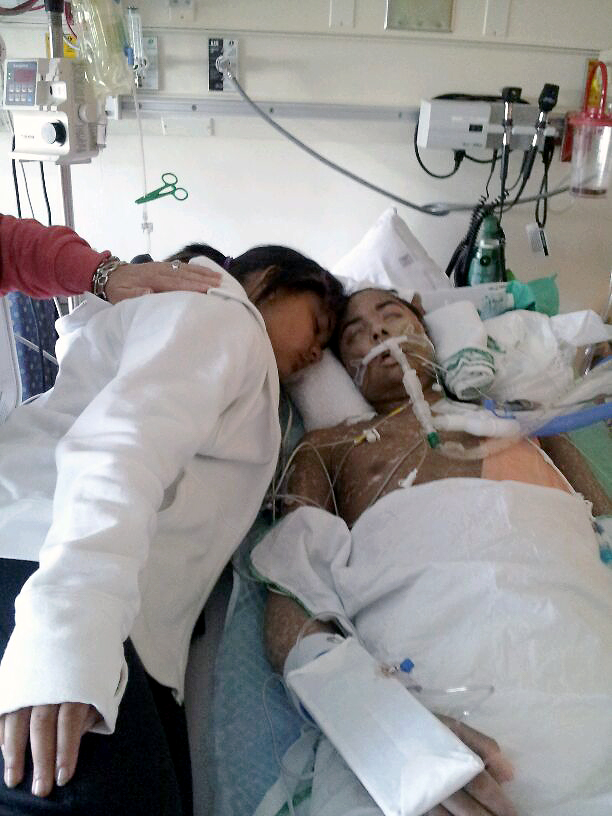
“Words cannot express what it was like to wait during this time,” says Amanda. “We held his hand in the PICU until the next morning at 9 am, just waiting for him to wake up, to talk, so we could finally breathe again.”
Jeff agrees: “It was the worst news. We could hardly bear to tell him. Two brain surgeries in one week. It was almost unbearable for all of us.”
During the second surgery, the surgeon was able to remove 100 per cent of the tumour. That was the good news.
The bad news was that Easton could not move after the first surgery. That would mean another 21 days in the hospital, relearning to swallow, drink, eat, sit and walk.
Easton was barely walking again when they had to leave for Jacksonville, Florida where he received 30 rounds of proton radiation. Later that fall, Easton was back in Calgary, beginning a six-month chemotherapy protocol.
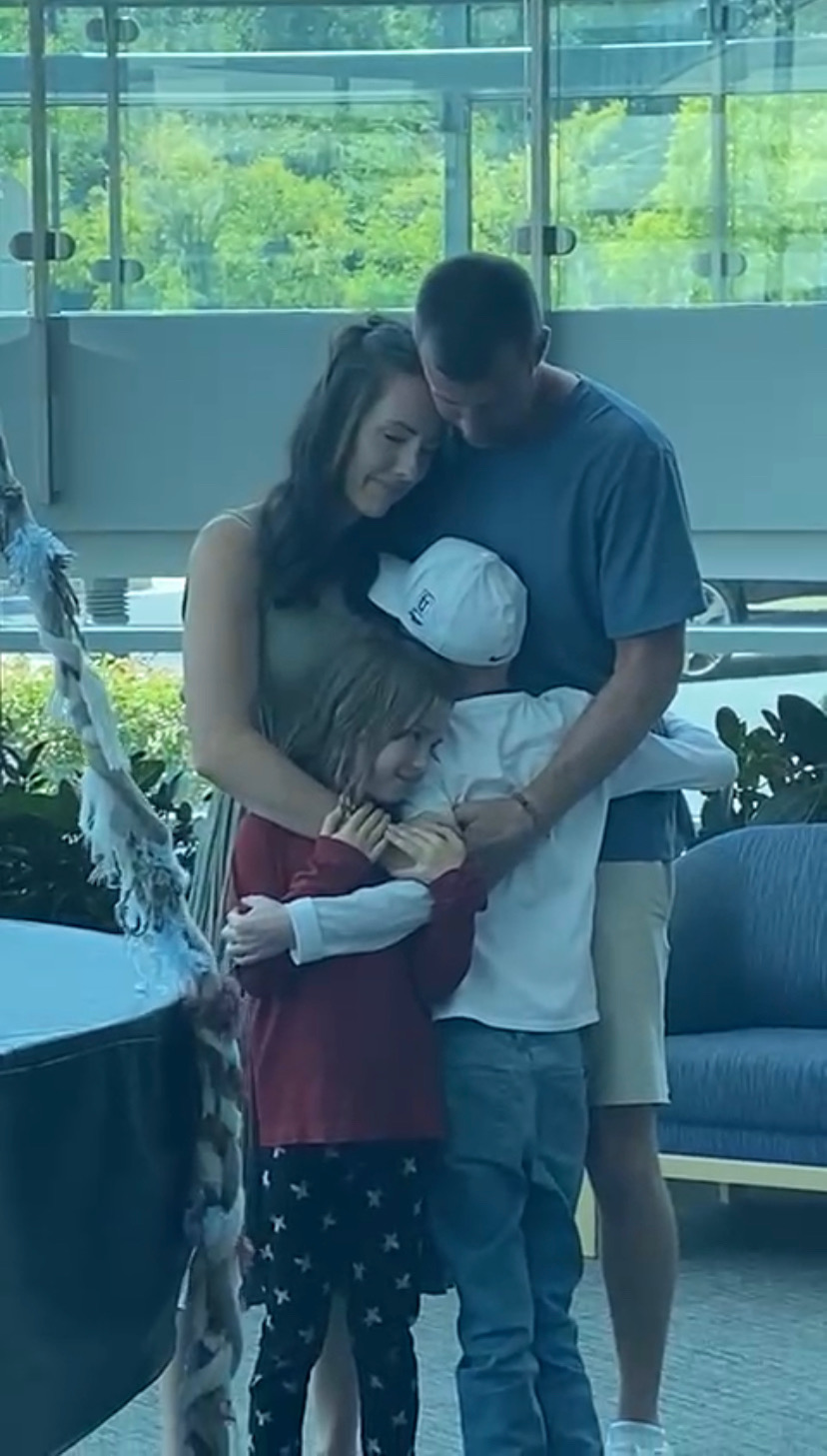
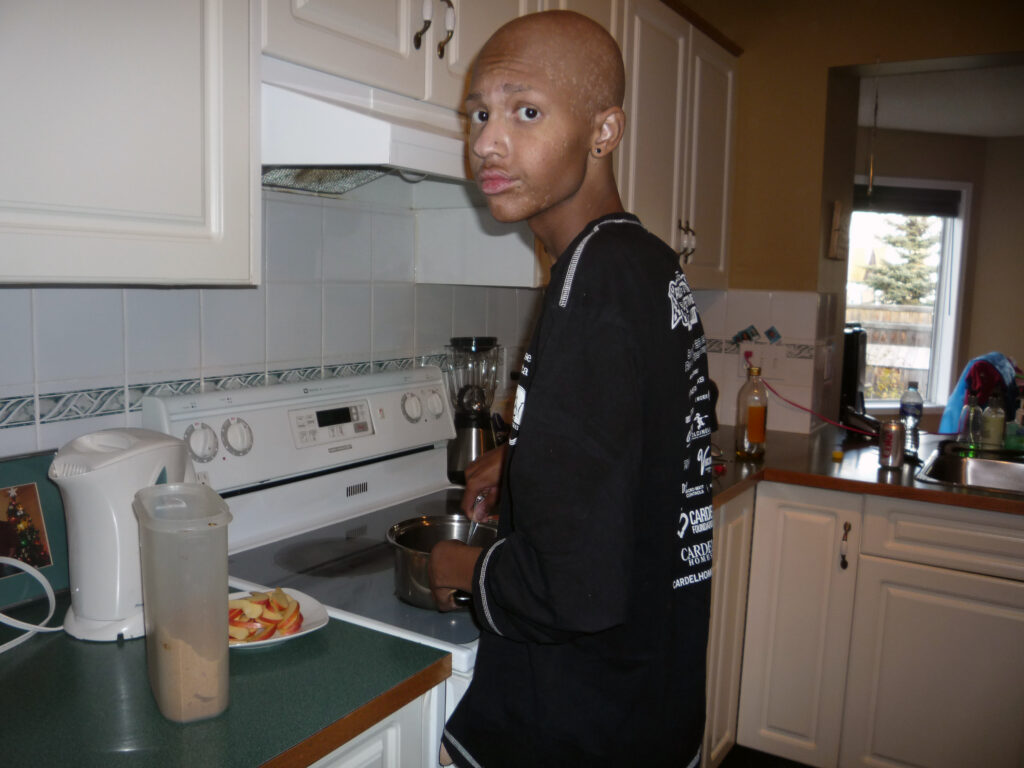
After more than a year of invasive medical procedures, harsh side effects, and intense fear and uncertainty, Easton finally treatment. Amanda recalls the day fondly: “He burst into tears as his class took a field trip to surprise him in the backyard, ringing bells to mark his last chemo treatment.”
That support meant everything to Easton, and with your support, Kids Cancer Care could also be there for him.
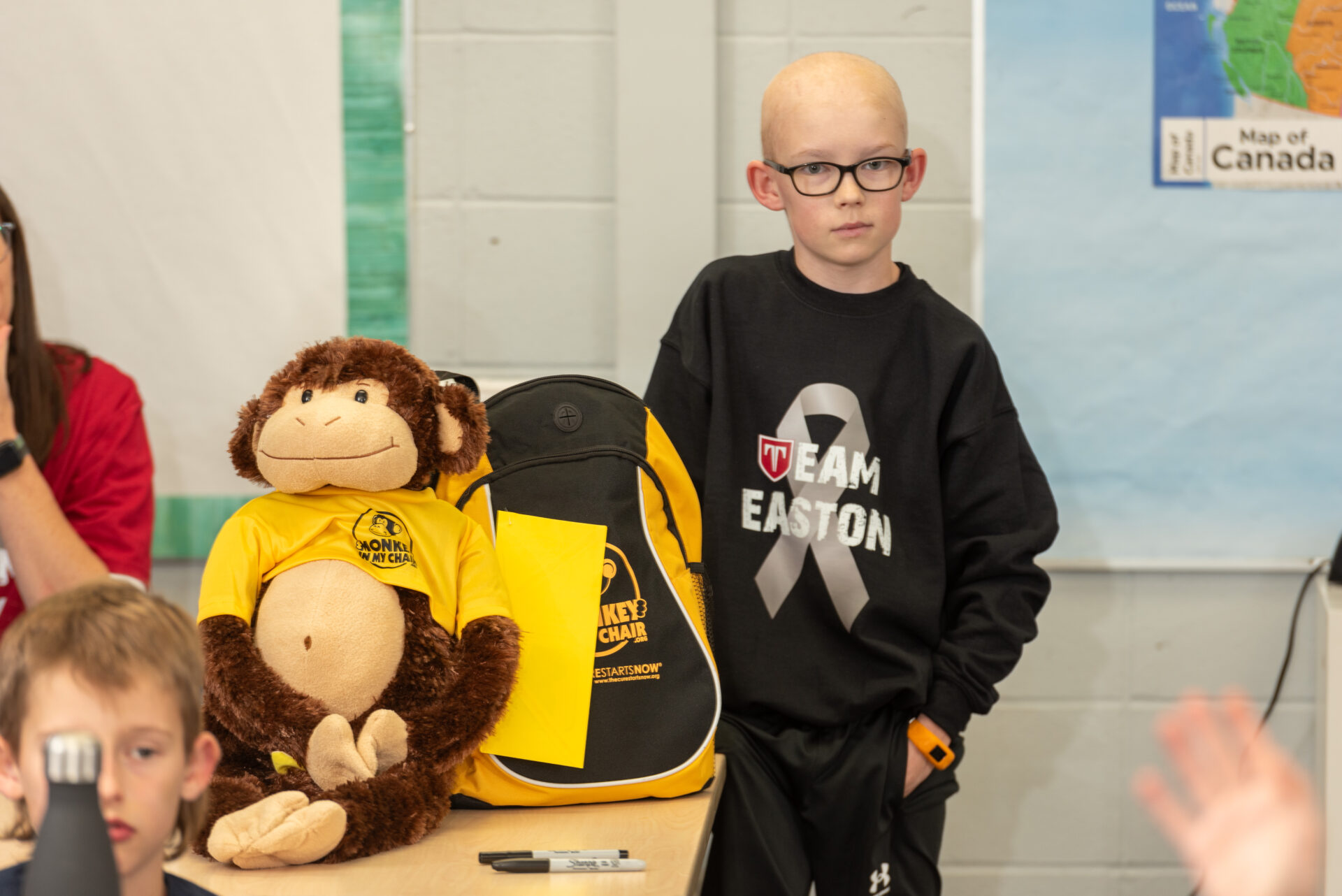
Working one-to-one with Easton, our child life specialist co-created and co-presented a customized Cancer in the Classroom session for his grade five class. Thanks to your support, this unique program helps school children understand cancer and its impact on their classmate. Fostering greater understanding and empathy in school children, Cancer in the Classroom helps prevent bullying and builds character and school spirit.
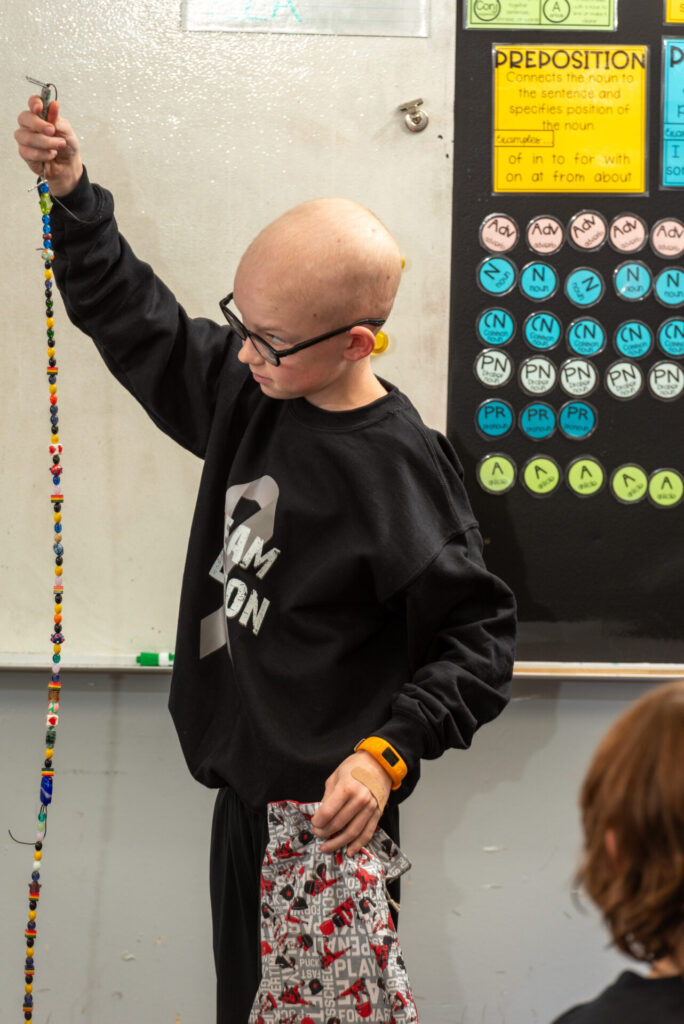
With each session, the class receives a Monkey in My Chair who occupies the desk of the sick child while they’re away. The monkey offers school children a tangible and playful focus around which they can interact.
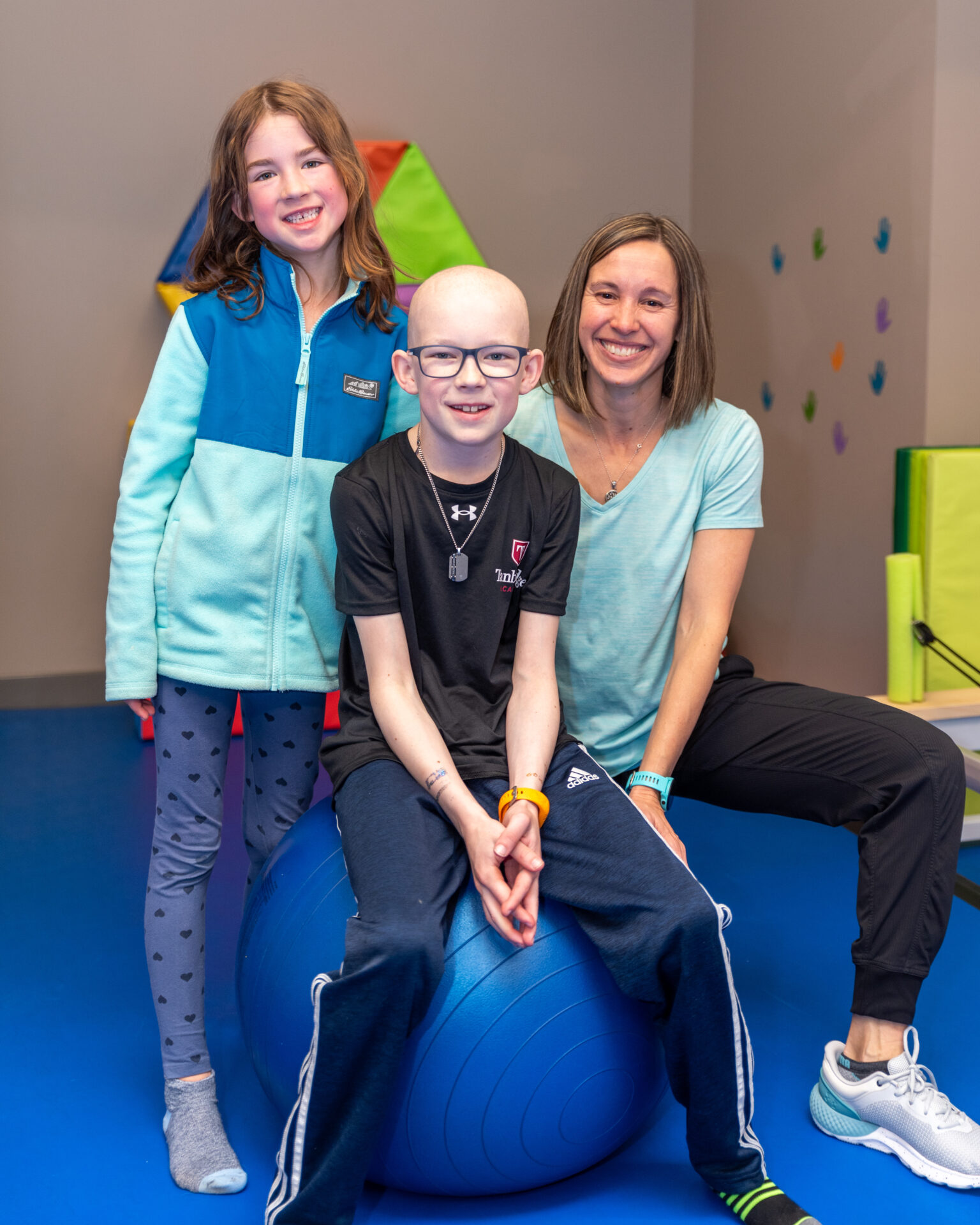
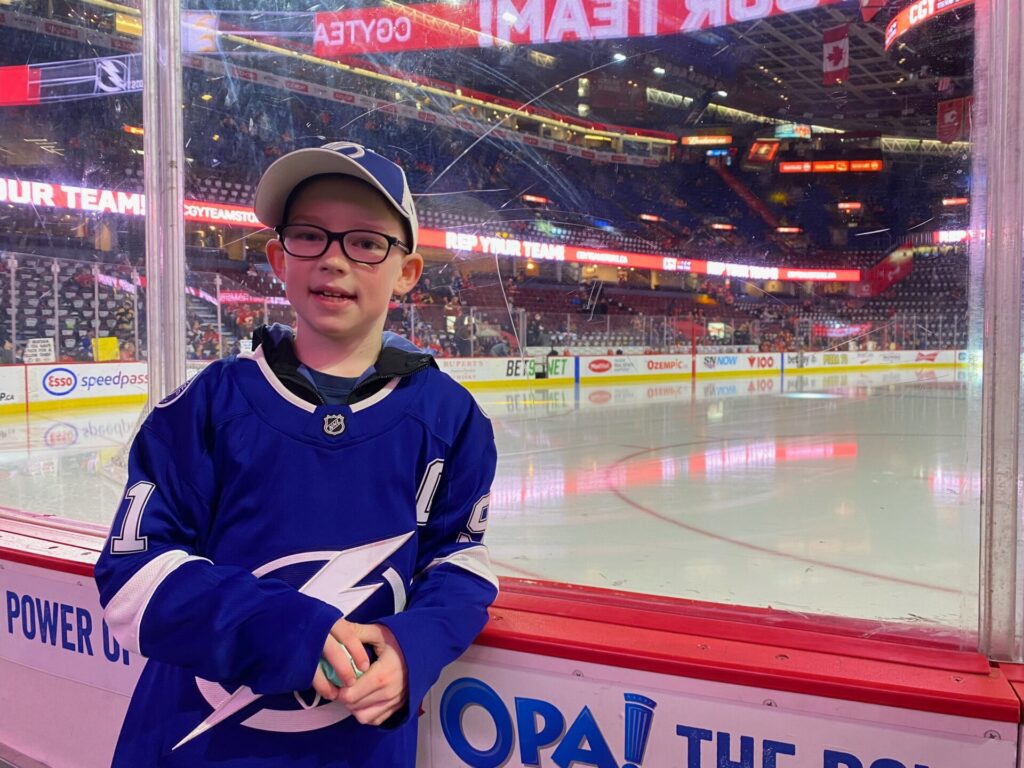
In Easton’s class, the big question was always, “What hat are you bringing for the monkey?” When Easton was too sick to come in, his sister Ellie would bring in the hat for him. Since Easton is a big hockey fan and player, the monkey often wore a Tampa Bay Lightening cap and a Team Easton sweatshirt. His family created Team Easton sweatshirts and later sold them at the school. The initiative increased understanding and support for Easton while raising $5,550 for Kids Cancer Care.
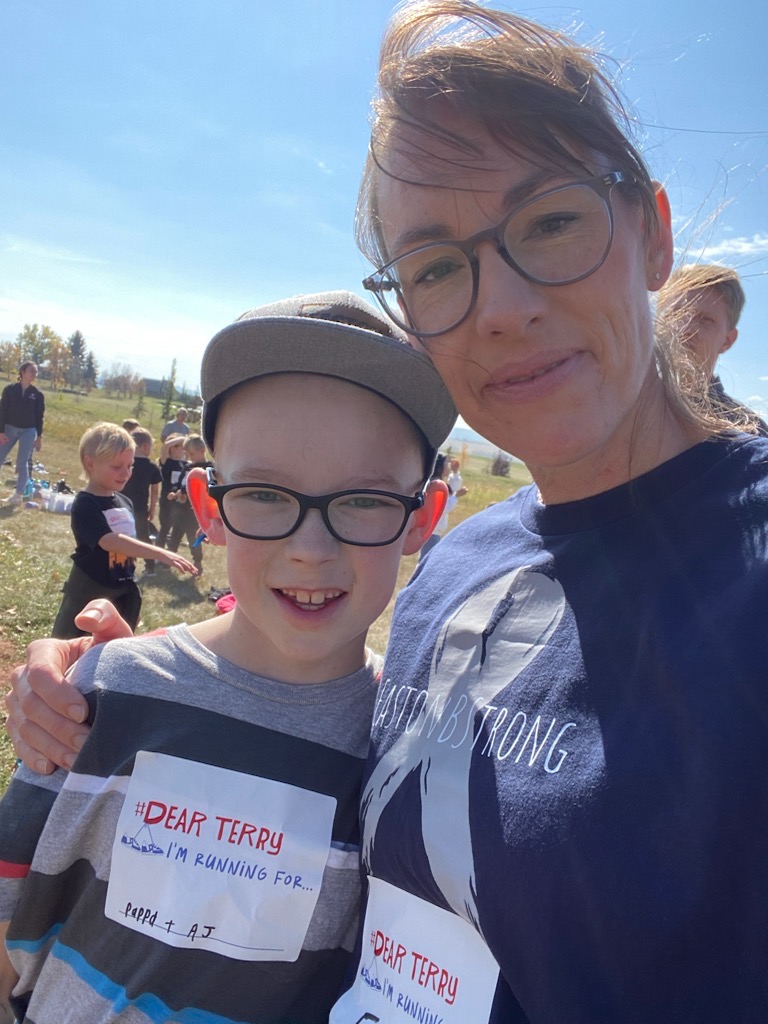
“About 75 per cent of his school happily wears their Team Easton t-shirts daily,” says Amanda. “It was a wonderful way for the school to think of Easton and remember him as he would be leaving school again in October for six months of chemotherapy.”
You’re helping kids rebuild their strength
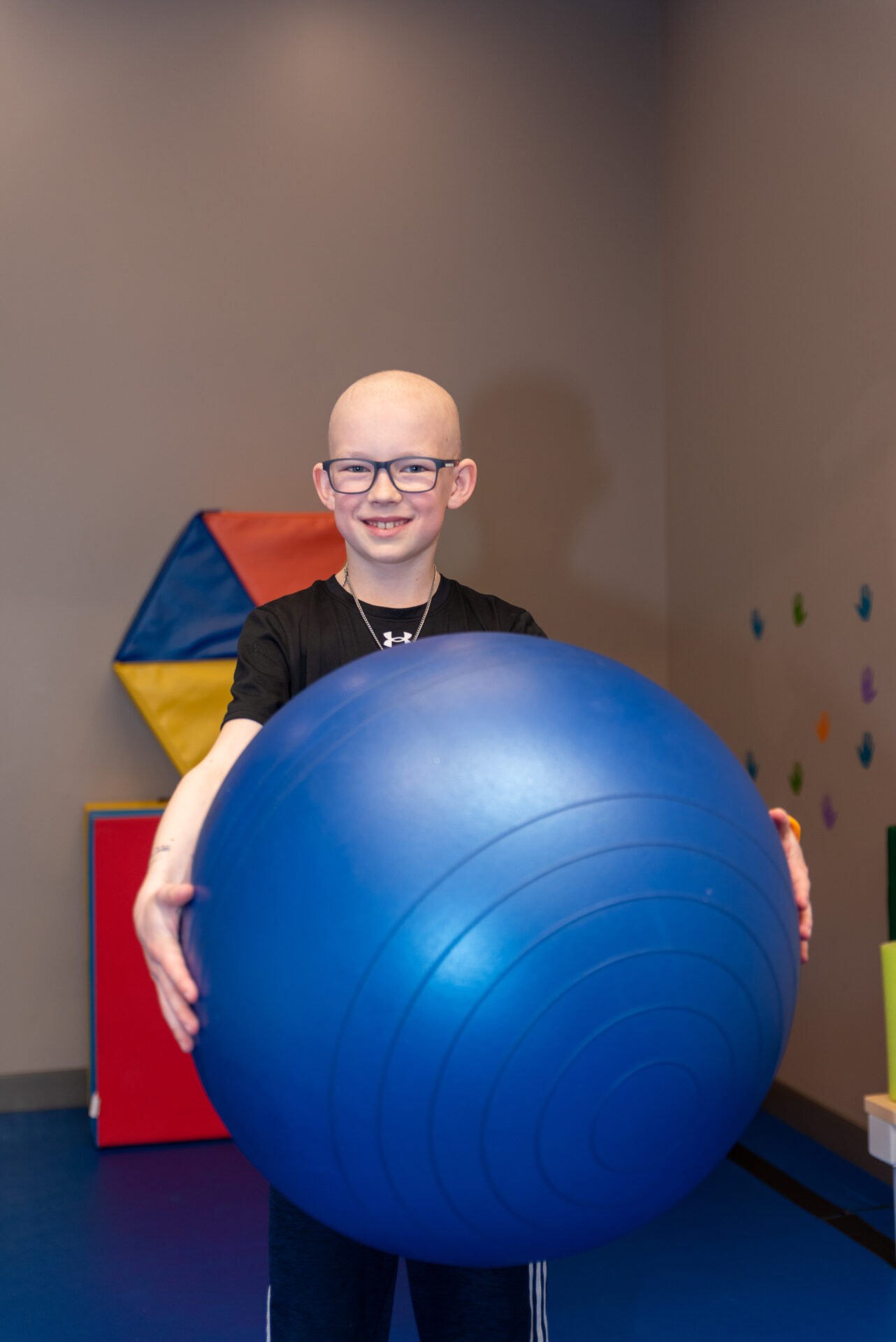
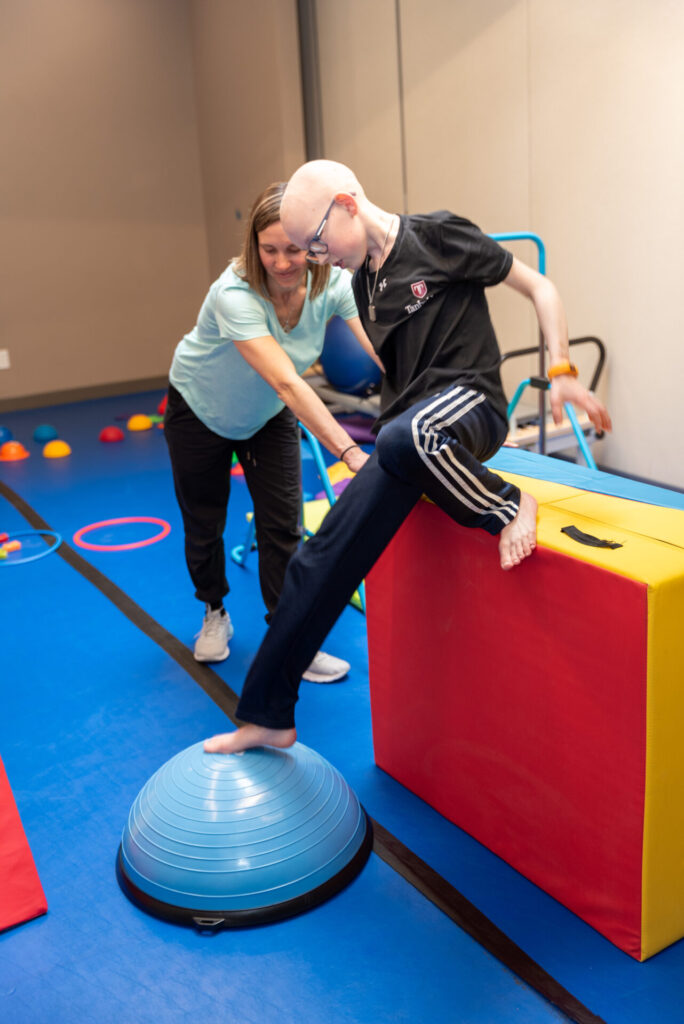
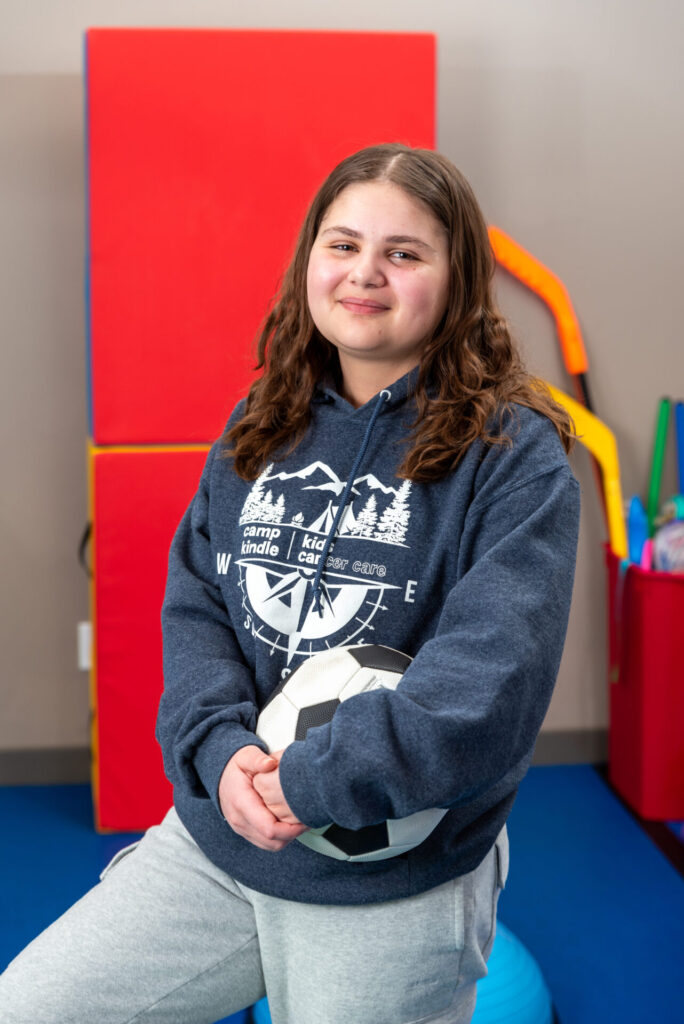
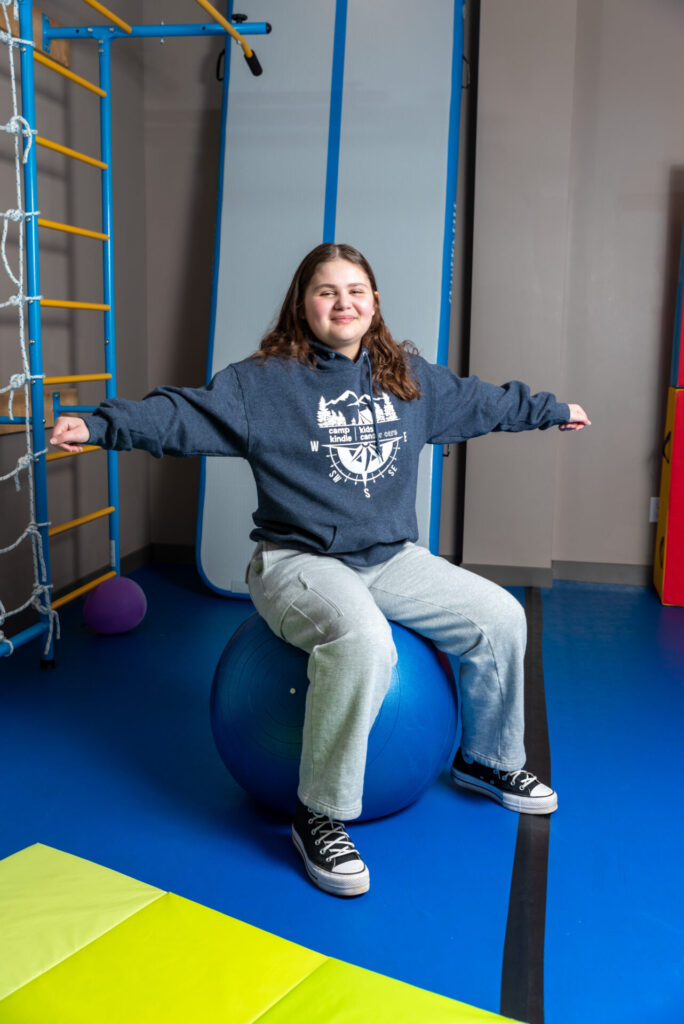
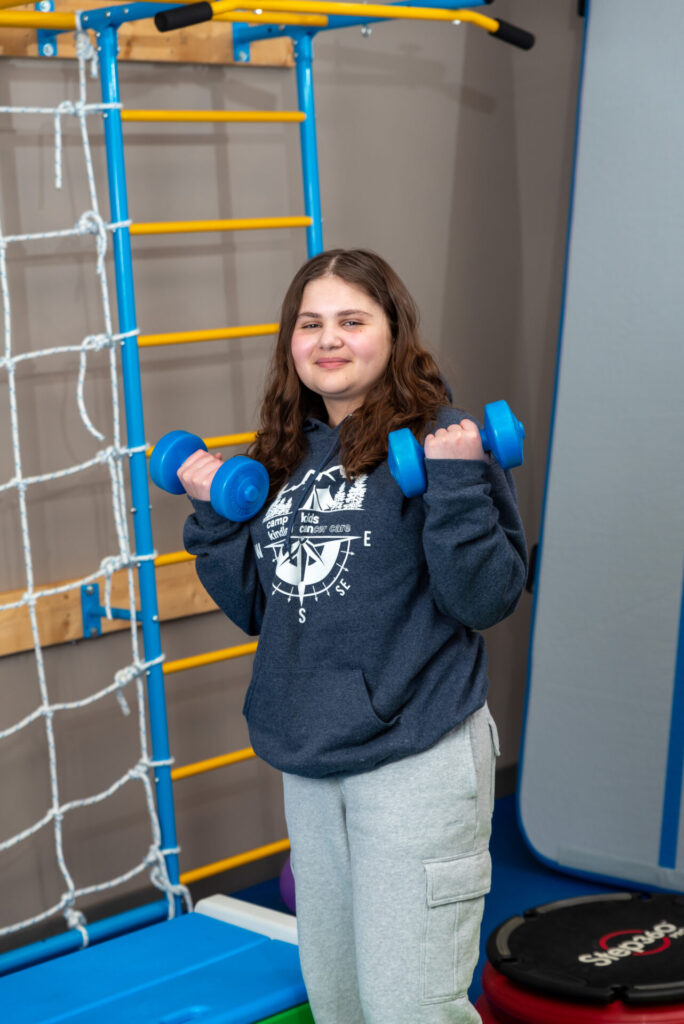
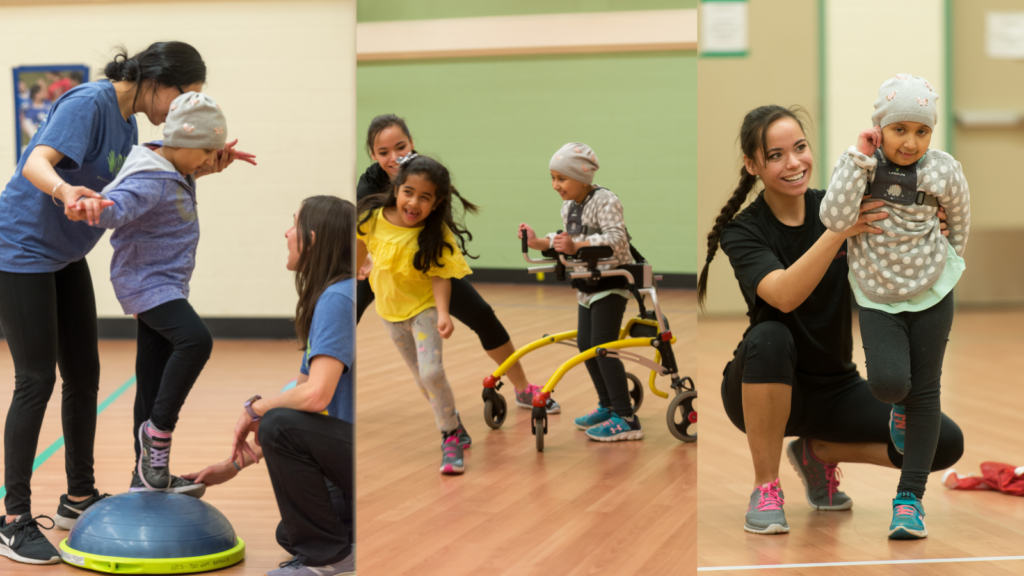
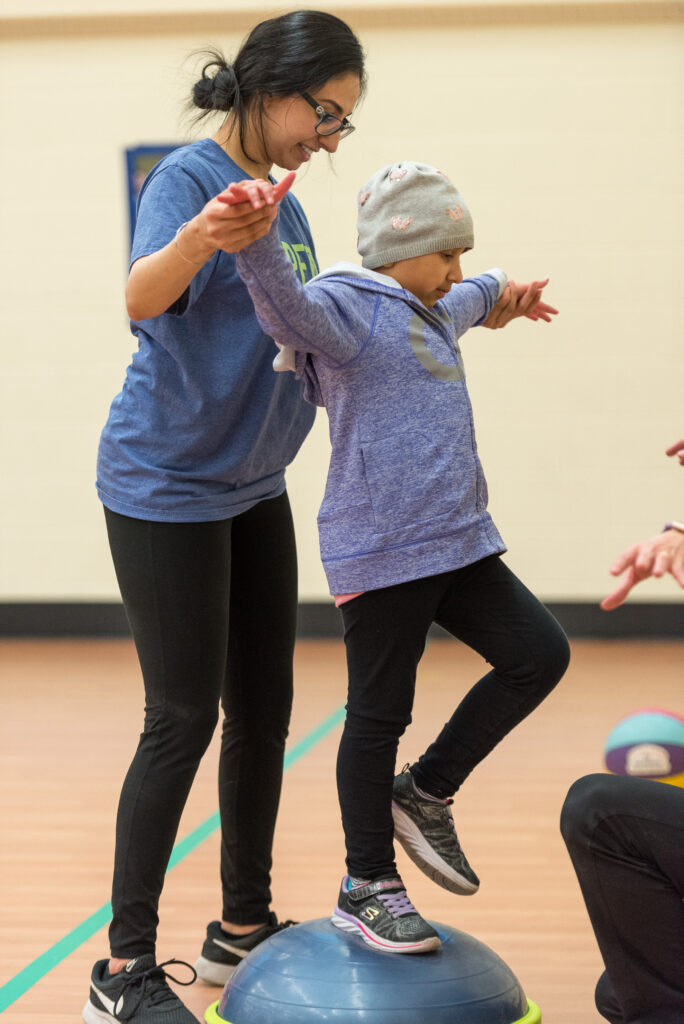
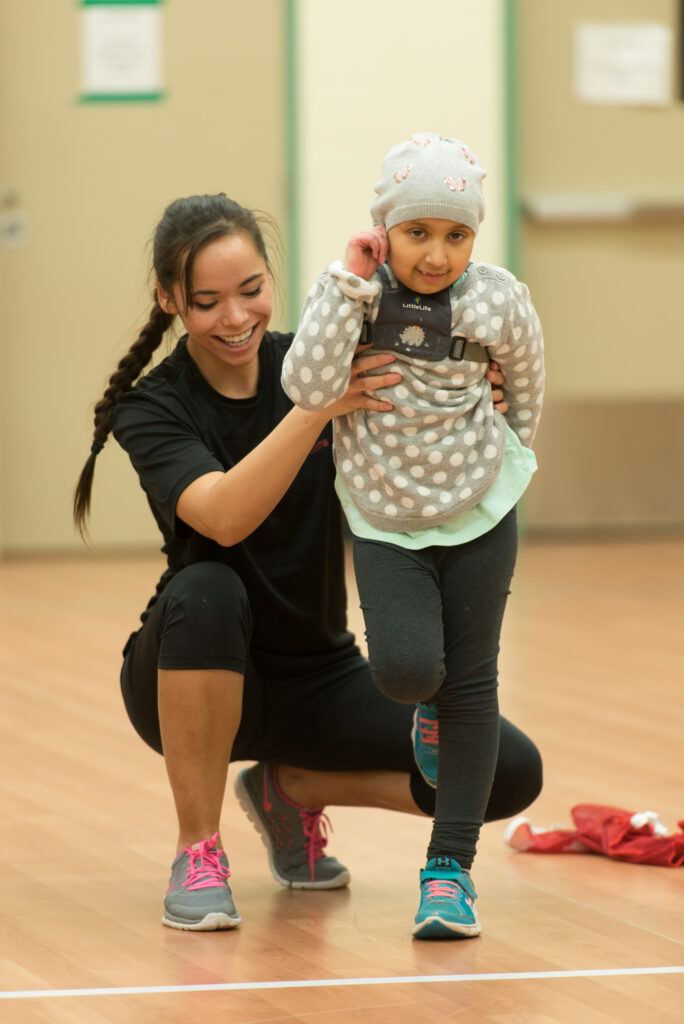
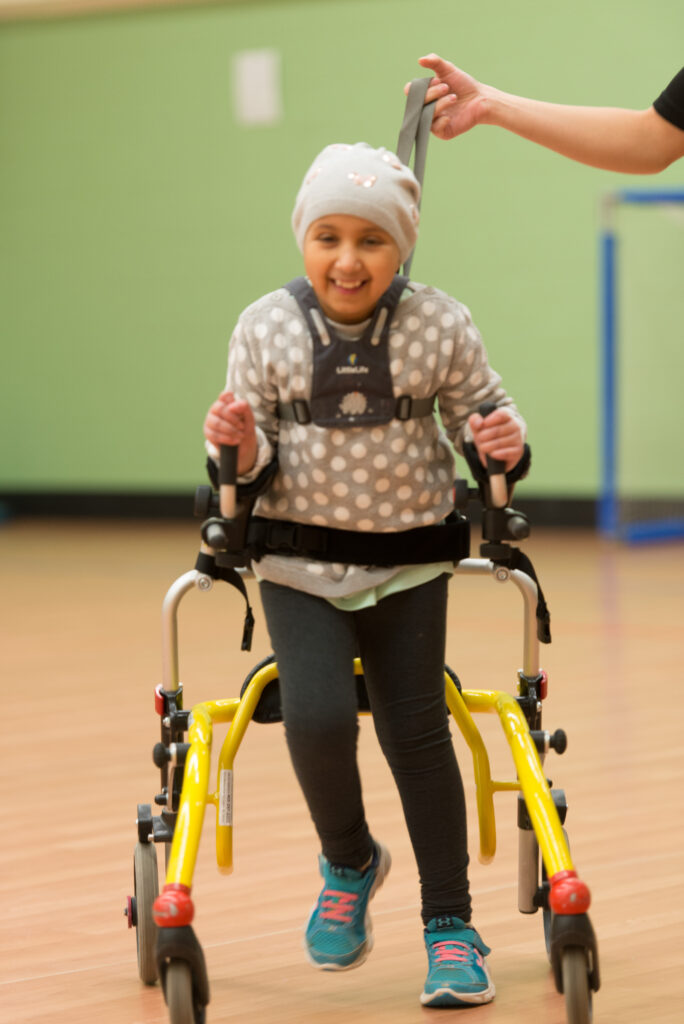
Your support helped Easton rebuild his strength through our PEER exercise program. Working one-to-one with our Ph.D. exercise specialist, Easton gradually returned to his former self.
“These weekly sessions have helped Easton regain his strength, balance, coordination and most importantly his playfulness!” says Amanda.
Designed by a team of pediatric cancer care professionals, PEER helps children combat the deconditioning effects of cancer and its harsh treatments while reducing side effects.
You’re helping the whole family
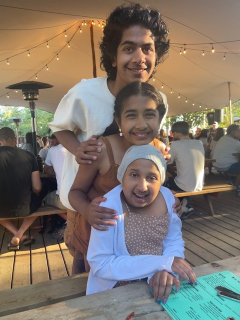
While Easton was busy at PEER, Ellie was busy at PLUS, a five-week program for siblings. Amid the chaos of a child’s cancer diagnosis and treatment, undiagnosed siblings can feel left out and alone. Thanks to your support, PLUS was there to offer Ellie a safe space to explore her feelings and ask questions.
You’re giving families the respite they need
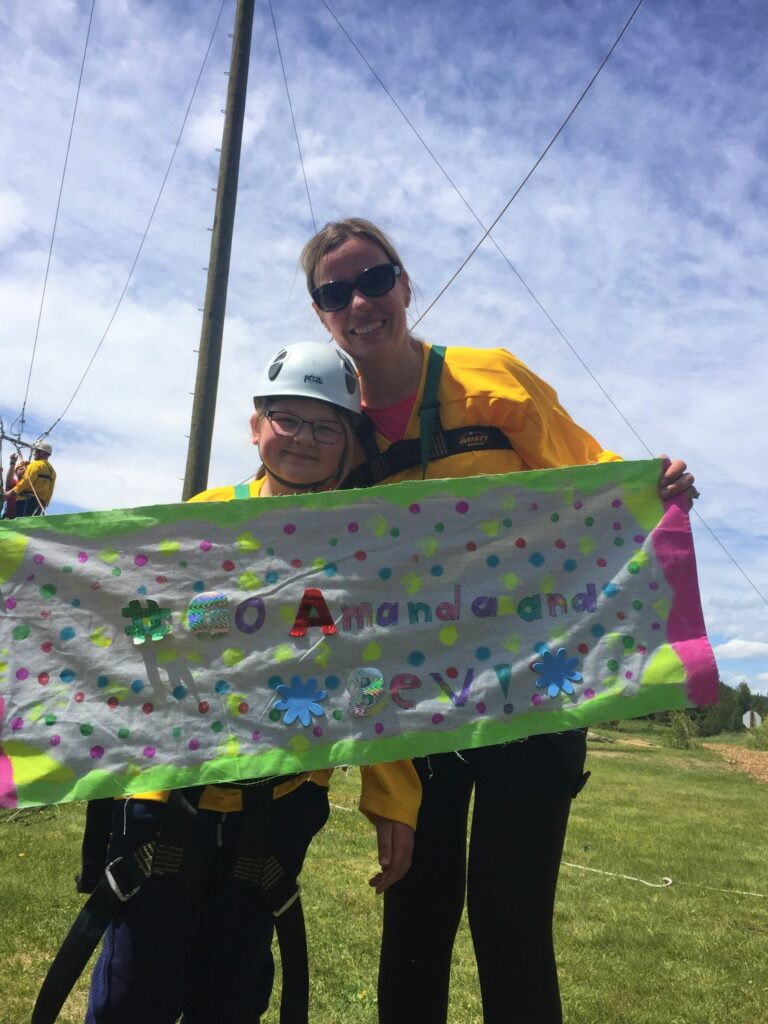
Your generosity also provided the whole Moppett-Beatch family a weekend away at Family Camp where they connected with other families and participated in an array of activities from archery to ropes, giant swing, and arts and crafts.
“We had an awesome time,” says Amanda. “Easton and Ellie made friends and LOVED the camp counsellors.”
“When we were thrown into this cancer world, we were disoriented and lost,” says Amanda. “Kids Cancer Care has been an anchor for us, allowing us to stop spinning and stop spiralling into despair. A ‘village’ for us to settle into, as we slowly stopped to breathe, recover and learn in this new world. We are so grateful for Kids Cancer Care and will continue to do everything we can to support, advocate and fundraise for such a wonderful local charity supporting cancer families.”
Thank you for being on Team Easton and for being part of our village.
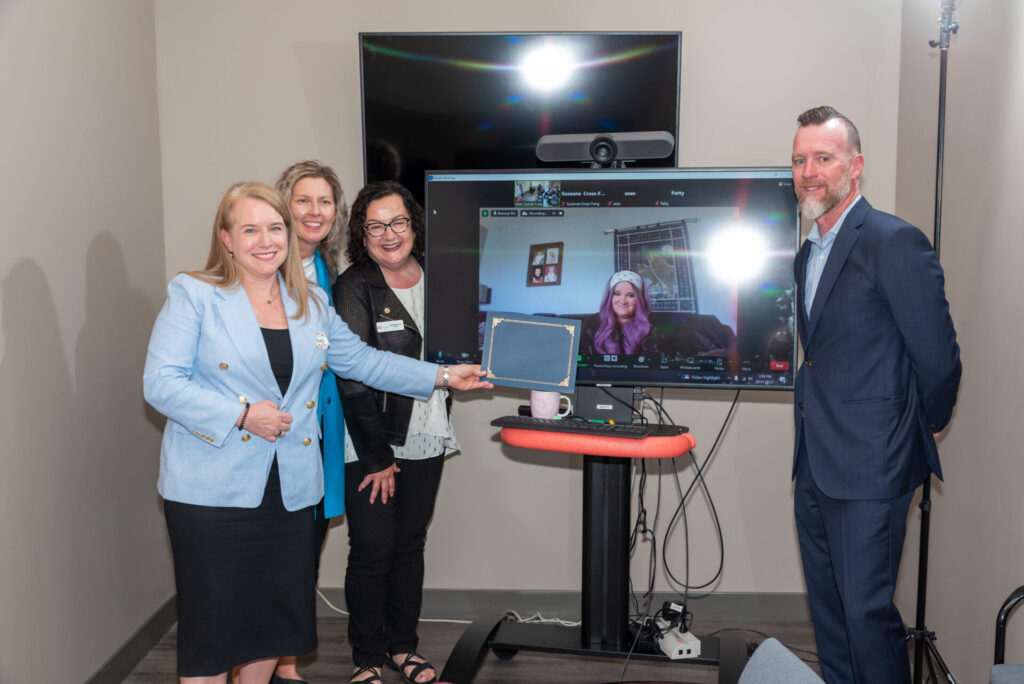
Special thanks to the Flames Foundation for supporting our PEER exercise program and Canada Post for igniting our PLUS program.
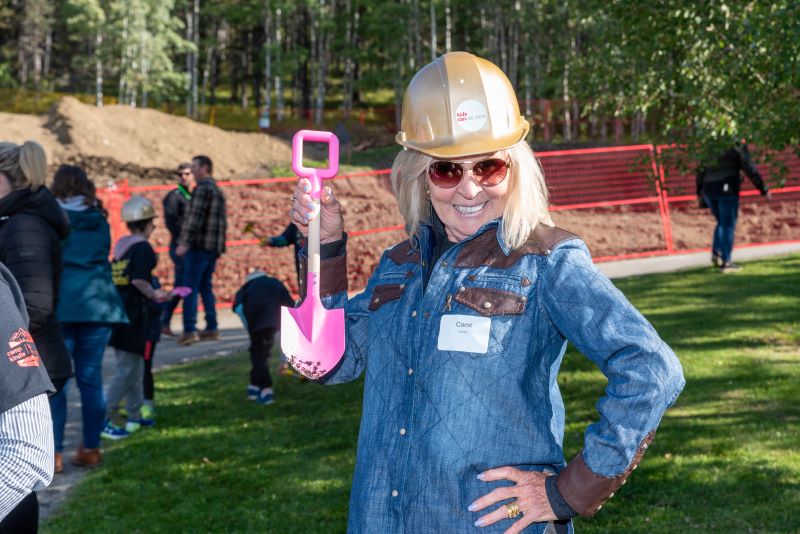
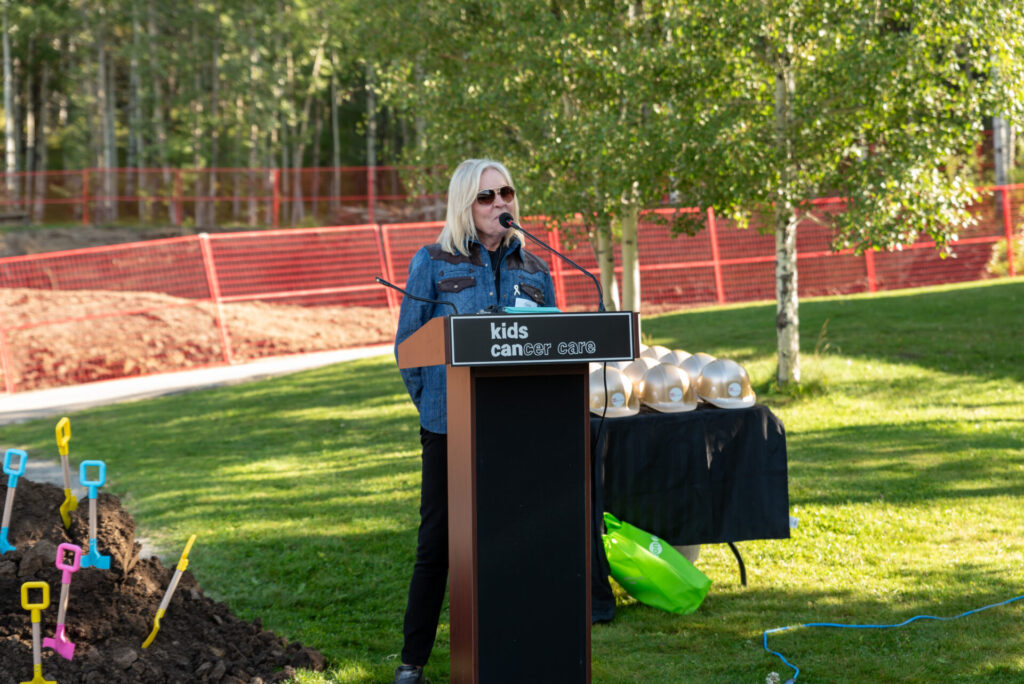
If you don’t already know Carolina Oxtoby, you soon will. She has been championing Kids Cancer Care for over two decades and she’s not showing any signs of slowing down. Quite the opposite. As chair of the fundraising cabinet for the Camp Kindle Expansion and Accessibility Campaign, she and her hardworking cabinet have raised a staggering $7.66 million over the past seven months.
As former president and CEO of Heritage Pointe Properties, Carolina is known for her forward-thinking can-do attitude in business and philanthropy. She is the visionary behind the award-winning community on the southern edge of Calgary that offers the best in rural and urban living with a world-class 27-hole golf course.
Carolina’s commitment to Kids Cancer Care was first ignited when she and Christine McIver, founder of Kids Cancer Care and capital campaign advisor, met at a charity golf tournament banquet and knew they had an instant connection.
“Christine opened her heart and world to me,” says Carolina. “The incredible and emotional story of her son Derek who she lost to brain cancer. It inspired me to learn more about the tragic illness that forever changes the lives of children and devastates their parents and siblings.” That night, a spark was lit in Carolina that she has generously shared with Kids Cancer Care ever since.
In 2013, Carolina participated in the High Hopes Challenge, an annual fundraising event that tests the stamina of Calgary business leaders who take on a series of challenges at Camp Kindle. The carefully selected participants were challenged to raise a minimum of $10,000. Carolina raised nearly $30,000.
The High Hopes Challenge pairs each business leader with a child affected by cancer who literally shows them the ropes at camp. Carolina was paired with Kayla, a teenage girl who was battling brain cancer while her mother was battling relapsed breast cancer. This time it was terminal.
A cancer survivor herself, Carolina went above and beyond to help Kayla’s family. Friends of the family established a Carpe Diem Fund to ease the financial burden for the family.
“We were three musketeers and were invincible, knowing that Shannon’s life was fading, and Kayla’s future was uncertain,” says Carolina. “We had matching Carpe Diem tattoos to seal our bond and our love for each other.”
Shannon and her children Kayla and Tyler lived deeply and richly until she took her last breath in January 2016. Kayla has since graduated from the University of Lethbridge where she studied psychology with the help of a Derek Wandzura Memorial Scholarship from Kids Cancer Care.
Shannon and her children Kayla and Tyler lived deeply and richly until she took her last breath in January 2016. Kayla has since graduated from the University of Lethbridge where she studied psychology with the help of a Derek Wandzura Memorial Scholarship from Kids Cancer Care.
“Kayla has climbed many mountains and today remains cancer-free,” says Carolina. “Her journey has been inspirational with her courage and determination.”
These days, Carolina is pouring her heart into the Camp Kindle Expansion and Accessibility Campaign for children like Kayla. The project will expand capacity, enhance outdoor and indoor program spaces and improve accessibility for children with mobility issues. It includes the following buildings and structures:
A multi-purpose building with an arts and craft workshop, teaching and learning kitchen, a wellness hub and collaboration stations to ignite creativity, culinary innovation, connection and collaboration;
Staff residences to look after the hardworking staff who care for the children and Camp Kindle operations;
A treehouse village that will stir curiosity and wonder in young minds, inspiring imaginative play, active learning and movement;
An outdoor percussion playground named Christine’s Conservatory that will offer a creative outlet for future musicians and composers while honouring the 30-year legacy of Kids Cancer Care’s founder Christine McIver; and
Landscaping and accessibility enhancements such as switchbacks instead of stairs to connect the Upper and Lower Kindle Villages.
Carolina’s experiences as a cancer survivor and a High Hopes Challenger give her precious insight into the importance of cancer camps in kids’ lives, uniquely qualifying her to lead the campaign.
“Camp restores childhoods,” says Carolina. “It gives them opportunities to develop lifelong friendships and skills that sustain them as they return to the day-to-day realities of cancer and its late effects.”
Tracey Martin, CEO of Kids Cancer Care agrees: “Children with cancer miss out on a lot, like playdates, school, sports and other extra-curricular activities — experiences that are essential for healthy brain development. Without these early life experiences, kids affected by cancer can fall behind, leading to gaps in skills and development. Camp helps reconnect these kids to their childhoods.”
Childhood cancer survivors also live with at least one chronic or life-threatening health condition related to their cancer treatments. These conditions grow worse with age and without any apparent plateau. They also experience higher rates of depression and anxiety and have lower outcomes in school and work. Kids Cancer Care programs are designed to address these cancer-related conditions to help level the playing field for them.
“I give thanks that I was diagnosed with cancer as an adult rather than a child who has not had the privilege of growing up without the constraints and challenges of this terrible disease that robs them of their innocent youth,” says Carolina. “This is why I volunteer my time and offer what I can to make the world a better place for all the vulnerable children and families who hear the words: ‘You have cancer.’”
“I am so blessed to finish my working career with Kids Cancer Care by doing something I love, that is raising funds, for a place I love — Camp Kindle — with a friend I love, my dear Carolina!” says Christine. “ Together we enjoy nothing more than sharing the campaign plans with prospective donors and watching them transform into donors.”
Carolina feels the same way: “I am honoured to chair the capital campaign. My heartfelt thanks go out to the many business colleagues, friends and supporters for their incredible generosity. They are helping shape the lives of young people. Together we can continue to offer a safe sanctuary where children with cancer can escape and just be kids. I encourage everyone to be part of this magical place. I know I will as I continue to share the gift of caring and support.”
“We are deeply grateful to the generous individuals, businesses, government and construction partners who have embraced our mission to provide the best care and support for kids with cancer by connecting them with their childhood through the Camp Kindle project,” says Tracey.
Kids Cancer Care expects to finish the project by the fall of 2025.
To support the Camp Kindle Expansion and Accessibility Project DONATE BELOW.
Thank you for sharing your spark with Kids Cancer Care, Carolina. You are making Camp Kindle even more magical and accessible for kids affected by cancer.
Special thanks to members of the capital fundraising cabinet:
Carolina Oxtoby
Bill Black
Lyle Edwards
Mark Hodgson
Thilo Kaufmann
Christine McIver
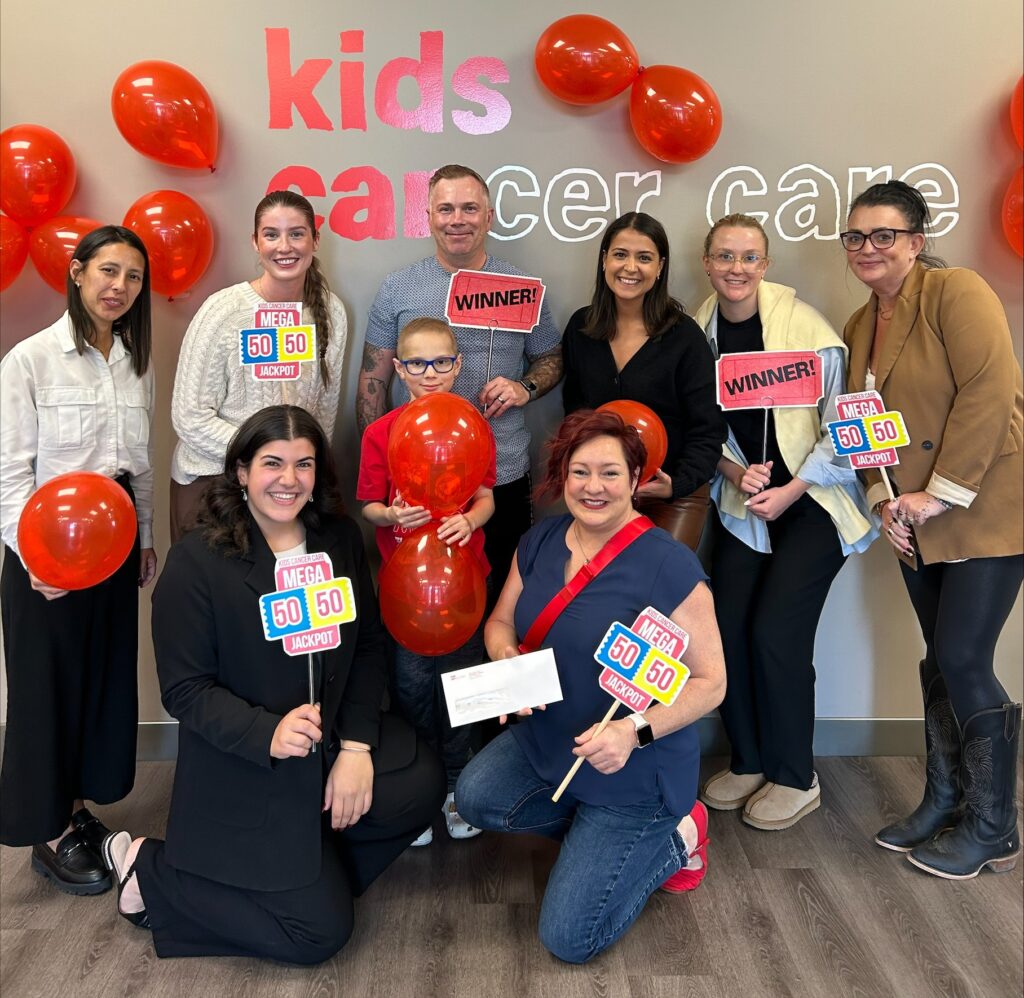
We’re thrilled to announce that Shane Heidt of Calgary is our 2024 MEGA 50/50 winner. With YOUR support, the MEGA 50/50 jackpot grew to more than $35,000, which means Shane is taking home $17,530! Congratulations to Shane and his whole family!
Shane’s son Colton was diagnosed with B-cell acute lymphoblastic leukemia in January 2024. Colton’s parents Shane and Lori noticed that his cheek had started to swell. After a couple of visits to the hospital and an emergency dental appointment, a biopsy was scheduled. After the biopsy on January 11, the Heidt family learned it was cancer! It was their worst nightmare, and their world shattered. Colton was admitted to the Alberta Children’s Hospital on January 21 and had surgery to install an access port under his skin the very next day. The doctors also checked his spinal fluid and bone marrow for cancer. Thankfully, those tests came back negative! Colton started his first round of chemotherapy on January 23 and by the end of the week, his cheek swelling was already starting to go down. Much to his parents’ amazement Colton did not have too many side effects. He would feel crappy the day after his chemo session but would quickly bounce back.
Kids Cancer Care was there for the family right from diagnosis. “Kids Cancer Care was a light in the darkest moment of our lives,” says Shane.
After 8 long months of being at the hospital every week, Colton is now doing great. He has transitioned to the maintenance phase of treatment. This means fewer trips to the hospital. Now he only visits once a month for blood work and every 3 months for intravenous chemo. Colton is still taking oral chemo every day but is back to school and his friends.
“This will be our new normal until March 2026 when he can finally ring that bell and say he is cancer-free. There will still be visits to the hospital for the next few years to make sure nothing has come back, but the good news is there is a 95% chance with his type of cancer and his treatment that he will be cured. We never thought in a million years that we would be in this situation. We now know how important foundations like Kids Cancer Care are. We are truly thankful for all the programs we’ve been able to access. Helping other families in their need is rewarding in itself but winning the 50/50 makes this a full-circle journey for us. We cannot thank Kids Cancer Care enough.”
THANK YOU for buying our MEGA 50/50 tickets! The funds raised through this 50/50 will directly benefit kids and families impacted by cancer – so the real winners from this raffle are the kids and we are truly grateful! A HUGE shoutout to Daytona Homes for being our incredible partners and supporters this year!
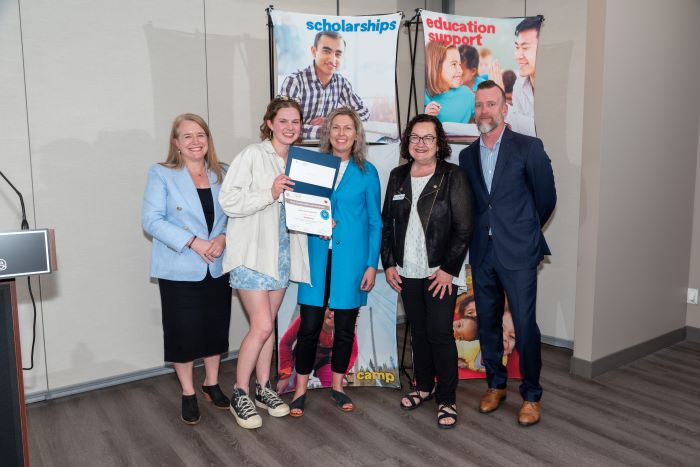
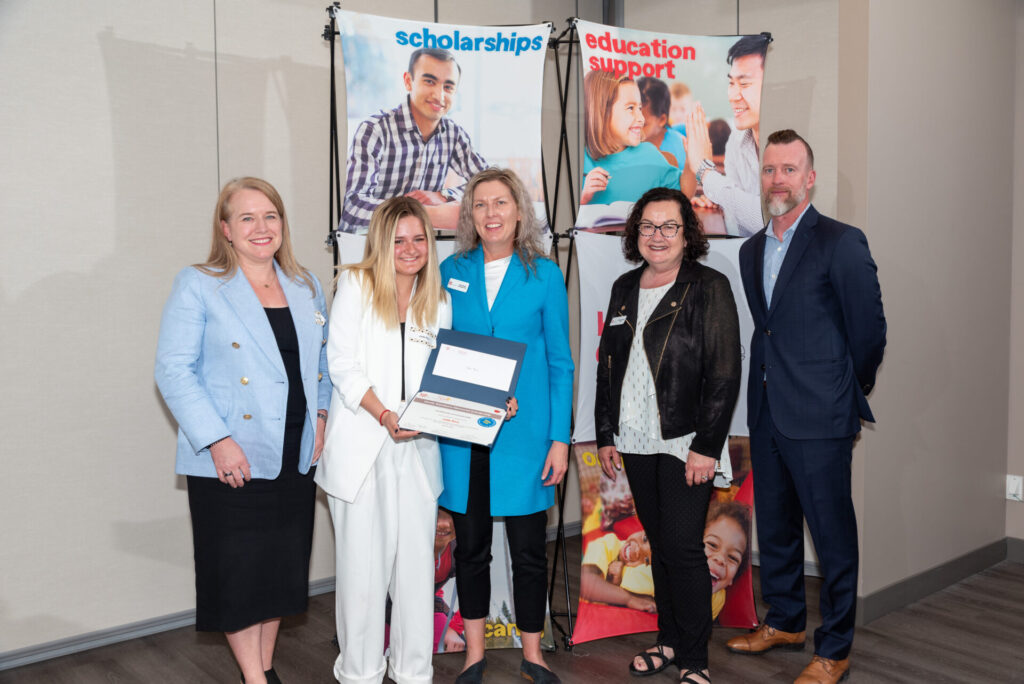
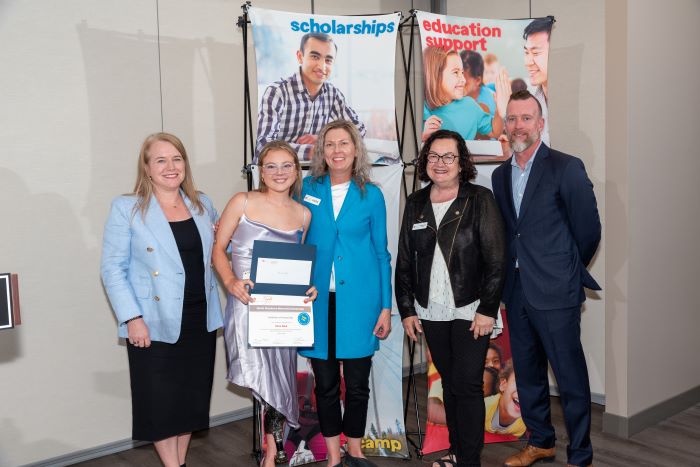
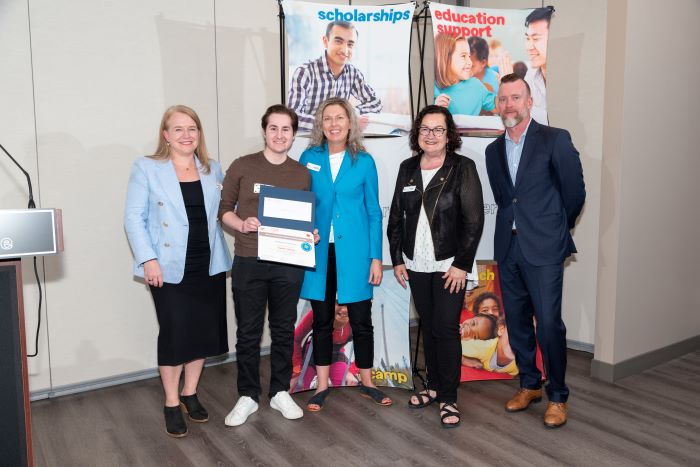
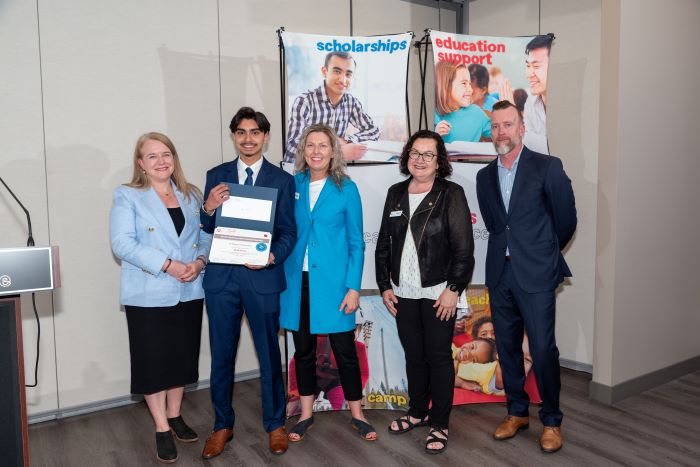
This June we celebrated an incredible group of young adults as we awarded them Derek Wandzura Memorial Scholarship. This year, we awarded the largest dollar amount to each individual to date. This is the 16th year of this scholarship and with this year’s recipients, we have awarded over $468,000 in scholarships to 218 deserving young people.
Over the past 16 years, we have seen the scholarship fund grow and impact many lives. This endowed fund, administered by the Calgary Foundation, is at over $1 million today! It will be here for future generations and is meant to help level the playing field for childhood cancer survivors. Pediatric cancer leaves its mark through a litany of physical, emotional, cognitive, and psychosocial late effects. This scholarship is our way of showing that we believe in each childhood cancer survivor and want to help give them the best start as they take the next step in their life.
Here are our 2024 scholarship recipients.
Zoe McCoy
Diagnosed with bilateral Wilms tumor, Zoe McCoy found solace in drawing, reading and writing, diving deep into books that allowed her to experience adventure. Being creative was and remains her escape today when she is not working toward her goals. As she grew older, Zoe fell in love with public speaking and justice. Going into her second year of political science at the University of Calgary, Zoe hopes to become a lawyer one day. She wants to represent and empower underprivileged people.
Jada Biso
Jada Biso didn’t learn that she was a cancer survivor until she was around 7 or 8 years old, having been diagnosed with stage 4 neuroblastoma at such a young age. Growing resilient from the impact that cancer adds to one’s identity, she had so many positive experiences that came from Kids Cancer Care. Being a part of the Kids Cancer Care community for 10 years, she believes the organization has helped shape her into the woman she is today. Attending Camp Kindle, being an active member of the Teen Leadership Program, and now working as a camp counsellor at Camp Kindle, Jada has come full circle as an active member in this community. She has learned that being a good leader provides others with opportunities to be a leader themselves. Jada has a goal of studying social work or youth care, taking her leadership skills and her desire to inspire others to be leaders themselves.
Keira Neal
Keira Neal was diagnosed with rhabdomyosarcomaat age 1. After beating the cancer with only a 20% chance of survival, adapting to a prosthetic leg, and relearning to walk and run over and over again, Kiera still managed to fill her life with activity with soccer, ice hockey, mountain biking, downhill skiing, gymnastics, and attending Camp Kindle for several summers. At the same time, Keira has been an avid public speaker, sharing her story as a keynote speaker at the Winnipeg Health and Wellness Expo hosted by McFadden Benefits and at the University of Calgary Cumming School of Medicine. She has served as an ambassador with the Alberta Children’s Hospital for over 15 years, and even spoke at the Pyeong Chang Paralympics in South Korea, raising awareness and hope for those with disabilities. Alongside her volunteer work, Keira is a student athlete who has maintained honours and plans to attend the University of Victoria School of Business with the hopes of pursing law later in her educational career.
Nathan Chroney
Nathan Chorney was diagnosed with medulloblastoma at the age of 10. Now at 21, he is looking forward to setting out on his career path. With an interest in IT and gaming, Nathan hopes to attend an in-person IT Support Specialist Certificate Program through Momentum. He believes the program will serve as a stepping stone to explore potential jobs in cybersecurity, systems administration, etc. The possibilities are endless. Nathan’s hope is to build a rewarding and fulfilling career in IT.
Evan Arora
Evan Arora opened his essay with a quote from Aristotle, saying, “we may jointly strive for the greater good of our planet and the people who live in it via civic involvement.” Civic involvement is clearly important to Evan given the volunteer work he does in his community. After being diagnosed with leukemia in 2019, Evan has taken every opportunity to volunteer wherever he can in the hopes of having a positive influence on others. He has taken on tutor roles through the Calgary Public Library, helping individuals in computer programming and basic reading, and volunteering as a reading buddy. We have no doubt you will bring great things to others affected by childhood cancer. Evan will be taking his knowledge and positive outlook on life, to pursue a Bachelor of Engineering while continuing to impactothers through his many volunteer roles.
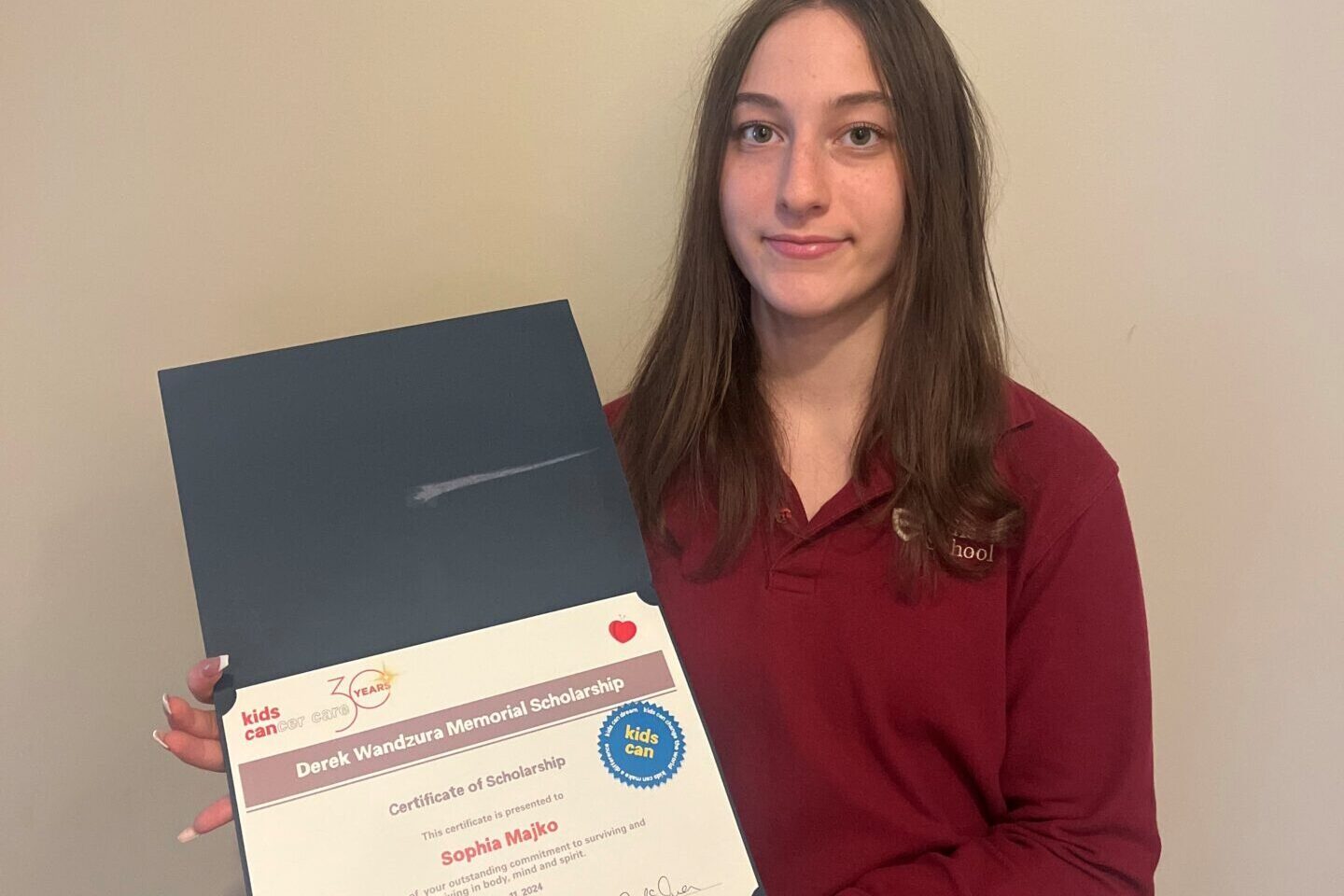
Sophia Majko
When Sophia was diagnosed with Ewing sarcoma, her life consisted of growing up in the hospital. The highlights came from time spent with her sister, keeping her company and bringing familiarity and a sense of safety. Growing up in the hospital, along with a passion for innovation and problem solving in classes such as math and chemistry, shaped Sophia and her educational goals for the future. Sophia witnessedthe power of medical advancements and the dedication of doctors, which fueled her passion for engineering. She wants to contribute to this by developing innovative treatments, tools or machines, offering the gift of life she herself received. She hopes to do this in a Bachelor’s of Science and/or Engineering.
Giselle Pimienta
Giselle Pimienta says that having Langerhans Cell Histiocytosis helped her meet incredible people and create fond memories that still sustain her today. It also ignited positive traits such as perseverance, positive attitude, a loving and caring nature and hope in humanity. Giselle was part of the Kids Cancer Care’s Leadership Development Program at Camp Kindle in 2022 and 2023. This leadership program gave her the opportunity to lead camper groups at camp and ignited in her a desire to pursue a 5-year dual-major in Education and Spanish. Her goal is to become a teacher who instills the qualities she has learned at camp and seen in others. Giselle aims to change lives through her volunteer work with AIESEC, an organization that focuses on empowering young people to make a progressive social impact.
Alyssa Wolfram
Growing up on a farm and being a young woman interested in the trades, Alyssa Wolfram has always had a get-it-done attitude. Diagnosed with Hodgkins lymphoma in middle school, followed by a relapse last year, Alyssa brought her winning attitude to her physical health and academics. She held fast to her goal of finishing high school on a strong note, doing her utmost to not miss school while actively receiving radiation and chemotherapy. From a young age, Alyssa has loved working on vehicles. She’s planning to attend Lethbridge College to pursue a career as a heavy-duty mechanic. It’s so wonderful to see a strong, confident young woman step into a profession traditionally reserved for men.
Mariam Al-Ghafaji
Mariam Al-Ghafaji cannot wait to find her dream job and step into the workforce while reaching her education and career goals. Having a leukemia diagnosis and living with the long-term effects has been a constant struggle and a feeling of being left behind. Hoping to pursue a business administration diploma at SAIT, Mariam is excited to find a job where she is not feeling ‘left out’ due to her health. She looks forward to supporting and paying it forward to her family and herself. Mariam’s big heart is what will propel her into a great career and we can’t wait to see what that looks like!
A heartfelt congratulations to all our outstanding scholarship recipients, you have earned it! We can’t wait to see what you do in the next chapters of your lives and from everyone here at Kids Cancer Care GOOD LUCK!
At nine, Nyah was already a brilliant soccer player. Steadily working her way up to the top teams for her age group, soccer was all she imagined for her future.
Nyah loved school and always prided herself on not missing school, so when she experienced a nosebleed before school one morning, she didn’t let that stop her. Later that day, while running in PE class, she experienced excruciating stomach pain, but she soldiered on. That was until her teacher noticed and asked her to stop. That day, she was sent home early and spent her afternoon in bed. Her pain got worse. It hurt even to stand up straight and after a few hours her family knew she should be taken to the hospital. Nyah never imagined she would end up at the hospital that night. As the night wore on and more tests were run, it became evident that it was more than just a gastrointestinal infection which they initially thought it to be.
At about 11 PM that night an oncologist walked into her room and said the words she was never prepared to hear “Acute lymphoblastic leukemia”! Nyah had just turned 10 and was in for the fight of her life. The fall of 2017 her life turned upside down!
Nyah was old enough to understand what was going on and what her treatment options were. She was admitted the next day for a central line, so they could start her on chemotherapy right away. A central line is a large IV inserted under the skin of your chest where nurses can administer medications. She was put on a 2.5-year treatment protocol with different cycles and different types of chemotherapy. Some cycles were easier and some harder. Despite her ongoing treatment, Nyah stayed active. She continued with soccer and speed skating as much as she could . As the treatment progressed it became harder and harder to keep up with her peers since the chemo was draining to her body.
Another part of her treatment was lumbar punctures and bone marrow aspirations. The bone marrow test was done to see if she was in remission, but unfortunately, she wasn’t. Nyah had to go in for an extra cycle of chemo to finally get into remission. She had many side-effects from the treatment – a drop in her blood levels, extremely brittle, and others. It was in January 2020 that the doctors removed her central line.
However, Nyah’s treatment-free life was short-lived as she relapsed later that year in September 2020. After more chemo sessions, she relapsed again. It was concluded that the only treatment that might work for Nyah was Bone Marrow Transplant (BMT). During a BMT doctors administer high doses of chemo to destroy the child’s cancer cells. The problem is that it also wipes out all the healthy cells and the child’s immune system. This leaves the child vulnerable to infection and Nyah was no exception. On May 13, 2021, she got her bone marrow transplant and was deemed cancer-free!
It wasn’t long before she developed graft-versus-host-disease (GvHD) — a complex side effect of transplantation in which the donor cells attack the host’s body. For Nyah, it was the muscles of her ribcage that were under attack, restricting the expansion of her ribcage and capacity to breathe. No wonder she was always tired, sleeping 12 to 13 hours at a time and still exhausted.
Fortunately, with YOUR support, Kids Cancer Care was with Nyah every step of the way. Throughout her treatment, she has been involved in our PEER exercise program. This program has helped Nyah stay active. She would do PEER sessions online through Zoom, sometimes from home and sometimes from the hospital. Our one-to-one PEER sessions with our PhD exercise specialist helped Nyah strengthen her cardiovascular capacity to improve her breathing.
Nyah has also attended Camp Kindle. “Camp gave me space to simply be a kid and forget about any treatment worries while knowing I had nurses nearby and all my medication with me. My favourite memory was when my group and other campers gathered around the campfire and chatted after the dance on the final day.”
Kids affected by cancer miss out on a lot. Sometimes there are developmental or skills gaps because they have been so isolated and have missed so much school, sports, and extracurricular activities. Our Teen Leadership Program helps address these gaps. In grade 10, Nyah joined our Teen Leadership Program (TLP). “TLP has given me a community I love,” says Nyah. “It not only teaches us practical life skills like leadership or sales, but many of the workshops prepare us for the future.”
While Nyah is looking to the future, her medical journey is far from over. When conventional GvHD medications failed, Nyah faced the only treatment remaining — extracorporeal photopheresis (ECP). During ECP, a specialized machine separates the patient’s white blood cells from the rest of the blood and treats them with a UVA light. This stops the white blood cells from attacking the host when returned to the body.
While it’s still too early to say whether ECP is working for Nyah, and she has let go of her soccer dreams, the 16-year-old girl remains steadfast and upbeat. “As bad as cancer is, it’s given me so much. I even know what I want to do for my career now — pediatric oncology. I want everyone to know just how impactful this organization has been for me.”
Thank you for making our programs possible for youth like Nyah. You’re giving them a community and a purpose.
What our families are saying
Before cancer, I was reserved and timid, but now look at me! Look at what I have been through and what I know I can do. Kids Cancer Care is helping to shape the person I am today.
– cancer survivor
.
What our families are saying
Kids Cancer Care has given us another family, one who understands what we are going through, a support system for when we are tired. And it gives us a chance to give back too.
– parent
What our families are saying
Cancer is scary. It changes the way you look at the world and how you feel about yourself. By being with other kids like me, I felt a new normal and I feel like I have a place in this world again.
– camper
1
15000
When Amber’s youngest son Michael asked, “When will I get my cancer Mom?” she knew their household was anything but normal.
Michael was only two when his big brother Luca was diagnosed with brain cancer. Michael didn’t know anything else; he figured everyone got cancer and his time was coming. Their older sister Natalia was six and she understood more, but seeing Luca, her best friend, battle cancer and its lasting fallout was tough on her.
A child’s cancer will do that to a family. It disrupts
childhoods and turns lives upside down. In Luca’s case, cancer just kept
taking. Thank goodness you were here, helping Luca and his family rebuild their
lives during their cancer journey and beyond.
As a toddler, Luca showed signs of exceptional
intelligence. He started speaking early and acquired a massive vocabulary. Luca’s
doctor was sure he was gifted, which floored his mother Amber,
“He’s only eight months old, how can you possibly know that?”
Little Luca
While the other kids were playing outdoors, two-year-old Luca spent hours at the computer, exploring sites on volcanoes. By age four, he was asking his mother about university. Eventually, Luca’s parents Amber and Ernesto enrolled Luca in a school for gifted children.
Then everything changed.
A diagnosis that changed everything
After months of dizziness, nausea and weight loss, Luca
was diagnosed with anaplastic medulloblastoma, a highly aggressive brain cancer.
Following
an eight-hour brain surgery, which didn’t go well, “Luca spent the next week in
intensive care in a kind of pain I didn’t even know existed,” says Amber.
He endured six rounds of high-dose chemotherapy, interspersed with three stem cell transplants, which also required high-dose chemo.
Stem cell transplants are high-risk procedures that demand extreme isolation and round-the-clock care. It is a major commitment for the family. Destroying cancer cells with high-dose chemo, a stem cell transplant essentially takes the child right up to death’s door before rebuilding with healthy cells. Luca had three stem cell transplants.
“He threw up all day, every day, for seven months.”
AMBER
Shortly after his last chemo treatment, Luca relapsed and he would go through it all over again. This time, the family flew to Houston, Texas where Luca received proton radiation at the MD Anderson Cancer Center. The hope was that the proton therapy would be less damaging to his brain.
By the time he finished the second protocol, Luca’s little body was completely spent.
“Mommy, if this is going to be my life, I don’t want it.”
LUCA
Your gifts can help kids survive and thrive — in body, mind and spirit
through exercise therapy
With your generosity, Luca was able to attend our PEER
exercise program to regain his energy and rebuild his strength and balance. To
this day, he still fatigues easily, but “Exercise helps,” says Amber. “PEER was
instrumental in getting him back to school and normal again.”
Although Luca’s treatments finished over a decade ago, his cancer journey is far from over.
“Just as we figure out a problem, a new one, or a few more, pop up,” says Amber. “We still see specialists every three months. I don’t think we’ll ever graduate to annual follow-ups because his health is just too complicated.”
through tutoring
One day, Amber received a call from the school telling her that Luca was experiencing double vision. A visit to the doctor, revealed that Luca was experiencing a brain bleed due to a condition called cavernoma. Also known as cerebral cavernous malformations, the condition involves abnormal clusters of small blood vessels in the brain or spinal cord that create wide caverns of slow-flowing blood.
Symptoms of cavernoma can range from headaches to seizures to paralysis, or balance, vision, speech, and memory problems. Luca has 20 of these caverns, which caused double vision and a serious brain bleed that required surgery. A severe brain bleed can cause stroke. The caverns grow and change over time, so there is nothing they can do to treat it.
“We just wait and hope they never cause problems again.”
AMBER
While Amber and Ernesto tried to give Luca the best possible outcome by going to MD Anderson for proton therapy, it damaged his brain. Luca now has acquired ADHD and has complex learning issues. He requires constant cuing and requires a full-time aide at school.
“He went from being gifted and ahead of his peers to falling behind,” says Amber.
Thanks to your generosity, Luca receives support from a tutor who understands cancer-related learning challenges. “He loves Mackenzie,” says Amber. “I can hear him laughing and having fun during their sessions. It’s helped reduce my stress and I didn’t have to educate Mackenzie about all his late effects because Kids Cancer Care does that.”
Luca with his tutor Mackenzie during one of their sessions
through camp
The gap between Luca and his peers grows wider each year
and he sees it. He requires constant care and will never be able to live
independently.
After six years of daily growth hormone injections,
Luca recently learned that his growth plates have fused, and he has stopped
growing. He will be five feet forever. His hair never grew in completely and
he’s had double cataract surgery.
“People stare, not from malice but from concern. They wonder what happened to him.”
AMBER
Natalia and Michael both help with Luca’s care. “They have
grown into such caring and compassionate people,” says Amber.
Still, they’re only kids themselves and sometimes they
need a break too. Thanks to your support, Luca and his siblings get a break each
summer at Camp Kindle.
“I have
found lifelong friendships with people who truly understand me, and what my
family has been through,” says Natalia. “We are so lucky to have a place to
leave our stories and create new ones, away from the hospital.”
Michael agrees:
“This camp is a big part
of my life, through the friends I make every year, or the things I do every
year. Camp really helps my brother Luca in so many ways. When I watch him
trying new things, and making friends, it puts a smile on my face and a very
big smile on his. I’m so, so thankful for what camp has helped him with. It has
helped him bring out his real self.”
Childhood cancer survivors are 57% more likely to struggle with depression and 27% more likely to struggle with anxiety.
A. LEE, C. LOW, C. YAU, ET. AL
Luca with his siblings Natalia and Michael
As the Stamile kids suggest, camp isn’t only about fun
and adventure. It helps kids affected by cancer build skills, friendships, and resilience
essential to their mental and physical well-being.
Childhood cancer survivors are 57% more likely to
struggle with depression and 27% more likely to struggle with anxiety.* Luca is
no exception. He’s been diagnosed with PTSD and struggles with depression and
anxiety.
Being at camp, seeing old friends, making new friends,
and simply enjoying a sweet slice of normal helps all the Stamile kids.
“I love camp,“ says Luca. “I love everything about it,
the activities, the friendships, the counsellors. My dream is to be a camp
counsellor one day.”
* Lee, A., Low, C., Yau, C. et. al.(2023, June
22). “Lifetime Burden of Psychological Symptoms, Disorders, and Suicide Due to
Cancer in Childhood, Adolescent and Young Adult Years: A Systematic Review and
Meta-Analysis.” JAMA Pediatrics. https://jamanetwork.com/.
As a six-year-old boy, I
had no idea of the severity and the stresses of childhood cancer. I believe I
had a very skewed and sheltered perception of the reality of it. However, my
childhood was nowhere near normal.
My sister Sofia was
diagnosed with medulloblastoma, a type of brain cancer, when she was four years
old. I was then six and in the middle of kindergarten. One of my earliest
memories related to Sofia’s cancer was when she was at a soccer game. She fell
and threw up violently. She didn’t stop for hours, and I could tell my parents
were getting extremely worried. I can vaguely remember their nervous and
stressed faces throughout the rest of the day and night. I remember that my dad
thought it was a virus or infection, but my mom had a sinking, a gut feeling
that it was something more. They ended up taking Sofia for an MRI, and after
that, everything changed. From the perspective of a six-year-old, I had no
understanding of the gravity of the situation, but still felt the impacts of
all that was going on.
When I first saw Sofia
in the hospital, she was unlike anything I had ever seen before. It was a blur
of beeps, doctors, and tubes. I saw Sofia lying motionless in bed, and it kind
of reminded me of the hospital scene from the movie E.T. I was appalled and
didn’t know what to think. One of the most surprising things about Sofia was
all the tubes and drains connected to her body. I remember my mom ‘feeding’ her
through an NG tube, which I didn’t understand. I remember thinking, “Why can’t
she just eat normally, and what is the purpose of the tube in her nose?”
Sofia early on in her cancer treatment
Sofia also had a tube
connected to her chest, which caused her pain. Mom would inject some sort of
medicine through this, and even after the tube was taken out, there was a huge
scar, which she still has to this day.
Next, Sofia underwent
surgery to have the tumour removed. After the surgery, the doctors diagnosed her
with something called posterior fossa syndrome. This resulted in her being
unable to move, see, or function in any way. This was shocking as in my mind
other children who had surgeries came out just fine. My parents were in
disbelief and were confused as to why this had happened.
During Sofia’s
treatment, we started to invest in physiotherapy and speech therapy. I vividly
remember the therapists teaching Sofia basic speaking skills and basic
vocabulary. I was confused as to why she had to relearn all these basic skills.
In addition to this, she was always in a wheelchair, not being able to walk at
all. The physiotherapists tried to help, but it was months before she could
even walk with assistance. Sofia also had no hair, which was a result of the
chemotherapy, and now as a seven-year-old, I found this so different from how I
knew her.
After Sofia’s surgery, our
home life changed so much. I would often wake up in the morning as a kid, to
see my grandma waiting for me downstairs. She would tell me that my parents had
gone to the hospital with Sofia again in the middle of the night. I would
sometimes get frustrated that they were never around, and would always rely on
friends, uncles, aunts, and others to look after me and drive me places. My
parents tried their best to give me a normal childhood with sports and
extracurricular activities, but it was extremely difficult and a huge
challenge. They would constantly be at appointments or meetings for Sofia, all
while managing their own jobs. In fact, it was too stressful that my mom had to
take some time off work, so she could be with Sofia. I can only imagine the
impact it had on my parents back then.
Sofia at the MD Anderson Cancer Center in Houston.
In the winter of grade
1, my parents announced that our family was going to go to Houston, Texas for a
couple of months. This was because the chemotherapy was unsuccessful, and Sofia
needed brain radiation to be completely rid of the cancer. My parents made it
seem like a Christmas vacation and got me really excited for it. However, when
we got there, it was the same as Calgary. Waking up to one parent with Sofia
gone, staying in hospital waiting rooms for hours, and an overall sense of
loneliness was ever-present. I remember waking up at 10 am and having to play
by myself quietly because my parents and Sofia were asleep until 2 pm, as they
were at the hospital late the night before.
I did make friends with
some of Sofia’s doctors, and they were extremely kind and thoughtful. One of
the doctors would always give me new puzzles to solve and talked with me every
day. This went on for about a month; however, my parents then told me I
was going back to Calgary for school. I was under the impression we would all
go back together, but my mom, Sofia, and Sonya, who was only two at the time, were
going to stay behind to complete the radiation. In all, I spent two more months
in Calgary while the others were in Texas, and I was still confused as to why
they didn’t come home. I remember celebrating my birthday in January, with only
my dad, and FaceTiming my mom and sisters. I was overjoyed when they finally
came home, but Sofia wasn’t the same. It felt like all the progress with speech
and coordination she had built up over the past year was thrown out the window.
It was like starting from zero again.
After the radiation was
finally completed, and Sofia was deemed cancer free, there was a stage of pure
celebration and pure joy. However, the true effects were slowly starting to appear,
and it was a very difficult life, and nowhere near back to normal. Although
Sofia was cancer free, the treatment had permanently damaged her brain, and so
her struggles with speech and coordination were still present. She did physio
every day, and we hired numerous therapists throughout the following years. She
is still practicing to this day and is still working so hard at physio, speech,
occupational therapy, and with her psychologist.
Sofia balancing and exercising at PEER program
Sofia also received
additional support through Kids Cancer Care’s therapeutic exercise program
PEER. Kids Cancer Care has a Ph.D. exercise specialist who worked with
researchers at the University of Calgary Wellness Lab and health care
professionals at the Alberta Children’s Hospital to develop this exercise program
especially for kids affected by cancer. It helps patients and survivors manage
the immediate and long-term side effects of cancer treatments. Both Sofia and
Sonya go twice a week and they love it because they get to have fun being
active together, while socializing with other kids affected by cancer.
In terms of schooling, Sofia
was supposed to go to school with me; however, as a result of her treatment,
she had to attend Gordon Townsend School at the Alberta Children’s Hospital. It
would have been impossible for her to attend a normal public school due to all
the support she needed and because her immune system was so compromised by the
chemo. From my point of view, I was disappointed that she wouldn’t be able to
attend the same school as me and I didn’t understand that there was no way to
make it to work.
Hirani siblings – Shaan, Sonya and Sofia
In addition to all these
things, lots of the initial support received during her treatment time began to
change. In the beginning, there were always people around and in my house:
friends, family, neighbours, with many dropping off meals and toys for me and
my sisters, etc. (which was extremely helpful and appreciated). As a child, it
likely helped to shelter me from the horrible reality of what was happening
with Sofia. However, after her treatment, things changed and there wasn’t that
same flurry of people around. For me, it was like people believed that
everything was now all of a sudden better because she was cancer free…but
that was far from the truth.
We did however find new
ways to gain support, and one of the biggest ones was through Kids Cancer Care.
The community of people there were relatable and considerate and helped my
sisters and me create so many new memories. My first year at Camp Kindle was an
amazing experience. I also remember things like going on the Polar Express,
meeting the Flames Hockey team, and skiing at Canada Olympic Park with Kids
Cancer Care. This year, I have joined the Teen Leadership Program and I am
looking forward to the opportunities this program offers. Overall, the Kids
Cancer Care community helped me feel like I belong, and also made Sofia and
Sonya feel welcomed and happy as well.
Hirani Family at Polar Express
Now, eight years since the original diagnosis, great progress has been made, and I am extremely proud of all the work Sofia has put in to get where she is today. However, there are some things that will never be the same again. She will most likely always have hearing, cognitive and balance challenges, she won’t grow much hair at all, and she may not gain much height. However, we can only hope going forward that lots of progress will be made, and she will keep improving, one step at a time.
Read the poem that Shaan has written for her sister Sofia below.
My sister….
Unfortunate, unlucky, sad But hope Ill-fated, frightful, fearful But hope Grave sickening realizations But hope Dreadful, nauseating, dire But hope Pain, suffering, agony But hope Death But not hopeless Battles fought, not one not two Many more, definitely not few Fight fight fight To what end To what end Endless sleep? Or can we extend The lives of the people Who suffer and suffer Helpless hopeless Hope seems so pointless When all seems lost When all seems gone What can one do Evil and deadly a silent killer A beast of the night, taking hearts and souls Sometimes I wonder why it was her and not anyone or me The girl who was so nice and loved and sweet Laying in beds, motionless Traveled across the world, hopefulness Trials and tribulations, failure? Needles and medicine, oh how we care Now after all of that nothing seems to negate the negative feelings of pain. Of anguish. But hope can prevail, even in the darkest of days when depressions and despair are all one feels. But soon Success, success! The results come clear All the days and pain Wiped away like a tear The first eye opens, the first smile occurs From there it is bliss, the world is ours to conquer Speech and steps follow, but it’s not the same Like a breeze, filling a hollow Heart. Thriving, and no more writhing In pain She struggles and stumbles but Living life, without any vain Grateful for the small blessings that came our way We did it, she did it We cling to hope the rest of days
Shaan Hirani, Sofia’s brother
Sofia during her treatmentSofia and her sister Sonya before cancer diagnosisSofia at PEERMore balancingHirani siblings enjoying at Camp KindleHirani siblings having fun at Camp KindleHirani family having a wonderful time at BanffAll smiles at Polar ExpressSofia and Naushad at the 2022 Dad & Daughter Gala with Kids Cancer Care staffSofia during her PEER exercise programSofia with her one-to-one aide at SunRise 2016Sofia meeting Santa at Polar ExpressSweet little SofiaSofia observes a science experiment with other campers and camp counsellors at our SunRise day camp program.
Too cool for school: Amanda as a toddler
When I was two and half years old, I was busy playing dress up with her older sister Allison. I squeezed into a shirt that was way too small. When my mother finally rolled it off my arms and head, she noticed it had left little dark spots. Mom immediately booked an appointment with the pediatrician, thinking I should be eating more of those vegetables I hated and still hate today.
The appointment was scheduled for Friday afternoon, March 30, 2007 at 4:45 pm. By 5:30 pm that same day, I had my first blood draw. In less than 24 hours I was admitted to our local children’s hospital in Spokane for further testing. Five days later, they received the results. I was diagnosed with MDS (myelodysplastic syndrome) and AML (acute myeloid leukemia), both are types of blood cancers. Those little dark spots? Petechiae. The first of many visible signs that I had cancer.
Amanda at the hospital
I had only one treatment option — a bone marrow transplant. We didn’t have to look far for a donor as my four-year-old sister Allison was a six out of six match. My treatment regime included total body irradiation. In my opinion, this is similar to having your entire body placed in a microwave oven. As I was too small for the machine, I was placed on a gurney against the wall with a radiation beam concentrated on her entire body. Combined with high doses of chemotherapy, this would kill all the cancer cells and all the healthy cells in my body.
I
became very sick from the treatment. I had painful blisters in her mouth and
throughout my GI tract, making eating nearly impossible. My skin was burnt
bright red and my gorgeous blonde hair began to fall out in chunks. I was
receiving blood transfusions daily and platelets every three days. I spent most
of my days in isolation as her immune system was depleted, putting me at risk
if I was exposed to something. The purpose of the protocol was to take my
immune system to ground zero, so my body was less likely to reject the donor
cells. I spent the next five months in a hospital room.
Amanda with her sister
Once I was cleared to go home, I was excited to see my bedroom, toys, and dogs. I was scheduled to start pre-school in the fall of 2008. That was all put on hold when I relapsed. I would spend my fourth birthday in the hospital, waiting for another bone marrow transplant. This hospital stay was much longer. I had more complications and a thirty per cent chance of survival.
My second transplant would be in Calgary at the Alberta Children’s Hospital with a life-saving donation of a stranger’s cord blood. At this time, my family was introduced to Kids Cancer Care. My sisters Allison and Annaka were able to attend Kids Cancer Care programs as siblings, but I was too sick. One of the first programs I attended was the Halloween Howler. It was hosted in the gym at the hospital, but I was in isolation, so the volunteers, dressed in their costumes, came to my hospital room, and waved through the window. The following summer, I attended SunRise, a weeklong day camp that included one night at the big camp. I only remember that night by a picture of myself standing on the dance floor with my blanket, watching the big kids dance.
More sister time at the hospital
I may look like an ordinary kid, but my 4′ 11″ stature tells another story. I had cataracts at age five and have artificial lenses. They will need to be replaced in a couple of years once I reach adulthood. The high-dose chemotherapy and total body irradiation damaged the development of my teeth, so I will need dental impants. Before I am able to have dental implants, I will need reconstructive jaw surgery, which involves taking a bone graft from my hip. I have 70 per cent lung capacity and my bones are extremely brittle. The list of my long-term side effects is endless. Some are known, while others are yet to be discovered. I will see specialists multiple times a year for the rest of my life.
Through the years I have participated in many Kids Cancer Care programs and events. I have taken part in the High Hopes Challenge at Camp Kindle, helping to raise much-needed funds for kids like me. I participate in the PEER exercise program, which helps reduce long-term side effects and makes movement fun.
Amanda with her blanket at camp
I
am also in the Teen Leadership Program, known as TLP. The TLP program helps
teens build leadership skills while having opportunities to give back. One of
my first TLP events was volunteering at Halloween Howler, the very same event I
had experienced through my hospital window when I was four. I had come full
circle.
All of these programs would not be possible without the support of generous donors. Thank you for your continued support.
~ Amanda
Baby AmandaCutieTwo princessesAmanda early in her cancer journeyLosing her hairSecond time aroundWith a cuddly friend at the hospitalCheck! Check! At the High Hopes ChallengeVolunteering with the Teen Leadership ProgramStill undergoing endless medical proceduresAll grown up at Dad & Daughter Gala
It was simply a sore throat… swollen glands… possibly mono. How on earth did three visits to the walk-in
clinic over Christmas break and two visits to Alberta Children’s Hospital over
a sore throat become cancer? How was it
our vibrant, energetic, active, healthy 13-year-old boy Ty’s blood stream was
90% cancer cells? It was acute myeloid leukemia (AML)—not a good kind of
leukemia. January 19, 2009 at 1:47 pm our childhood cancer journey began.
Ty, his mom, and grandpa Bill.
That same evening at 8:59 pm, Ty was admitted. Our family
hospital separation began. Ty’s little sister (Tanaya) and his stepdad stayed
at home, while Ty and I moved into the hospital. Medical staff warned us it
would be a long, difficult journey. Ty underwent the protocol for AML, where
the high-dose chemo took him to the brink of death several times over the next
6 months. The intensity of the chemo destroyed his immune system, presenting an
ongoing threat of infection thus keeping him mostly in isolation and with few
days out of the hospital. School was attended in his hospital room, friends
were estranged.
Tanaya and Ty at the hospital.
On July 31, 2009, he was discharged – cancer-free. June 4, 2010, after feeling ill, a visit to the oncology unit confirmed our worst fear – the cancer had returned. This time holding a bigger threat. Once again remission would have to be achieved and because the intense chemo did not work, a bone marrow transplant was the only option. Finding a donor would be difficult, because Ty was of mixed race (dad black – mom white) the chances of finding a 100% match were less than 5%. By God’s grace, matches were found and a dual cord blood transplant was received September 17, 2010. The transplant was successful!
Unfortunately, in March 2011 graft vs host disease (GVHD)
began attacking: skin, eyes, mouth and lungs. Everything that could go wrong
seemed to. He had infection after infection bacterial and viral, fevers often,
making hospital stays long and frequent. Outbreaks of the GVHD produced deep
painful crevasses in his hands and feet. Two life threatening visits to the
intensive care unit resulted in unanswered testing and “perplexed” doctors.
During the third visit to the intensive care unit, September 10, 2012 at 4:18
am, Jesus took Ty home. Seven days later would mark two years cancer-free,
after that date, the chances of relapse was next to none.
Ty at home!
Ty shared a hope for two things:
First – That the gold ribbon, for the battle against childhood cancer, be as readily recognized as the pink;
Second – That no child would suffer the way he did.
The few opportunities he had to raise awareness, he embraced
with passion. Speaking at a bone marrow drive, he left the audience with the
challenge: “If I do this and little kids have to do it, you can do it!”
The only exposure Ty had with camp was in 2009 and his
experience was not what I had envisioned.
Ty had been discharged from only three days prior, the expectation for
change, independence and fun was just too much too soon. “Mummy,” he later told
me, “we have been in a 10’ x 10’ room together for almost 8 months, you just
can’t leave me like that.” He had missed the natural separation teenagers
experience. Although physically he was 14, mentally he was not.
Ty making glazed apples.
The Kids Cancer Care Foundation of Alberta holds so much more
for families than just camp. Families in the unit continue to be Blessed with
supper every Wednesday with fresh warm pizza. Kids cancer parents volunteer
their time to serve, to encourage and to bring HOPE. Wednesday was one day of
the week that I did not have to worry about dinner, one night in the week we
could all eat together as a family, one night in the week… I just knew.
Ty was blessed when we received a call from Kids Cancer Care,
inviting him to attend a helicopter learn and fly. We were both surprized and
thrilled to learn he actually got to take over the controls and fly! He spent a
day attending a PGA tournament held in Banff. The kids got instruction at the
course driving range by some big-time names in golf and later personally met
several of the players.
Ty meeting Jerome Iginla. Score!
I actually am the one who has been the most involved and
received the most from Kids Cancer Care.
From pizza night while in hospital to Bereaved Camp 10 years later, Kids
Cancer Care has been a lifeline for me. I have received an enormous amount of
support and encouragement from Kids Cancer Care over the 11 years being
involved. I have attended Bereaved Camp since it started six years ago, it’s a
weekend when families who have lost a child are surrounded with others who have
lived the same experience. We bond, we grieve, we celebrate and we heal
together. Time to Remember was put in place to celebrate our kids who have gone
to Heaven. Every September for the past 7 years Kids Cancer Care invites
families to join for a “Time to Remember.” They put an amazing amount of
thought and energy into this special evening remembering our kids. Most recently
I got involved with the foundation on my bicycle. I went from a couch potato to
riding 78 km in a day, raising money for this incredible organization.
In 2009, I became a member of a club I would wish upon no
one; however, I have met the most incredible selfless people through this
journey. Kids Cancer Care, which was started due to the horrific disease of
childhood cancer, has become an amazing support to so many families in so many
ways.
Ty at the hospital.
I don’t know why God allows cancer. I especially don’t understand
why He allows kids to get cancer.
However, I believe in His promises. I trust He does the best for all His
children whom He loves dearly. He
blessed us with this amazing organization who give and continue to give, an
organization who directly supports families affected by childhood cancer
everyday—thanks to the generous supporters in our community.
2legit2quit (it’s Ty face book “about”)
Ty and Jacey
Tanaya and Ty
Ty and his mom.
Ty with his fatherTy and Tanaya.
Our journey began in August 2017. We picked up Jocelyn from science camp in Drumheller when we knew something was not right. After several visits to the clinic over two weeks, we noticed Jocelyn progressively getting worse.
She was very pale and weak and just felt crappy. On August 13th we took Jocelyn in for routine blood work, and then again on the 17th at the walk-in clinic. We took her in one more time on the 21st for a glucose fasting test because the doctor thought she could be diabetic. On the 25th we met with an endocrinologist who instructed us on how to use a glucometer and was going to send us home. Our intuition kept telling us that something was wrong, so we asked the doctor if it could be something else since she did not look or feel well.
A picture of Jocelyn. She’s strong, brave and always has a great sense of humor.
The endocrinologist examined her one more time and advised us to take her for more blood work as she agreed that Jocelyn did not look well. We headed to the urgent care clinic where her blood count indicated she likely had leukemia. Jocelyn was transported by ambulance to the Alberta’s Children Hospital.
Not even the emergency doctor at the children’s hospital could believe that she was cracking jokes with a hemoglobin count in the 30s!
A few days later, our world turned upside down. Jocelyn was diagnosed with leukemia. We spent the next few weeks living at the hospital. We had to learn an entirely new vocabulary and so many new procedures. All the different chemotherapy drug names, lumbar punctures, bone marrow extracts, and surgery for the IVAD placement were overwhelming.
All the medications that we had to learn for Jocelyn
Even after we could go home, we had to keep learning about the different assortment of pills, instructions and clinic appointments. But we never let it stop us from fulfilling responsibilities at home and work.
Jocelyn on her last day of chemotherapy.
Through all the phases of treatment and the different challenges that each brought, Jocelyn always grew stronger. As she entered her interim maintenance phase over the holidays, one of the more difficult periods of her treatment, I described it to my friends as brutal and I wasn’t the one going through treatment. At the time, we would stay at the hospital for three or four nights while we waited for the four cycles of high-dose chemotherapy to clear her system before going home.
But the relief of finally returning home sours quickly. The treatment kicks in and starts hitting hard. I was not prepared for the reality that was: Go to hospital, get treatment, come home and watch Jocelyn weaken to the point where I would wake up and check that she was still breathing. But she always stayed strong.
In the final months before reaching our goal phase, long-term maintenance, it was difficult for Jocelyn and challenging for us. Procedural anxiety alongside mental and physical strains followed us during every visit. But achieving long-term maintenance was all we were focused on.
As we went through each phase, Kids Cancer Care was there for us. From the Pizza Nights where volunteers would serve pizza to exhausted and emotionally drained kids and parents, to the PEER exercise program where Jocelyn could blow off some steam and rebuild her strength through exercise.
Jocelyn participating in the PEER Exercise program.
It was wonderful to see Jocelyn laugh, have fun and push herself with people who understood. It was not easy to convince her to go, especially when we’d already been at the hospital for hours of treatment, but she was always better for it.
They also gave Jocelyn the opportunity to go to Camp Kindle. Although she was hesitant at first, she fondly remembers her time there and would love to do it again. She even told me that ‘Maybe someday, I can become a counsellor and help kids like me.’
Jocelyn and Aimee Halfyard during the 2019 High Hopes Challenge.
With all the emotional and mental strain from the procedures, chemotherapies, scans and medical equipment, Jocelyn’s thoughts took a dive. She wondered what would happen with her friends and family if she didn’t make it. Jocelyn was scared to voice her thoughts because everyone was counting on her to make it through. She was isolated from her friends since she had a weak immune system and didn’t know if she would ever get back to her former life. That’s a lot for a kid to carry around inside.
Kids Cancer Care programs helped her feel like a normal kid. She was able to go to summer camp where she didn’t need to worry about getting sick. She was surrounded by amazing volunteers, nurses and kids who faced similar struggles. And she no longer felt disconnected. Kids Cancer Care helped Jocelyn work through all the struggles she faced so she can return to a normal life again. She is now part of the Teen Leadership Program and continues to grow every day.
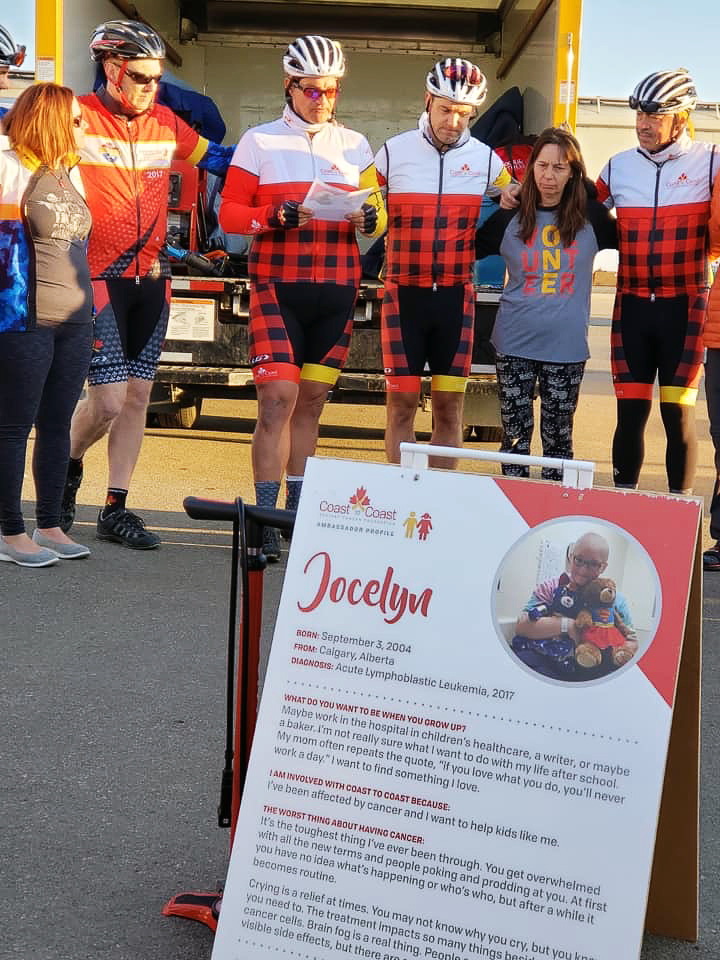
Omar getting ready to ride for Jocelyn to raise money for Childhood Cancer programs
Earlier in Jocelyn’s treatment I discovered a charity cycling event called Tour for Kids – Alberta with proceeds going to Camp Kindle.
As a cyclist, I was shocked that I’d never heard about this event and even more shocked that I registered despite adding 25 pounds of stress eating to my frame! But this was the least I could do to support Jocelyn and other kids battling cancer. I would train and finish this 300-kilometre ride, even if it killed me. If my baby girl could endure what she had, then I could do this ride. If my bike squealed in protest, so be it!
Omar and Jocelyn with cyclists participating in the 2018 Tour for Kids ride.
I know what it’s like. You’re constantly bombarded with ‘please donate’ or ‘please sponsor’ from all corners and causes, but you STILL choose to give.
Maybe in the back of our minds there is still a lingering fear: “it could happen to me or to someone I love” and god forbid cancer ever strike the heart of your world.
But I promise you this: if that should happen, Kids Cancer Care will be there for you and your family.
Jocelyn and Omar at the 2018 Dad & Daughter Gala.
Omar Pricca, Jocelyn’s dad
Jocelyn with the Calgary Flames.
Jocelyn returning home.
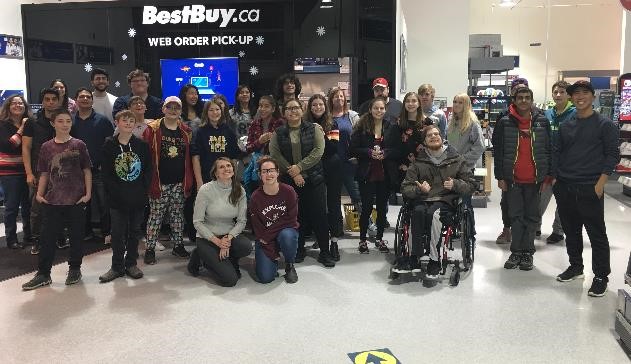
Jocelyn at the BestBuy Teen Night.
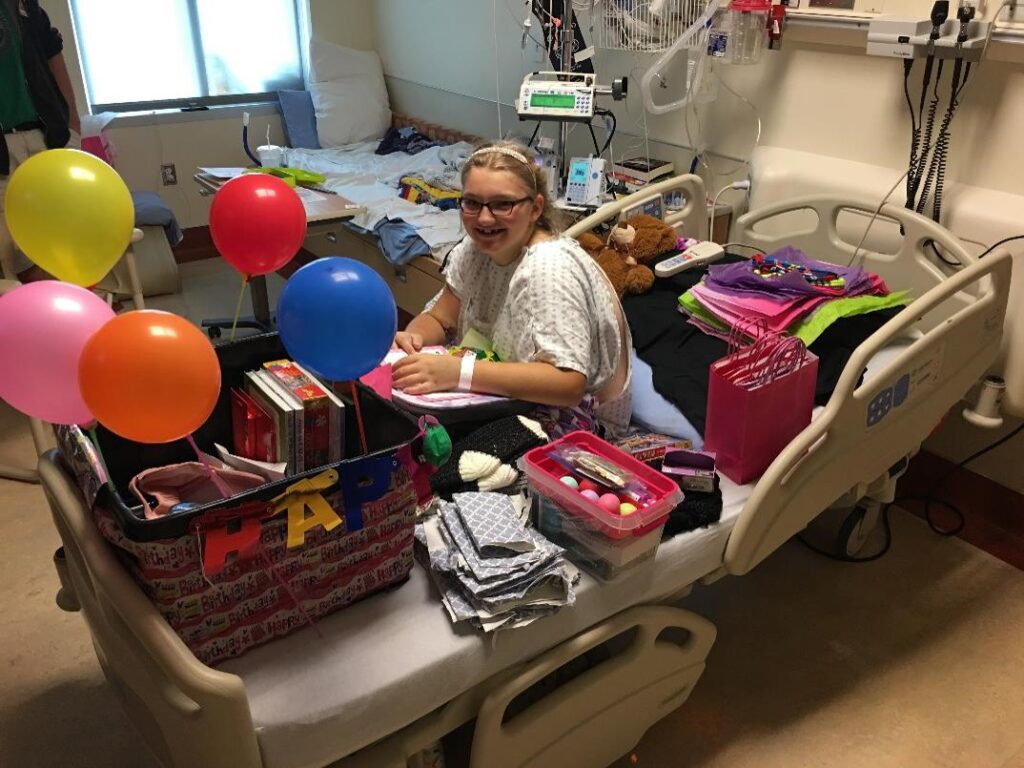
Jocelyn celebrating her 13th birthday at the hospital.
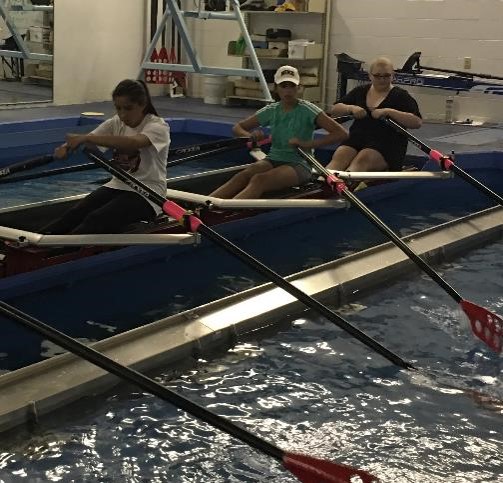
Jocelyn doing rowing exercises at the PEER exercise program.
Omar and cyclists gathering for a morning dedication circle.
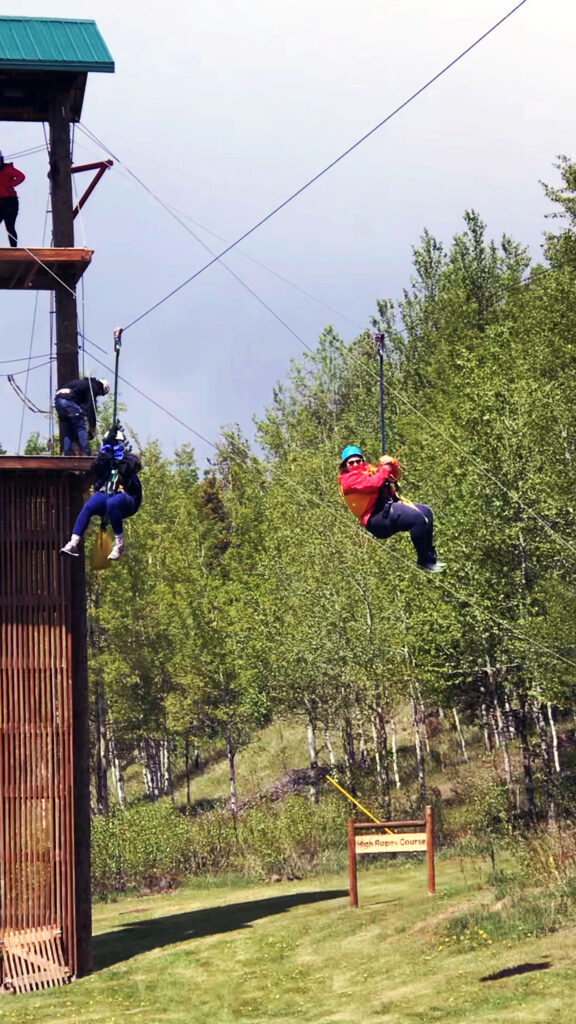
Jocelyn on the zipline. She absolutely LOVES it.
Thank you to our generous fundraising partners who make our programs and services possible