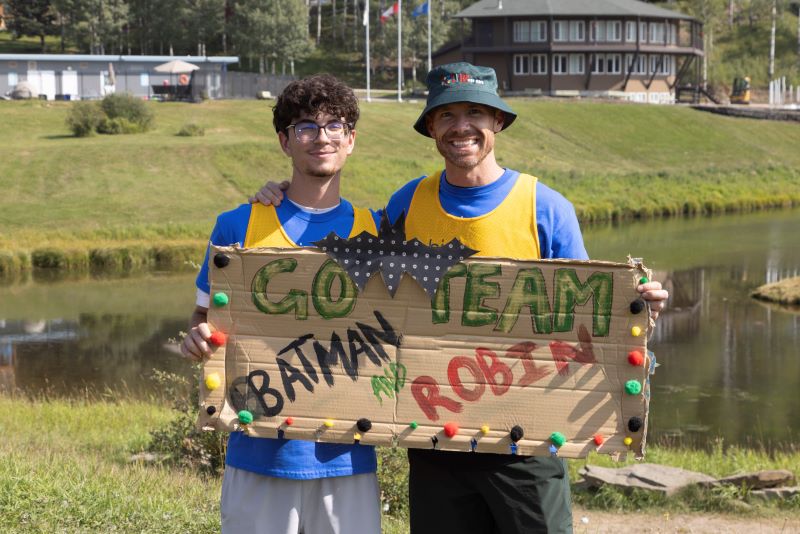
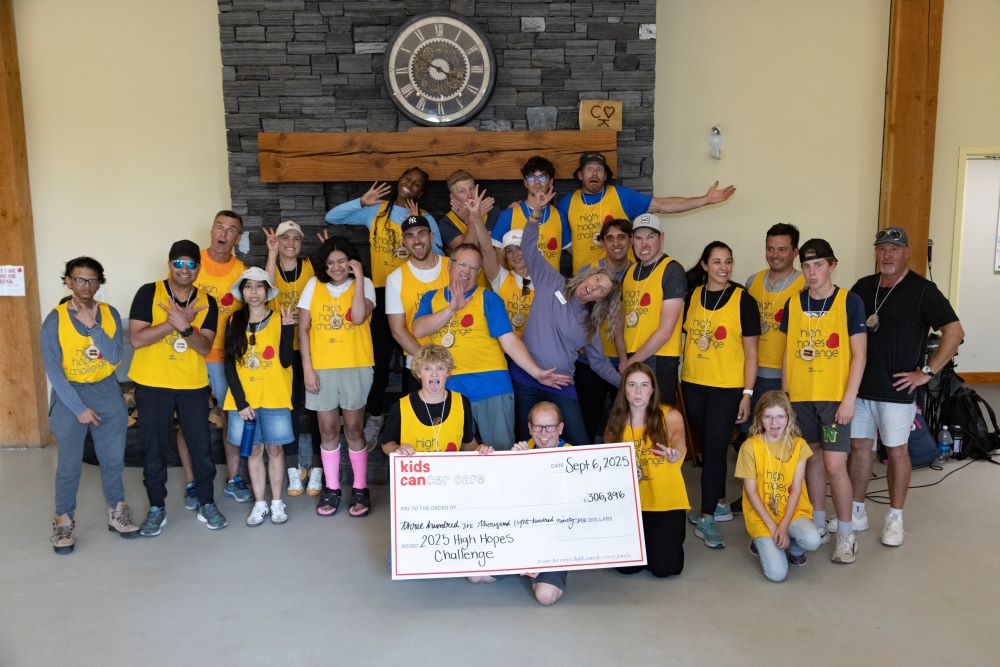
“Cancer taught me how quickly life can change. And Mexico taught me how little we actually need to be grateful. And Leadership taught me that surviving something hard isn’t the end of your story. It’s the beginning of your responsibility.” — Caleb
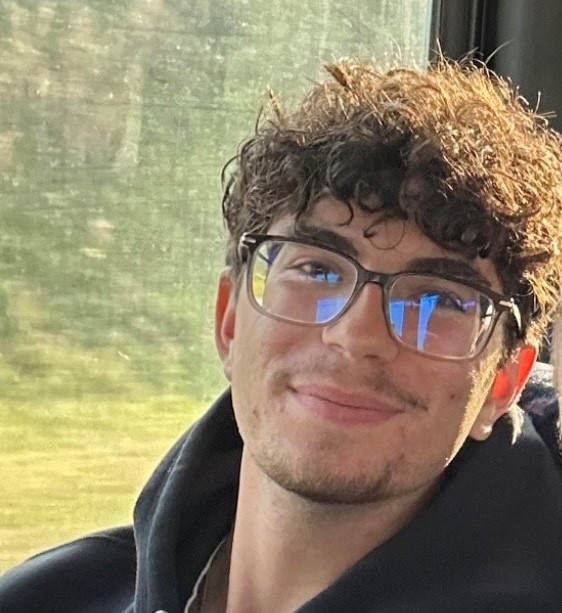
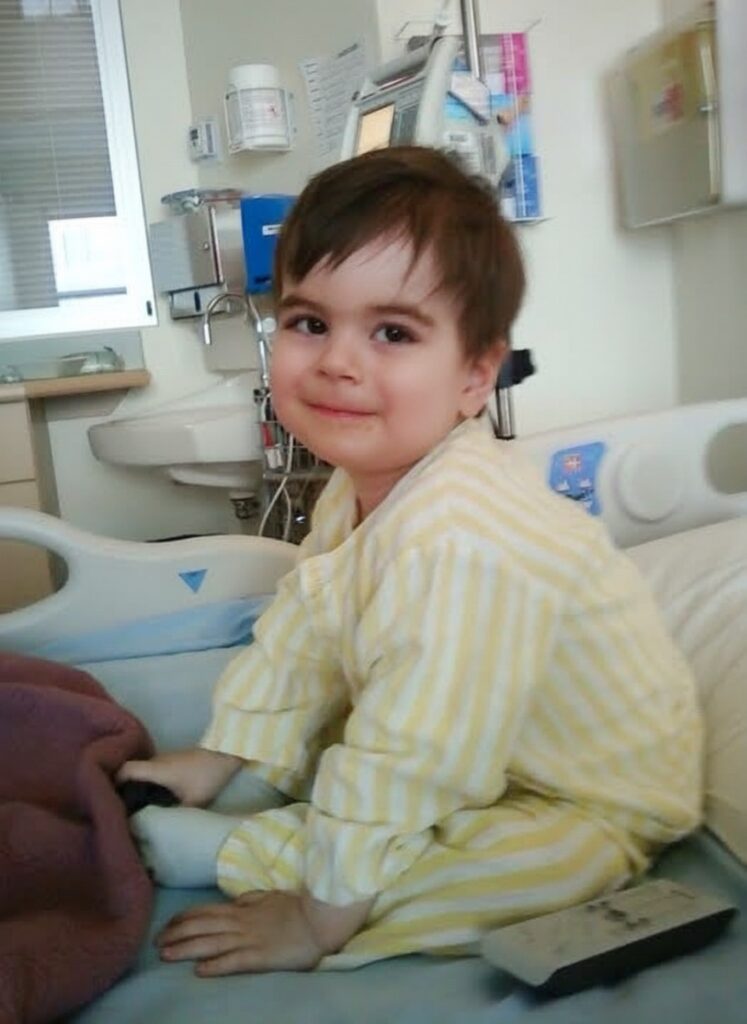
Before I was old enough to tie my shoes, I was known as the “sick kid.” I was two and a half years old, always tired, constantly crying. Too tired to walk up the stairs. While doctors dismissed my parents’ concerns as a typical toddler illness and fussiness, my parents saw the truth in my eyes: I was not well. Eventually, one doctor got frustrated and told my dad, “We know when kids are sick. He’s fine.”
But I wasn’t fine.
As you can imagine, I was much too young to remember most of it, so I bring this story through the eyes of my father. He and my mother remember all too well the weeks leading up to diagnosis and the treatment that followed.
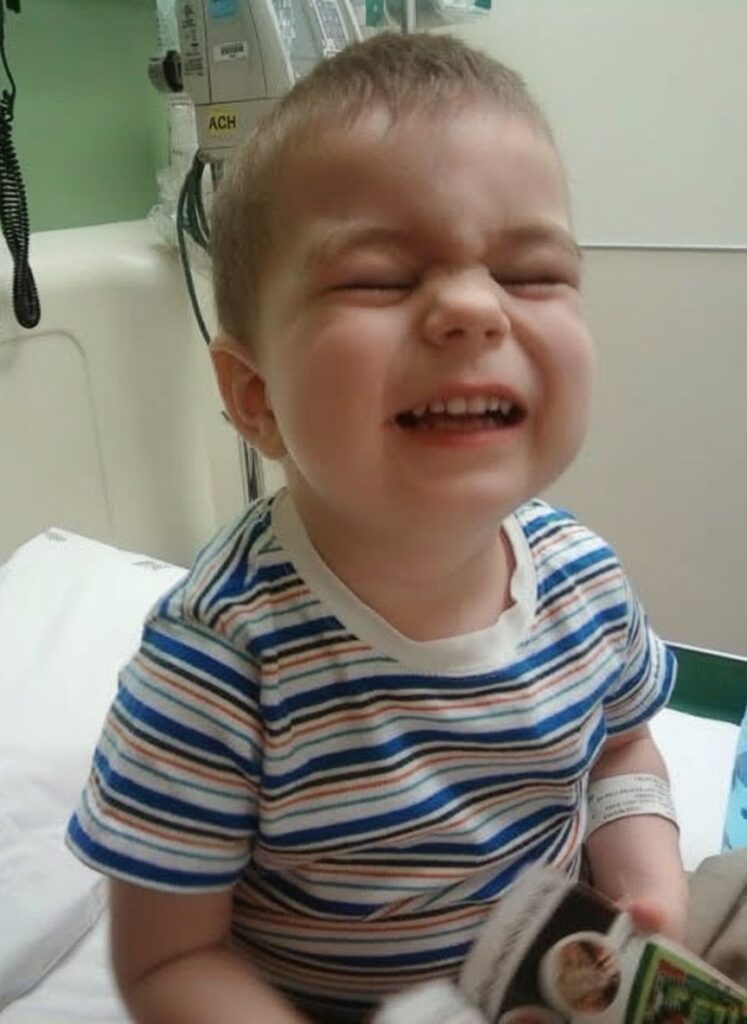
The turning point came one Sunday during a church function when a family friend, who is a nurse, said, “He doesn’t look too good. Why is he here?” She told us to “get to the Alberta Children’s Hospital tomorrow for bloodwork.”
On our way home from that appointment, we stopped to get cheeseburgers because I had endured my first needle. When Mom walked in the door, the phone was filled with messages from the hospital, telling her to turn around immediately and go back.
When Mom called Dad, he said, “Swing by my office and grab me on the way.” After dropping off my sisters Sophie and Lucia at our grandparents’ place, we drove back to the hospital. Stealing glances with each other, my parents secretly thought it must be cancer.
They didn’t have proof. They didn’t have a diagnosis. But they had that parental instinct. Something was seriously wrong.
As soon as we walked into the emergency room, a nurse grabbed me from my dad’s arms and ran. My heart rate was out of control, and the doctors were trying to keep me from going into cardiac arrest. It was only later that we found out how severe things were. If we’d been any later, I wouldn’t be here today.
That was day one.
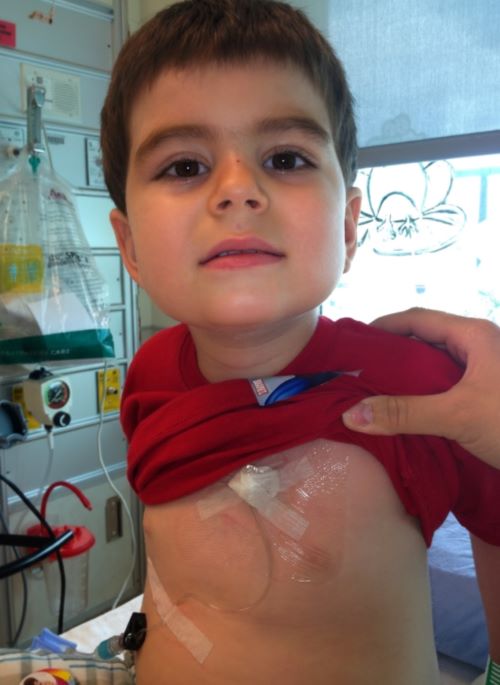
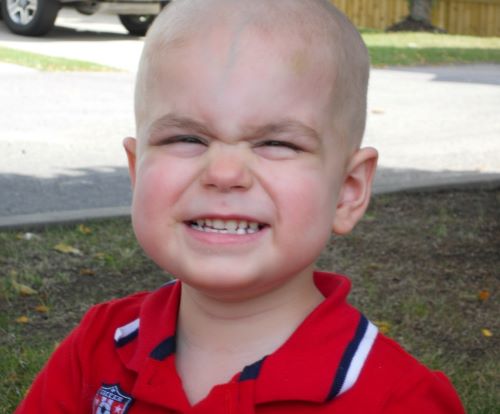
From there, everything moved fast. Blood transfusions. Tests. And then the words no parent wants to hear: “Acute lymphoblastic leukemia.” The treatment would require nearly four years of chemotherapy.
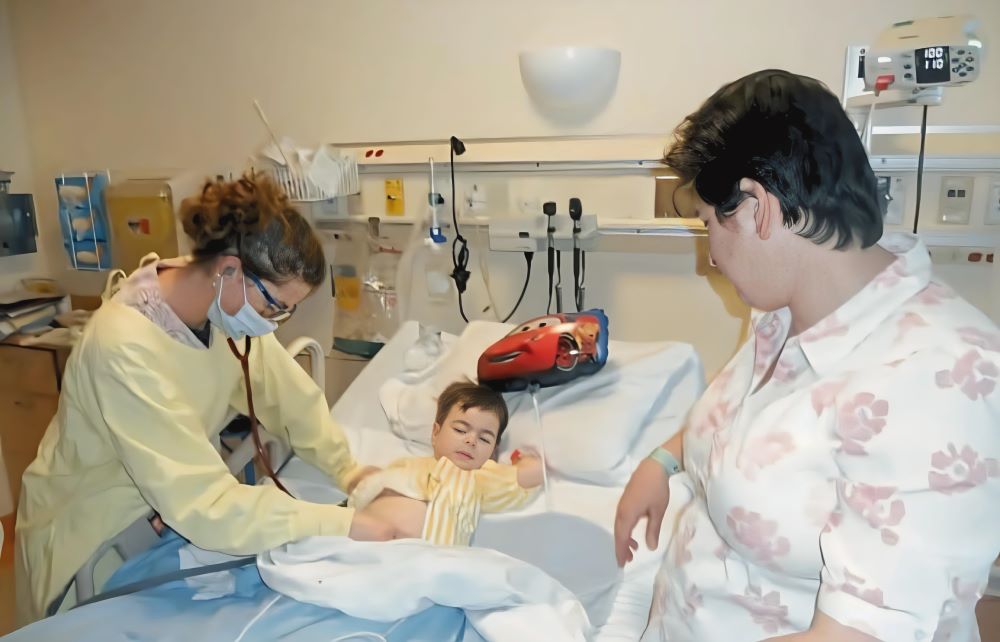
My father remembers the long silence of those days—and the moments that broke it. He recalls sitting in a dark hospital room, holding me on his lap. He noticed I was covered in some sort of moistness. He just assumed I was sweating because I was so sick.
When a pediatrician came into the room and turned on the lights, they realized I wasn’t sweating. I was bleeding. Blood was seeping from the bone marrow biopsy sites where they had taken blood to test for cancer. Doctors rushed in. Nurses pressed down hard on the wounds to stop the bleeding. I was screaming and fighting because I didn’t understand what was happening.
Then suddenly, a nurse came in, singing a nursery song. I stopped. I locked eyes with her. And in that small moment of calm, they were able to help me.
Moments like that saved my life more than once.
One night my parents were able to bring me home for the weekend. This night was special because I would be sleeping in our new house for the first time. There were mattresses on the floor and boxes everywhere. The smell of a fresh start was in the air.
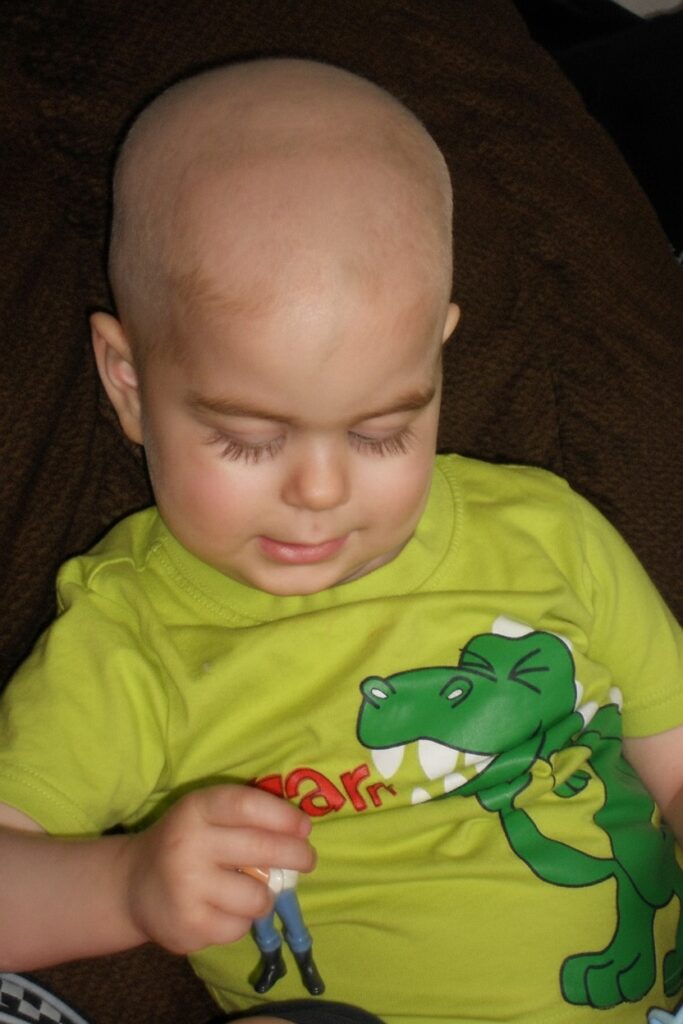
But as the evening wore on, I became lethargic, quieter, and less excited, but I didn’t have a fever, and they told us not to come back without a fever. So my parents lied. They said I had a fever. When we got back to the hospital, I crashed. The doctors told my father to call my mother to tell her I would not make it. My parents thought they had lost me.
Three excruciating hours later, I woke up hungry. That became a pattern too. Collapsed lungs. Pneumonia. Infections. Scares. A pinched bowel from an inflamed appendix. Doctors arguing about whether surgery would kill me or save me. My lungs full of fluid. My body weak—but somehow still fighting.
Through this, I developed a high tolerance for pain. There were a lot of pretty nurses, so I had to perform a little bit. Except for needles. No beauty could stop my fear of needles.
And then one day, a nurse looked at me and said, “You’re a big guy. You’re not going to cry in front of me, are you?” I decided she was right. I stopped crying when I had needles. I still hated them. But I stopped crying.
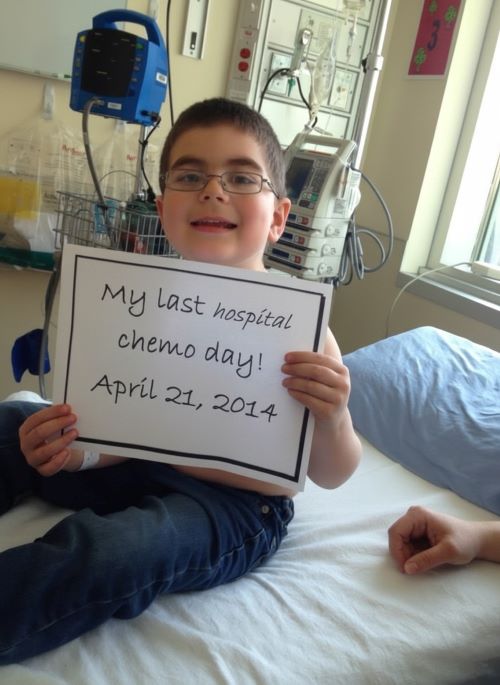
Somewhere in all that chaos, I started becoming strong. Not just physically. But mentally. Eventually, I finished treatment.
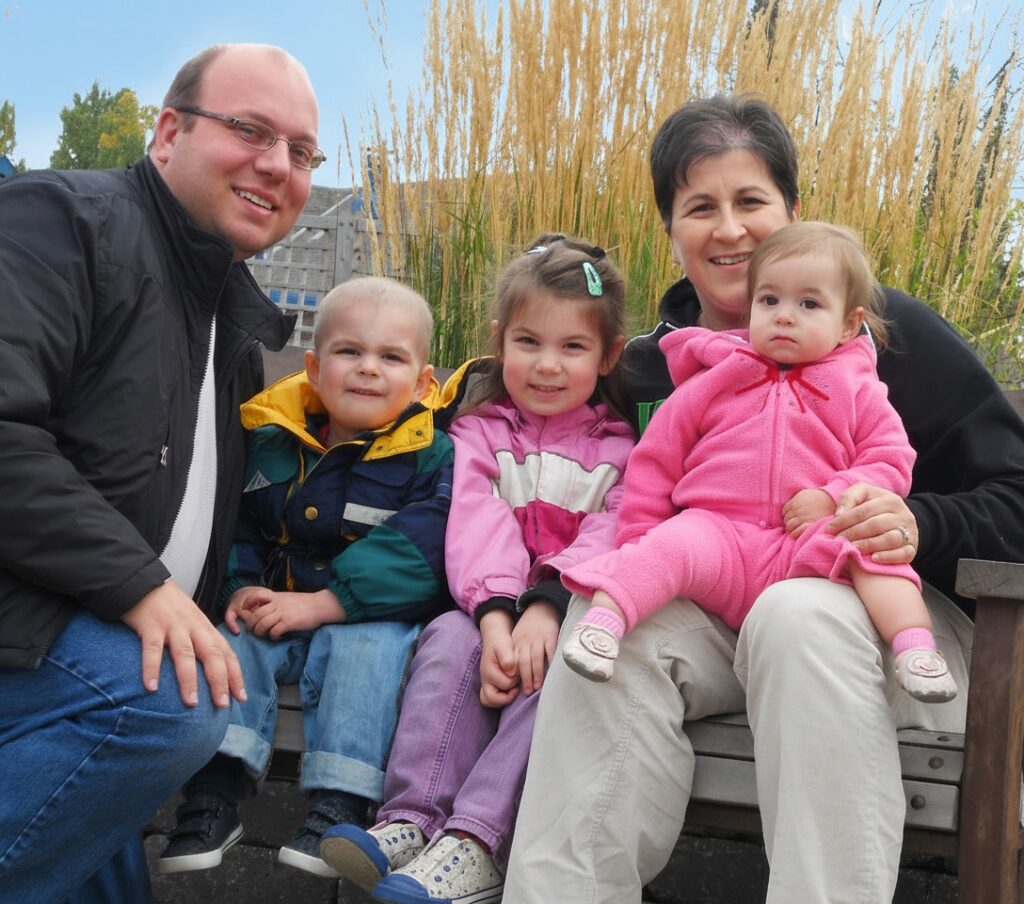
But surviving cancer doesn’t mean everything just goes back to normal. Fear lingers. Anxiety lingers. The question “What if it comes back?” lingers.
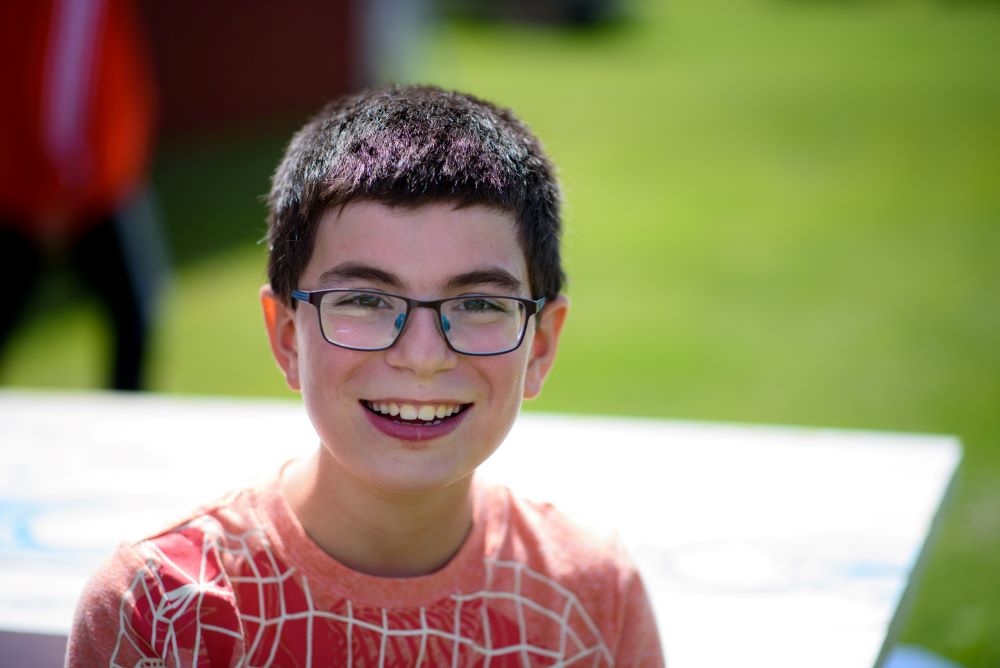
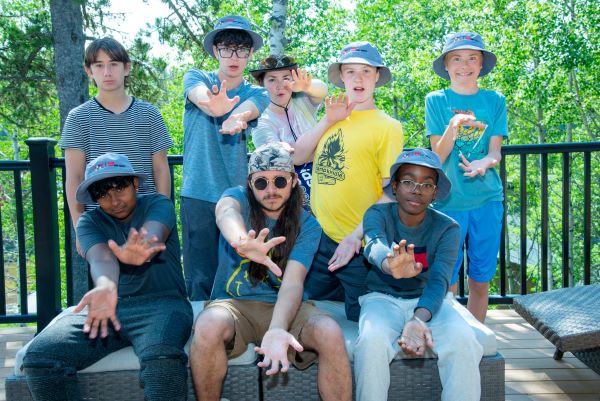
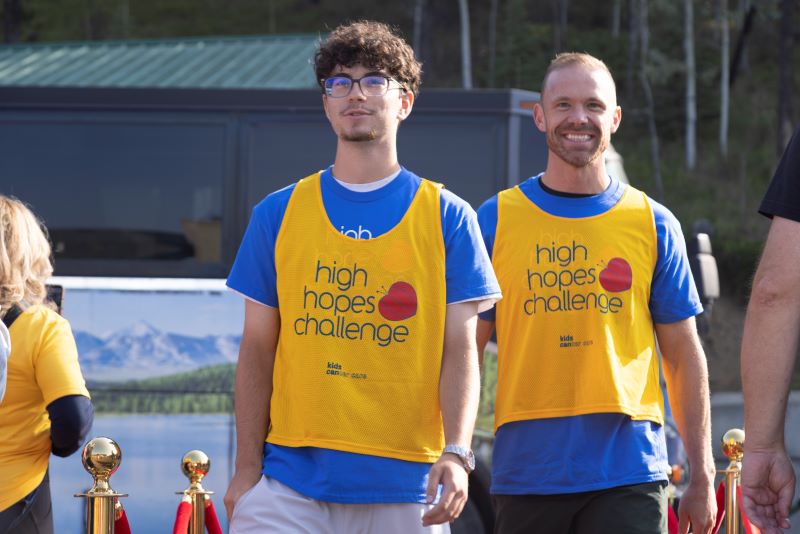
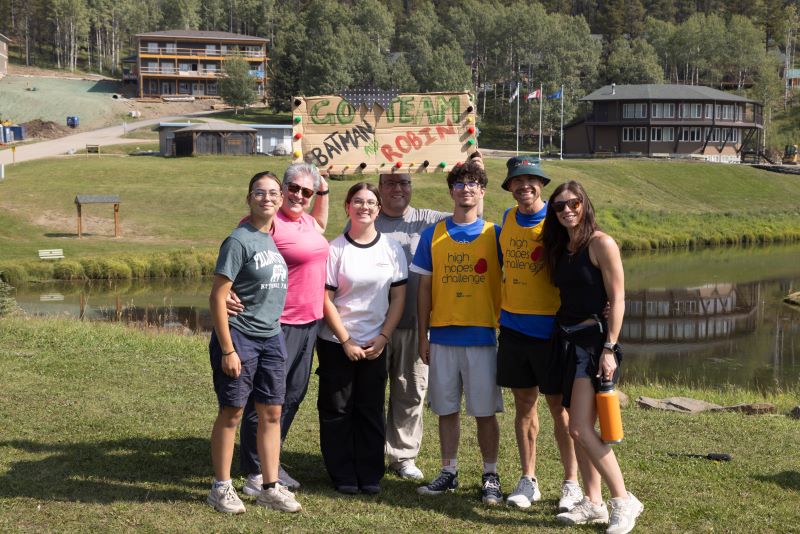
Around this time, we were introduced to Kids Cancer Care. At first, I didn’t want to go Camp Kindle. I was scared. I held my older sister Sophie’s hand the whole way there. Probably the first and only time I’ve ever held her hand.
Within five minutes of arriving, I disappeared, already mingling with all the new people. For the first time in my life, I was surrounded by kids who understood without explanation. They had scars, too. They had chemo ports, too. And they had stories too.
When that first week of camp was over, and my parents came to pick me up, I cried. Not because I was scared, but because I didn’t want to leave.
Camp Kindle is now a summer tradition for my sisters and me. I go back every year, because it reminds me that I’m not alone, and it’s introduced me to plenty of wonderful people and friends.
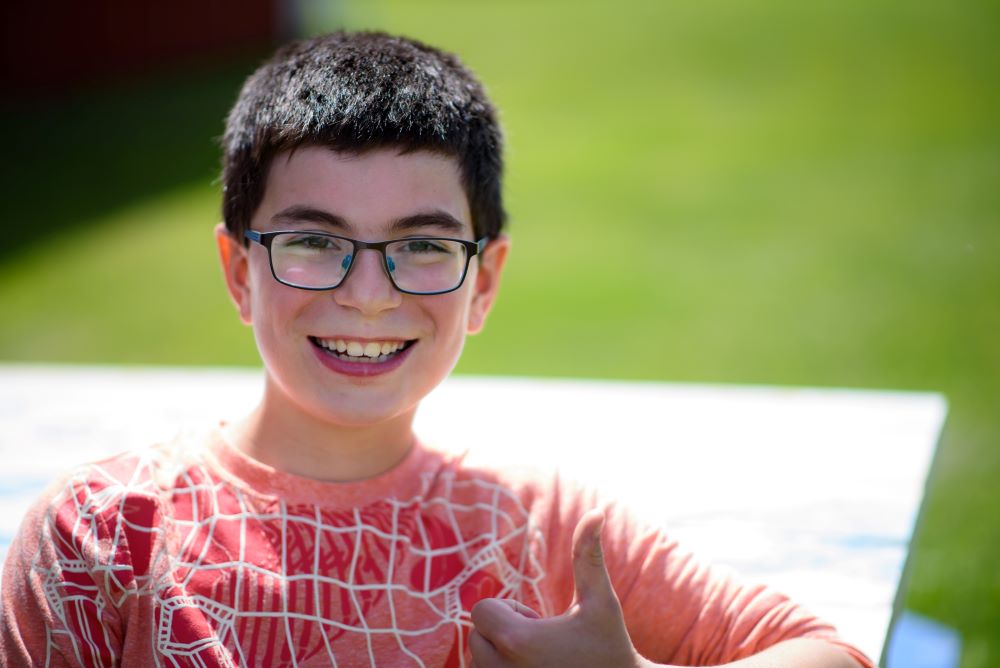
After my treatments started to finish, my family received a Wish Trip to France. For the first time in years, we weren’t waiting for lab results. We weren’t sleeping in hospital chairs. We weren’t bracing for bad news. We were just a family. Healing. Laughing. Living. That trip didn’t just give us memories. It gave us space to breathe.
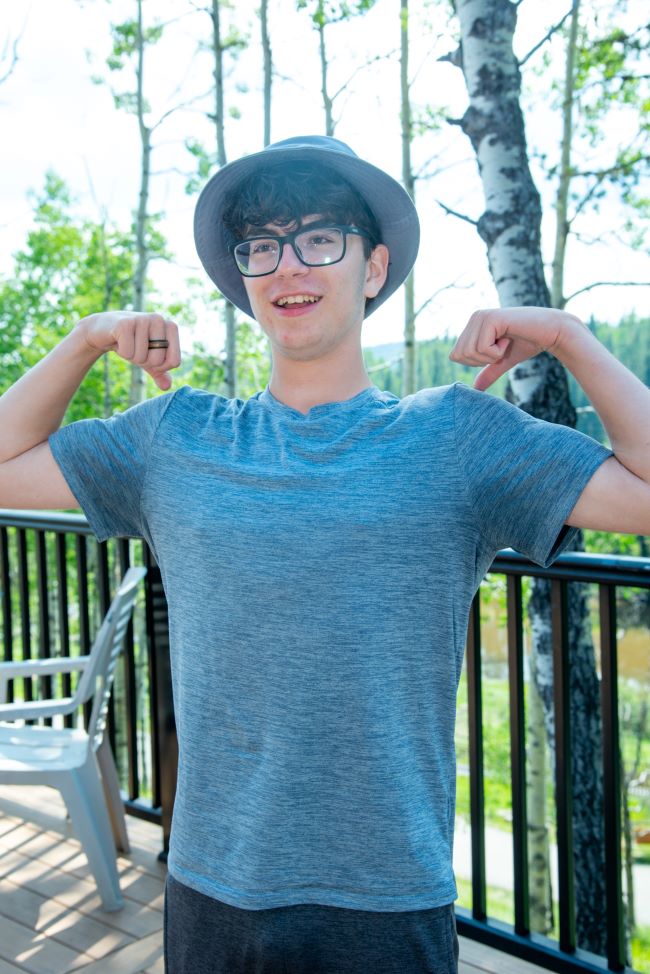
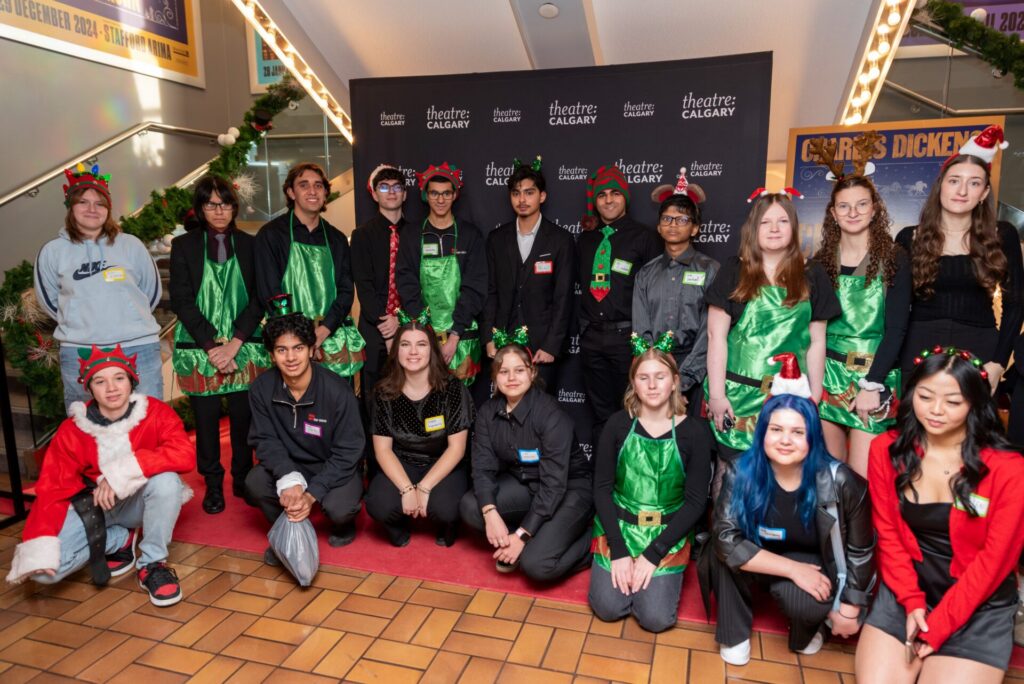
As I got older, I joined the Teen Leadership Program (TLP) through Kids Cancer Care. TLP is a leadership program that helps teens affected by cancer develop leadership and transferrable life skills. At first, I didn’t want to go. Growth is uncomfortable. But TLP pushed me to step out of my comfort zone. It taught me how to speak up. How to lead. How to serve.
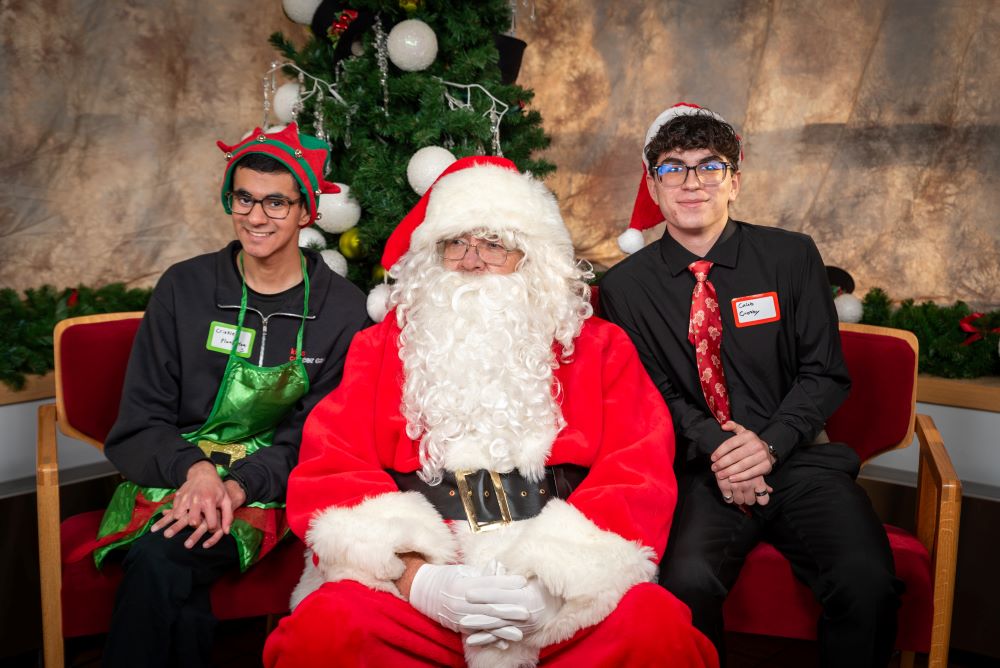
Last year, I went on a volunteer service trip to Mexico with TLP. I almost didn’t go. I came up with every excuse I could. But I went. And what I saw changed me.
I saw families living on almost nothing—beans and rice most days. Meat only once a week. Houses made of whatever materials were available. But they were happy. Not pretending. Not bitter. Genuinely joyful.
That experience gave me perspective. Cancer taught me how quickly life can change. And Mexico taught me how little we actually need to be grateful. And Leadership taught me that surviving something hard isn’t the end of your story. It’s the beginning of your responsibility.
I used to think my story was about cancer. Now, I know it’s about resilience. It’s about the nurse who sang. It’s about parents who refused to ignore their instincts. It’s about doctors who fight for us. It’s about a camp that builds confidence. It’s about service that builds perspective. It’s about choosing courage—even when you’re scared.
I don’t remember most of my treatment. But I live every day because of it. And now, at 17, I get to choose what I do with that gift. A gift that cannot go to waste. Whether I choose to use it to lead or to serve, I choose to live with gratitude, because I’m not just a survivor.
~ Caleb
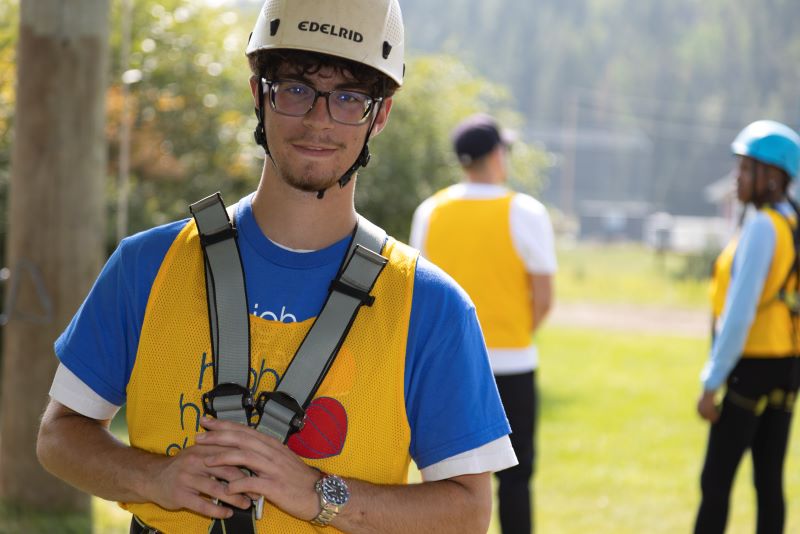
Photo gallery