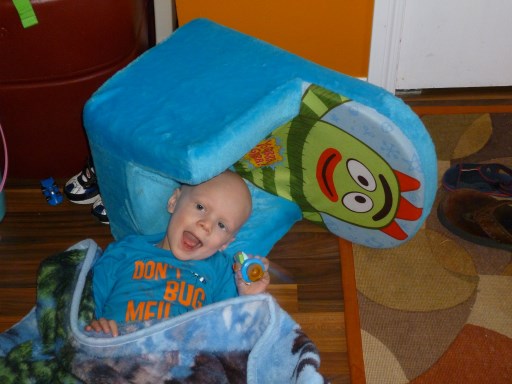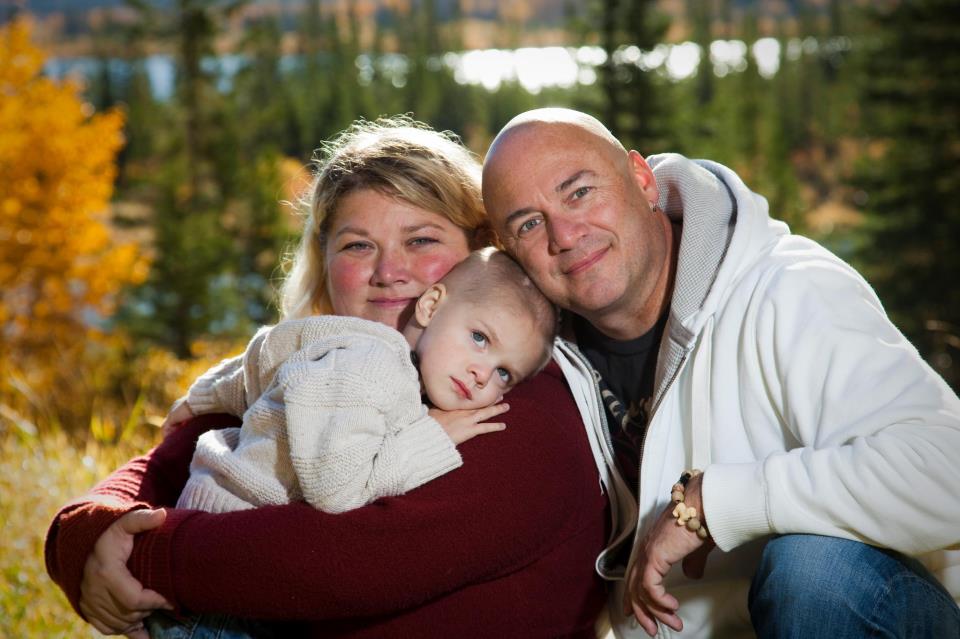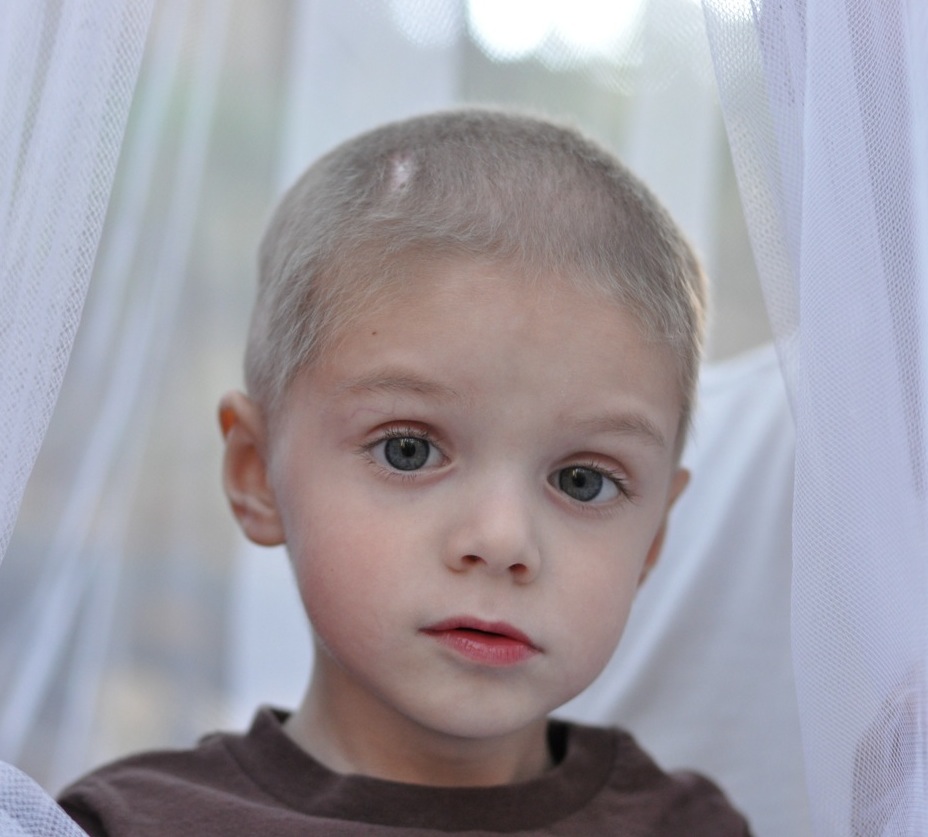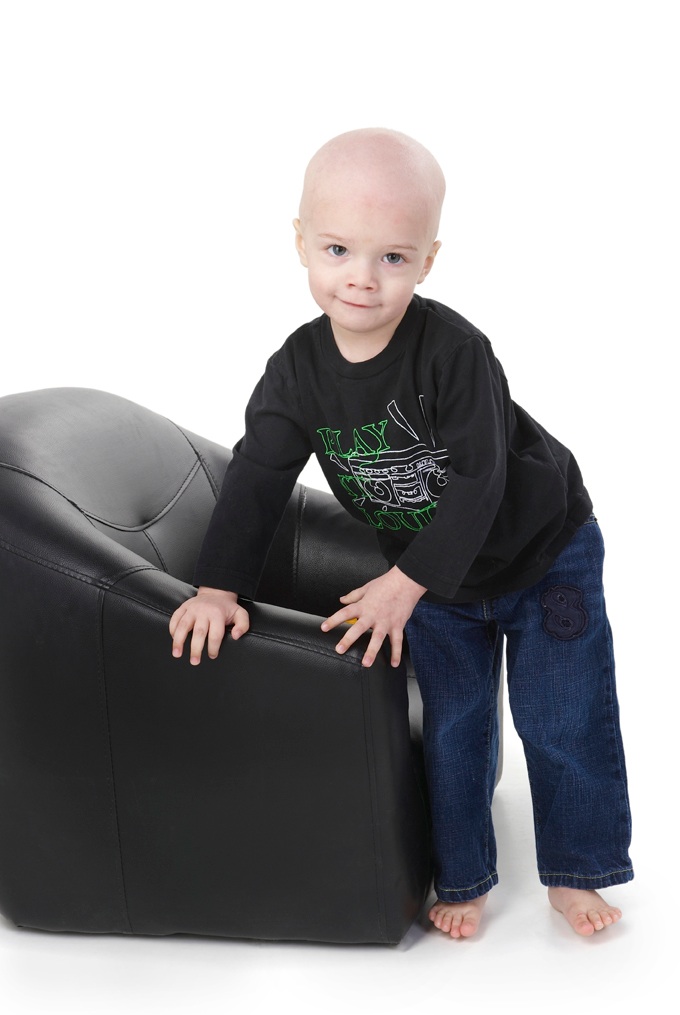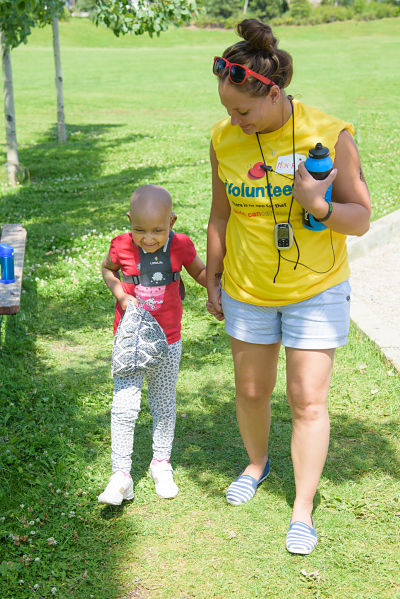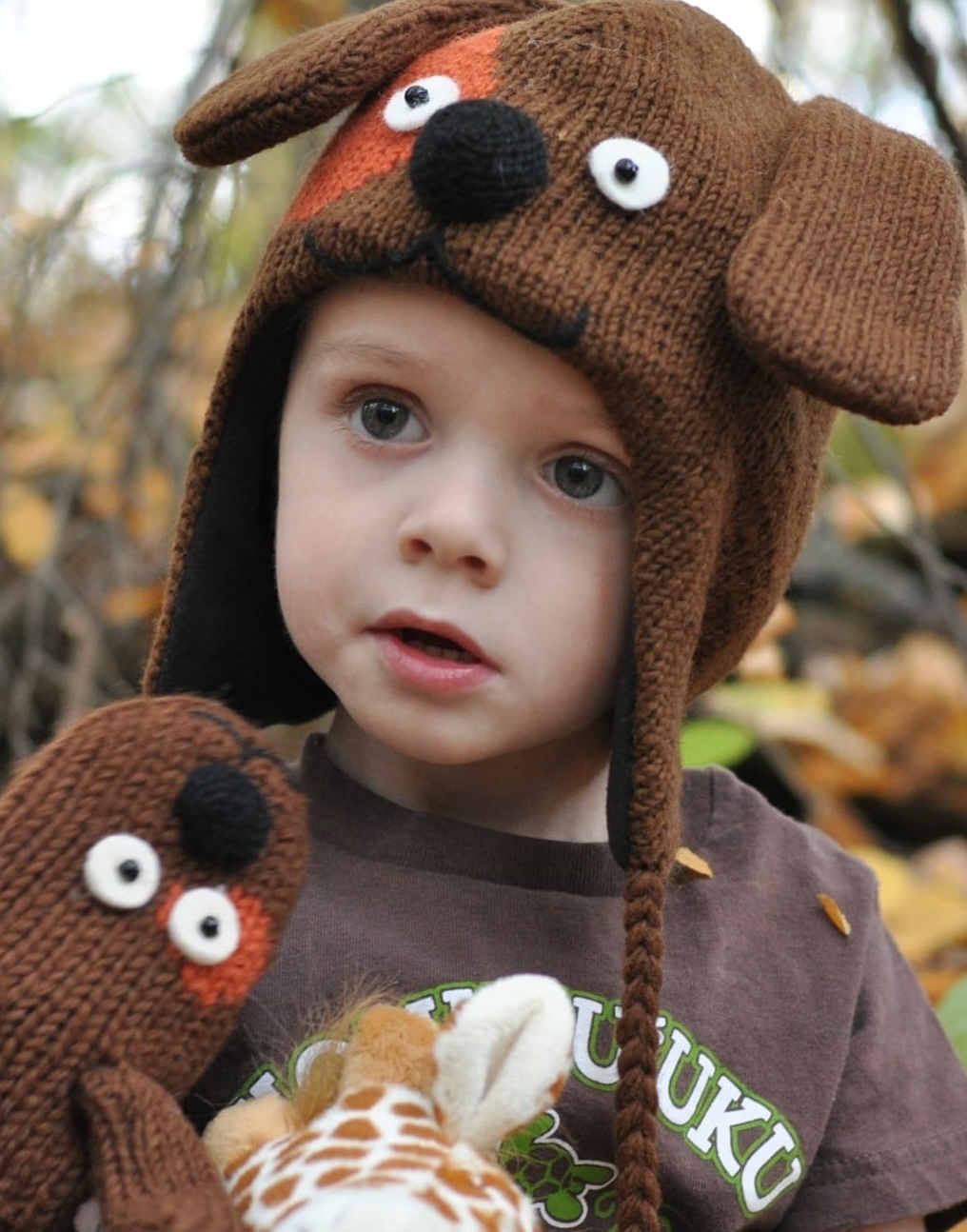
I’ve had events in my life that I thought were crashes but they turned out to be speed bumps, very small speed bumps. I can say without a doubt, that December 18, 2009 was when my wife Tara and I’s world actually crashed. This was the day that our son was diagnosed with a brain tumour.
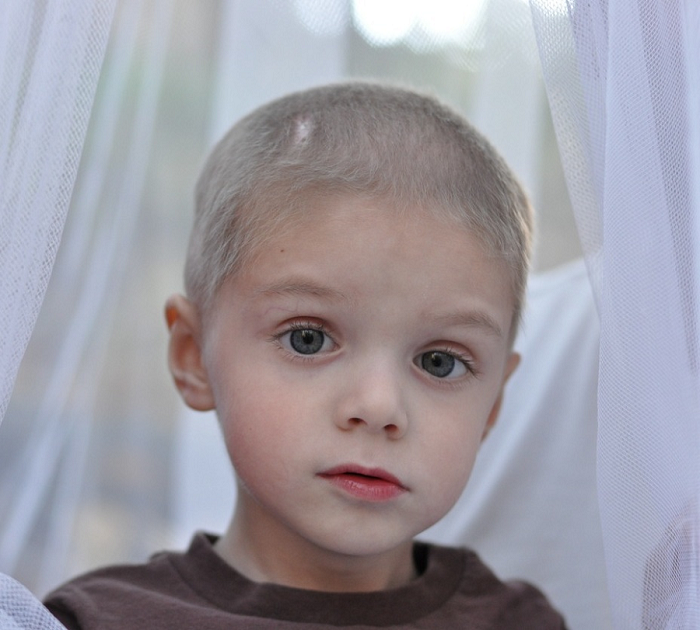
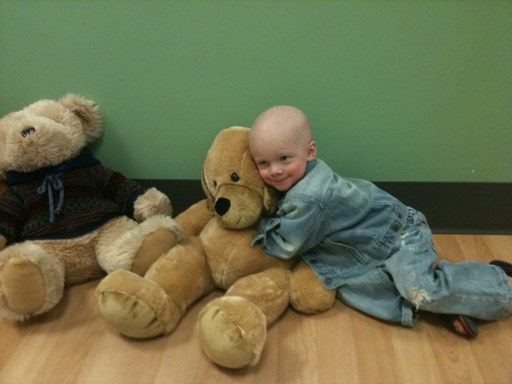
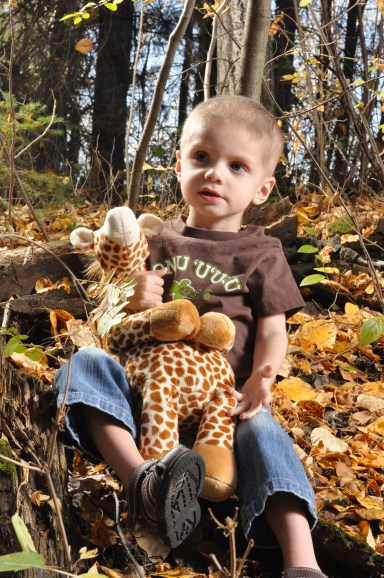
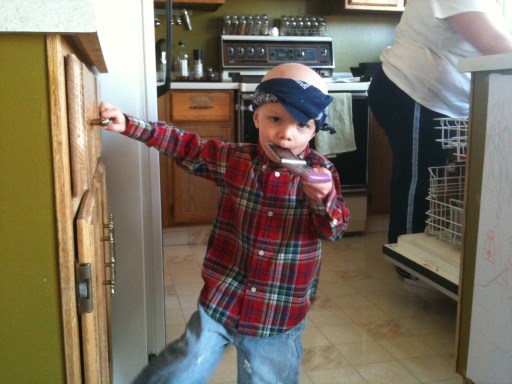
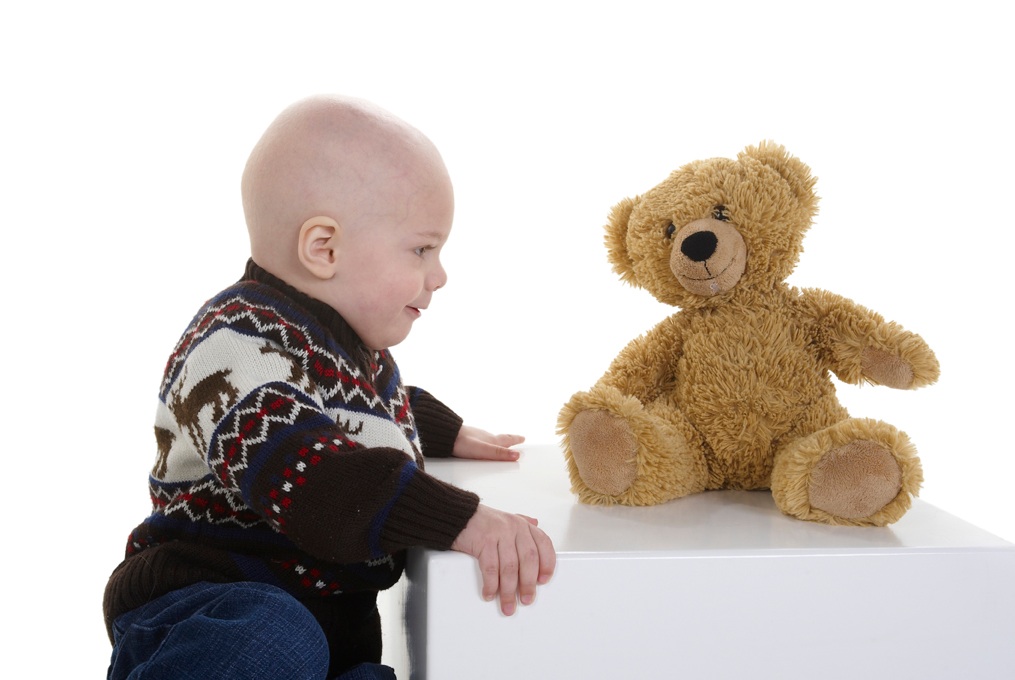
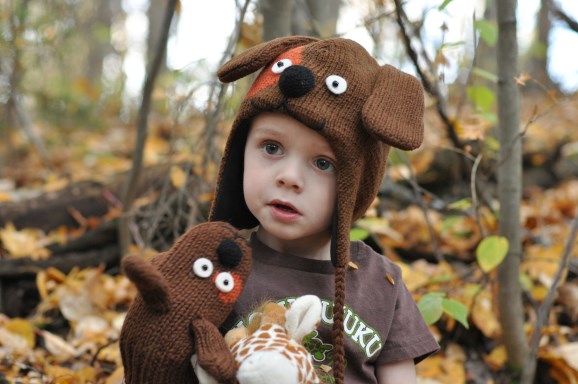
Alexander was born on the 13th of November in 2007. He was perfect and things stayed that way until his second birthday. He had come down with the H1N1 flu. Up to this point Alexander was very active, running and climbing like a little monkey. But now, with the effects of the flu, he started walking like a drunken man. Also, he had tremors in his hands. We knew something was off. Over the next month we saw doctors, physiotherapists, specialists, etc. By the end of the month, things were getting more concerning. Along with the drunken walk and hand tremors, he also had a slight head tilt, back muscles more developed on his left side and he had started choking on his saliva. Soon we found ourselves at the Alberta Children’s Hospital. After many hours, neurology was convinced that we were still seeing the effects of the flu and sent us home after putting us on a three- to four-month wait list for a MRI.
On the 18th of December, we were back. Alexander was throwing up and complaining of a nonstop headache. They sent him for a CT scan. This brings us back to the point our world crashed.
Suddenly, we moved from a four-month wait for a MRI to one hour. A lemon-sized tumour was removed three days later. When they brought him back to the Pediatric Intensive Care Unit after surgery, he had a six-inch incision in the back of his head. I found myself thinking, “He’s so small; how can this be happening to a little boy?”
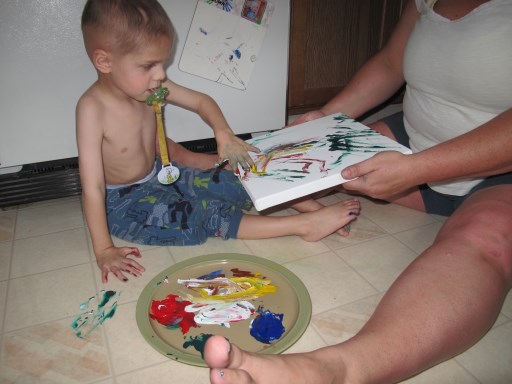
After the surgery, Alexander had to have a lot of physiotherapy to learn how walk again and use his hands again. One of the side effects was mutism, so he also had to learn to talk again.
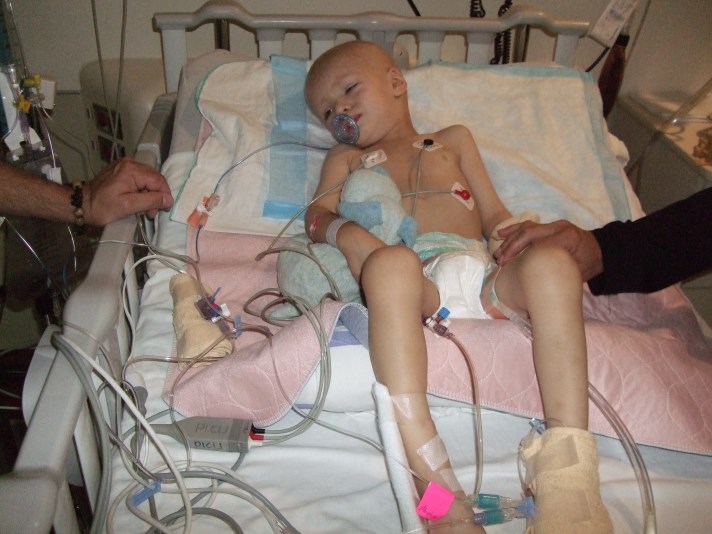
At this point, we were told he had medulloblastoma. If you’re going have a tumour, this is the one you want. A 95 per cent survival rate sounded really good to us on paper – but we still had an uneasy feeling that it was not going to turn out okay. Trust me; we never wanted to be more wrong in our whole life.
Alexander was so brave through all of it. Over the 10 months that he was sick, Alexander had two brain surgery’s, a dual Broviac installed, a central line in his chest, a central line in his leg, two external ventricular drains in his head, a third ventricle installed, stem cells removed, countless blood draws, CT scans, MRIs and countless other procedures. Through all this, he rarely complained. Even in the end, when the pathologist explained what the tumour had done to his brain (which was pretty horrid), all Alexander had ever done was point to the back of his head and say, “Owie,” and continue playing. Looking back, I realise how easy it was to be strong… because he was strong.
Alexander’s protocol consisted of six rounds of chemo with the last three rounds being stem cell rescue. After the third round he got a MRI. The results showed that he had a spot on his brain, which we were told may or may not be a tumour. He also had five tumours in the nerve bundle of his spine, which were inoperable.
Over the next five weeks, we completed the first round of stem cell rescue and added five rounds of intrathecal chemo, which is chemo injected into his spine. At this point, they did another MRI to see if the chemo was working. Not so much. The spot on his brain was definitely a tumour and he now had eight tumours on his spine. We stopped the chemo completely.
The uneasy feeling was getting really strong now. The chemo didn’t even slow the tumours down.
Radiation was something that scared the hell out of us. Depending on the dose of radiation, children under three can be severely brain damaged. Unfortunately, Alexander’s tumours were showing themselves to be extremely resistant to treatment. This meant our only option was to give him a serious dose of radiation. He received 31 doses in total and almost the same for his spine.
Thirty-one doses of radiation and he never complained. Large blisters on his head and still no complaints. Burns so bad his head peeled and, you guessed it, no complaints. To this day, we marvel at his strength.
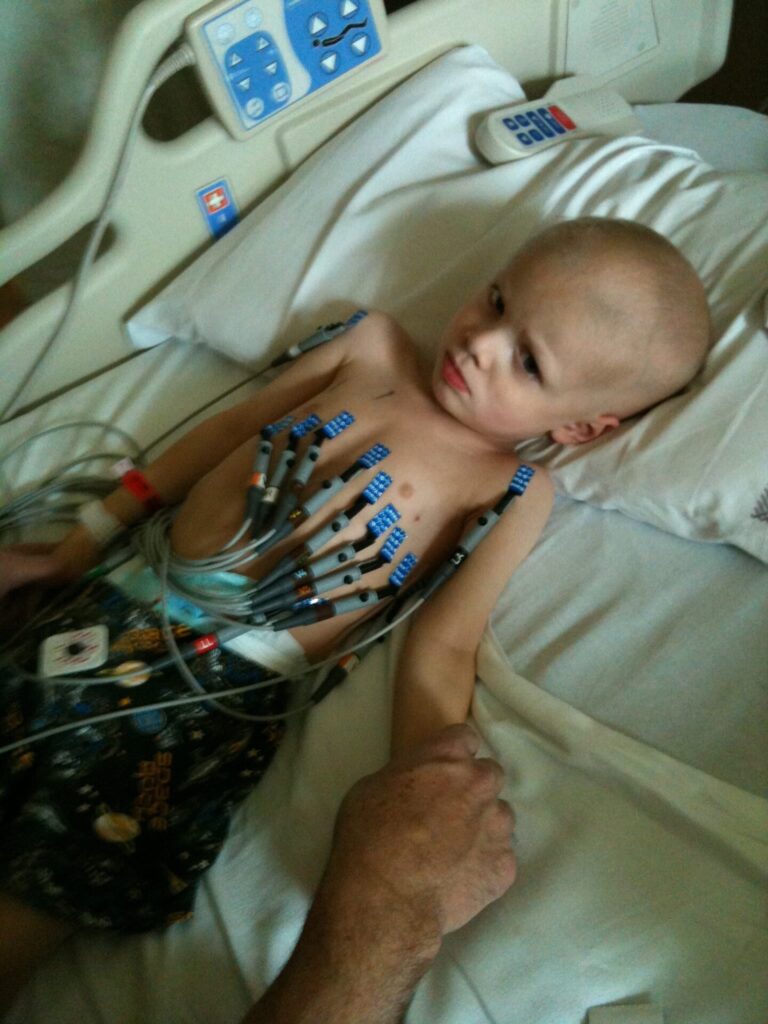
We waited five weeks for the next MRI. The radiation had done absolutely nothing. He still had the spinal tumours and the brain tumours had grown fast while on radiation, which is very rare. We were told they could do one more brain surgery, but there was no way to get it all.
When they went in for this surgery, they realized the tumour was not what it had appeared to be. His tumour was actually ETANTR, embryonal tumour with abundant neuropil and true rosettes. This is a tumour that can mask itself and then change its cell structure to reveal its true self. No one has ever lived with this tumour past 10 months from diagnosis. Alexander was only the 36th case recorded.
They gave us a couple of options to possibly extend his life a little bit, but it would mean more hospital visits and that’s not how we wanted to live our last days, so we decided against those options.
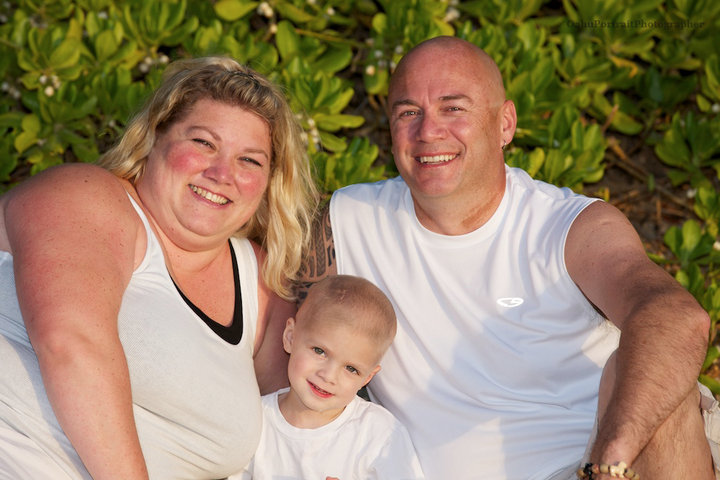
Despite a bout of meningitis, we went on our last family trip that September to Hawaii. He had a private swim with two dolphins for 30 minutes and we also bought and released 31 butterflies; one for each round of radiation. The rest of the time was spent swimming and sitting in the hot tub. Every time we asked him what he wanted to do, the answer was “Hot Tub.”
It was sad to leave Hawaii because it meant we were going home to spend his last days. We had made a bucket list before we left for Hawaii and we were going to try our best to complete all of it.
The first thing we did when we got home was go to Akisha’s birthday party. Akisha was his girlfreind and her party was at a jungle gym. What could be better?
After the party, we hooked up the travel trailer and went to Kids Cancer Care’s Camp Kindle for a weekend. We brought along one of his best friends and camp aide, Samantha. While we were still at camp, I put Alexander on my lap and let him drive the truck pulling the trailer. Driving the truck, another thing off the bucket list.
Next, we went home and packed for Banff National Park. While in Banff, he got to go on a helicopter ride over the mountains, swim in the hot springs and take a gondola ride up the mountain.
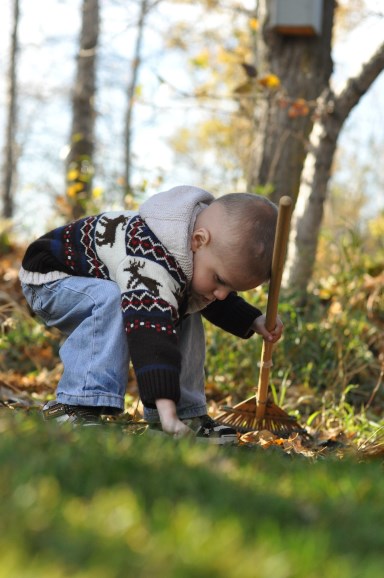
From Banff, we drove straight to Stony Plain Alberta to visit his grandparents. A couple days later, we went to West Edmonton Mall and the indoor water park. While we were there, he got to go behind the scenes at the aquarium and feed the sea turtles, etc. We also took him to a pet store to play with puppies a couple days in a row. By now, he was getting very tired and sleeping most of the time, so we knew we were close. He went to bed that night and got up the next day unable to walk. I guess it’s time to go home.
We checked into the Rotary Flames House on the 11th of October. We spent the next 13 days playing, watching movies, reading books and anything else Alexander wanted to do. By this point, his right eye had failed him and his hand tremors were really bad. His spirit did not falter at all.
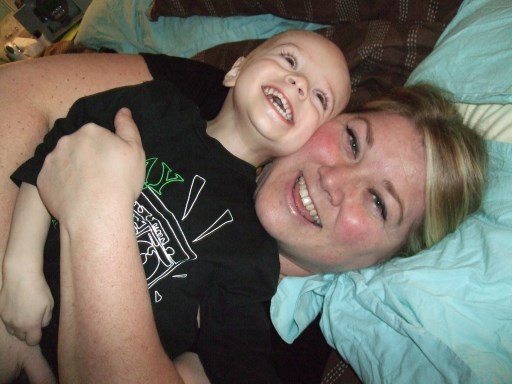
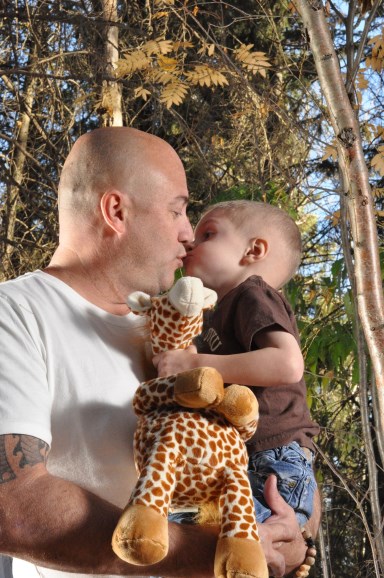
One evening, Alexander had just finished eating supper and looked at me, raised his hands to me and said, “Upstairs.” We went upstairs to bed and I cuddled with him for about ten minutes. Tara came in to say good night, we all cuddled up, and he went to sleep about five minutes later. At the time, we didn’t know it was the last time we would put our son to bed.
About two hours after falling asleep, he had a seizure and went into a coma that he never came out of. Over the next few hours he went down to about two breaths a minute and we thought we would lose him that night. We held him sitting up between us in a big family hug for about an hour, but he stayed with us. At that point we laid him down and his breathing evened out and became more regular. By seven the next morning his condition hadn’t changed, so we decided to treat it like any other day. I started by reading him all the children’s books we had with us and then we all watched Toopy and Binoo for a couple of hours. The hospice we were at has a large common area with a large fish tank, projector TV and a large bean bag mattress that he loved to lay on. We believe that even though he was in a coma, he still knew what was going on around him so we took him to the bean bag bed and spent the day there. During the day, we played music, read him books, gave him a nice bath and rinsed out his mouth every 30 minutes to keep him comfortable.
We spent 29 hours making him comfortable, but now looking back we realize he spent 29 hours making us comfortable enough to let him go. We knew for many months that his time was close and we thought we were prepared for it, but he knew better. He knew we needed time to read to him and stroke his hair, time for hugs and quiet “I love yous” and time for us to tell each other we would be okay.
We took him back to bed about 8:00 that night. We had just spent one of the hardest, but most beautiful, days ever. We would be lying if we said we hadn’t cried our hearts out that day or laid on the bed writhing in anguish, trying to imagine life without our “Mister Man.”
His breathing had become more shallow and ragged over the last few hours until it finally stopped. We lay with him and told him he had been brave long enough and he could go now. We had been warned about the “big gasp” that was going to come, but it still scared the hell out of us. It happened over and over. He’d stop breathing for a minute, and then gasp. We realize that he was not in pain when it seemed he was fighting for breath, but that it was just a change in breathing patterns towards the end. This does not make us feel any better though, the most horrid thing a parent can go through is to watch your child gasp for breath as he dies.
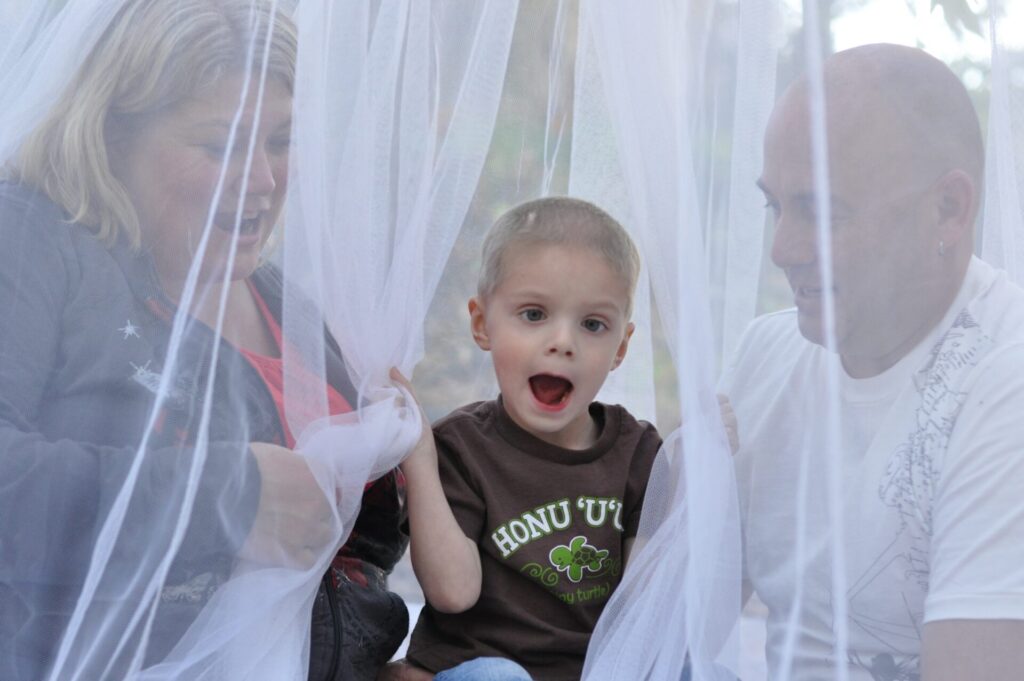
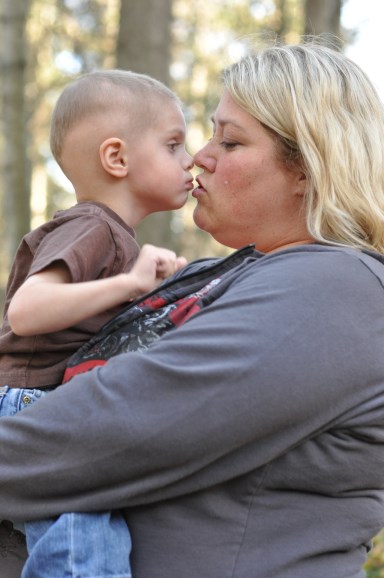
Every time this happened, we talked to him and tried to tell him it was okay to let go; he would come back. At some point we realized he was waiting for something. Finally we realized he didn’t want us to see him go, so we kissed him good night and went to sleep.
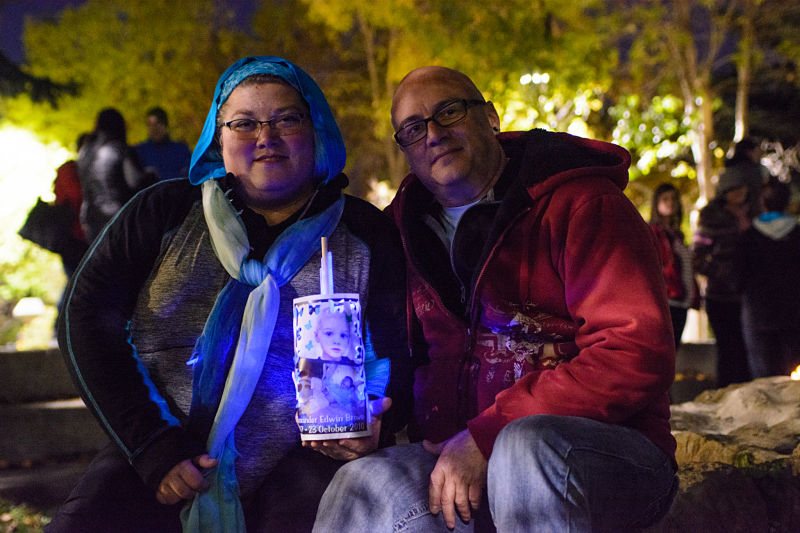
He had waited for us to go to sleep before quietly passing. At 1:09 a.m. on the 23rd of October, 2010, he was gone. That was the moment our lives ended. Life will continue on a different path, but life as we had known it, was over.
After a good bit of crying, we washed his face, changed his diaper and dressed him in his favourite pyjamas. We donated his tumour for research, which meant it had to be removed within two hours of him passing. We carried him in our arms to the hospital for the tumour removal.
We decided to have a celebration of life in keeping with the happy life he led. There were balloons, temporary tattoos, bubbles, glow bracelets and a clown. We released over 200 balloons while a dear friend played the bagpipes. It was a beautiful day to celebrate a beautiful life and 130 people came to celebrate with us.
We spread his ashes on his third birthday in the ocean. A baby turtle came to the surface before we scattered his ashes. At the end his hair had grown back and his tumour had been removed, so when his ashes were scattered he was a normal boy, tumour free.”
-Jonathan Brown, Alexander’s father
Our researchers are in the lab right now working to find better treatments for children with cancer. You can help our scientists carry out their essential work by making a tax-deductible donation here today.